
Screen-free Activities Indoor Checklist
📖 Table of Contents
I remember the first time my daughter looked up from her tablet, eyes wide. Said, 'Can we do something else?' It was a quiet moment that made me realize how much screen time had crept into our lives. We were sitting in a cozy living room, the sun streaming through the windows, but the only thing that was truly alive was the device in her hands. That day, I began to research screen-free activities for indoor time, and it changed how we spent our days together. The result was a simple but powerful shift toward more connection, creativity and joy.
Creating a screen-free indoor checklist wasn’t just about unplugging—it was about reconnecting with the real, tactile world around us. I started by listing activities that we could do even when the weather was bleak or the day was too busy for going out. The checklist became more than a tool; it turned into a way to bond with my daughter, spark her imagination and fill our home with laughter. It was messy, it was sometimes chaotic, but it was worth it.
As we tried different activities, we discovered that screen-free time wasn’t a sacrifice—it was a gift. It taught us patience, sparked curiosity and gave us opportunities to explore together. We began to see our home as a space for learning, playing and growing. This is the heart of the screen-free activities indoor checklist: it's not about removing screens, but about making space for what truly matters.[1]
Why You'll Love This Screen-Free Activities Indoor Checklist
- Boosts family bonding and communication
- Encourages creativity and imagination
- Reduces screen time and promotes healthier habits
- Provides flexible, adaptable options for any indoor environment
The Power of Hands-On Play
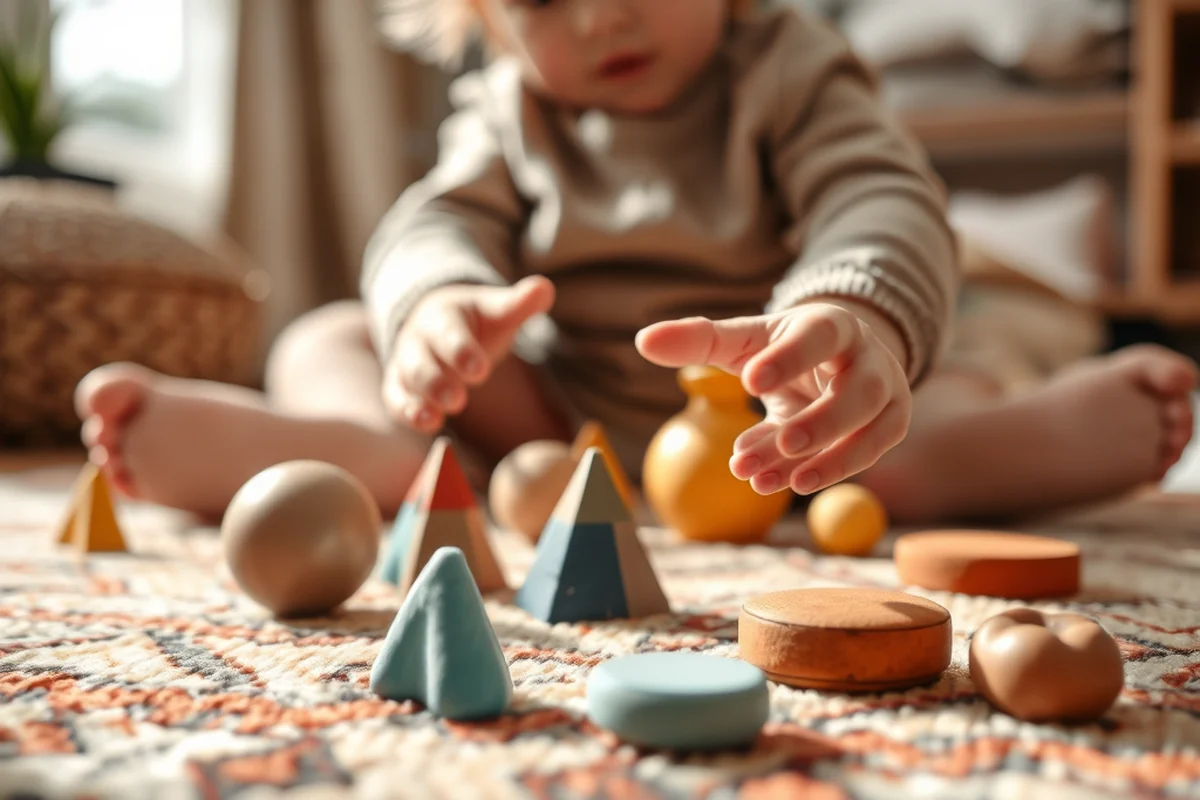
As of September 2026, when I first started exploring screen-free play, I underestimated the power of simple, tactile activities. I bought a few building blocks, some art supplies and a couple of books, and watched my daughter create entire worlds with them. The magic wasn’t just in the activities, but in the way they engaged her senses and kept her fully present.
One of the most surprising discoveries was how quickly she moved from one activity to another, often inventing her own games. We built forts with blankets, painted with fingers and played pretend with the same set of blocks for hours. It reminded me that children don’t need elaborate setups—they just need the right tools and a little freedom.
What I learned was that hands-on play isn’t just for children. It brought us closer together, sparking conversations, laughter and shared moments that we wouldn’t have had otherwise. It was a revelation that screen-free time could be just as, if not more, engaging.
Start with a few versatile toys or materials. Blocks, paper, crayons and fabric can spark endless creativity and learning.
Part of our Screen free activities indoor rainy day ideas guide.
Building a Screen-Free Routine
When we first tried to transition to a screen-free lifestyle, it felt a bit chaotic. I had to rethink how we spent our days, especially since our daughter had become so used to screens. I started by setting aside specific times for screen-free activities, like after dinner and on weekends.
We used a visual schedule to help her understand what was happening each day. It included things like art time, reading, cooking (yes, even that), and physical play. The structure helped reduce resistance and made the new routine feel more predictable and enjoyable.
Over time, we noticed that our daughter was more engaged and had more energy. The routine also gave us a chance to spend quality time together, which was something we hadn’t realized we were missing.
Routines give structure, but creativity gives life.
Related: Screen free activities indoor examples
Creative Problem-Solving with Play
One of the most valuable aspects of screen-free activities is the way they encourage creative problem-solving. I remember watching my daughter try to build a bridge with blocks and then figure out how to balance them. She didn’t just build a bridge—she solved the problem of how to make it stable.
These kinds of activities teach kids to think critically, experiment and adapt. I’ve noticed that she’s more confident when she faces new challenges, both in play and in real life. It’s like she’s learning to be resilient and curious without even realizing it.
The most rewarding part is seeing her light up when she finds a solution. It’s a powerful reminder that the best learning happens when kids are allowed to explore and make mistakes in a safe environment.
Let children experiment with different solutions. Even if they fail, it's a learning opportunity. Praise their effort, not just the outcome.
“I remember the first time my daughter looked up from her tablet, eyes wide, and said, 'Can we do something else?' It was a quiet…”— Screenlesshome editors
Related: Screen free activities indoor printable
Screen-Free Time for Older Kids

When our daughter turned five, I worried that the screen-free activities we had used for younger kids wouldn’t work for her anymore. But I was wrong. She thrived on new challenges like puzzles, strategy games and science experiments. We even started a small garden on our windowsill, which became a favorite activity.
These activities weren’t just fun—they helped her develop skills like critical thinking, patience and creativity. She began asking more questions and showing interest in learning about the world around her.
I realized that screen-free time doesn’t have to be boring or infantilizing. It can be just as stimulating and meaningful for older kids, as long as the activities are challenging and engaging.
Related: Budget screen free activities rainy
The Long-Term Benefits of Screen-Free Time
After several months of consistently using the screen-free activities checklist, I noticed a significant shift in our family dynamic. Our daughter was more focused, more curious and more willing to try new things. She also started speaking more and engaging with others in more meaningful ways.
The biggest change was in the way we communicated. Screen-free time forced us to talk more, listen more and truly connect with each other. It was like we had rediscovered a part of our relationship that had been missing.
I’ve since noticed that she’s more patient, more imaginative and more in tune with her emotions. It’s not just about what she’s learning—it’s about who she’s becoming.
🧶 Gentle Shift
Start slowly, replacing just one screen activity with a screen-free one. This approach is ideal for families who are new to the idea.
⚡ Fast-Track
Make a complete switch in one go. This is best for families who are ready for a bigger change and have a supportive environment.
🧳 Travel/away-from-home
Pack a few screen-free toys and books to take with you. This variation is perfect for parents who are often on the go or traveling.
👶 Multiples
Use activities that can be enjoyed by multiple children at the same time, such as group games or shared art projects.
🔄 Regression Reset
Use the checklist to help children who are going through a developmental or emotional reset. This variation is ideal for kids who are struggling with transitions.
| The mistake | Why it happens | The fix |
|---|---|---|
| Forcing too many activities at once | Children can become overwhelmed and resistant if they’re given too much at once, which can lead to frustration and disinterest. | Start with a few activities and gradually add more as your child becomes comfortable. |
| Ignoring your child’s interests | If the activities aren’t aligned with your child’s interests, they may not engage with them, making the screen-free time feel like a chore. | Ask your child what they enjoy and tailor the activities around their preferences. |
| Not being involved | Children may not want to participate if they feel it’s an activity they have to do alone, which can reduce the effectiveness of the screen-free time. | Make sure to be present and participate in the activities. This helps build connection and makes the time more enjoyable. |
| Not being consistent | Inconsistency can lead to confusion and a lack of structure, making it harder for your child to adapt to the screen-free routine. | Set a regular schedule and stick to it, even on busy or chaotic days. |
Related: Budget screen free activities indoor rainy day ideas
Screen-free Activities Indoor Checklist
Related: Best screen free activities indoor
Cultivating Mindfulness Through Screen-Free Indoor Time
I've found that introducing mindfulness practices during screen-free time has been a game-changer for my kids. We start each day with a 10-minute breathing exercise, sitting on the floor with our legs crossed and hands on our knees. I guide them through deep inhales and slow exhales, and after a few rounds, they often ask if we can do it again. This simple ritual has helped them become more aware of their emotions and has calmed their restless energy. I've noticed a decrease in tantrums and an increase in patience.
One of the best ways I've incorporated mindfulness into our daily routine is by using a sensory bin filled with items like dried beans, rice, and small wooden blocks. I ask my kids to close their eyes, put their hands into the bin, and describe what they feel. This exercise helps them focus on the present and develop a deeper connection with their senses. I've seen a significant improvement in their ability to stay calm and centered, especially when they're stressed or frustrated.
I also incorporate mindfulness into mealtime by encouraging my kids to describe the colors, textures, and smells of their food. It’s amazing how this practice transforms a regular meal into a moment of gratitude and presence. I've found that these small, intentional practices have had a lasting impact on my children’s emotional well-being and have helped them build resilience in a world that often feels overwhelming.
Screen-Free Indoor Learning Through Nature-Inspired Crafts
I’ve discovered that using natural materials like leaves, twigs, and stones for indoor crafts is not only engaging but also educational. One of my favorite activities is making leaf collages with my kids, where we gather leaves from our backyard and glue them onto cardboard. I’ve noticed that this activity helps my children develop an appreciation for nature and teaches them about different leaf shapes and textures. I often set a timer for 30 minutes and use that time to talk about the science behind photosynthesis and the importance of forests for our planet.
Another craft I've loved doing with my kids is creating stone paintings. I buy small, smooth river stones and provide them with watercolors and brushes. This activity has become a favorite during rainy days, and it’s amazing to see how focused my children get when they're painting. I’ve noticed an improvement in their fine motor skills and hand-eye coordination, which has been a bonus. I also use this time to teach them about color mixing and the properties of different pigments.
I also enjoy making bird feeders using pinecones, peanut butter, and birdseed. This project is not only fun but also a great way to teach my kids about wildlife and the importance of providing food for birds during the colder months. I’ve found that these hands-on, nature-based crafts are not only a screen-free way to keep my kids entertained but also a meaningful way to teach them about the world around them and foster a sense of responsibility toward the environment.
Common Questions
How can I get my child to participate in screen-free activities?
What if my child doesn’t like any of the screen-free activities?
How long should we do screen-free time each day?
Can screen-free time help with screen addiction?
References
- A c t i v e E a r l y - Wisconsin Department of Health Services (dhs.wisconsin.gov)
Cite this guide
Screenlesshome (2026). Screen-free Activities Indoor Checklist. https://screenlesshome.com/screen-free-activities-indoor-checklist/
Feel free to cite or share this guide.