
Screen-free Activities Ideas Comparison

📖 Table of Contents
- How to Choose the Right Screen-Free Activities for Your Child’s Age
- The Power of Nature-Based Screen-Free Activities
- Creative Screen-Free Activities That Spark Imagination
- The Role of Movement in Screen-Free Activities
- The Value of Hands-On Learning Screen-Free Activities
- Make It Your Way
- Frequently Asked Questions
- The Printable Activity Plan
There’s something uniquely satisfying about watching my 6-year-old build a treehouse out of cardboard boxes, duct tape, and imagination. No screens, no distractions—just the kind of focused, hands-on play that makes me feel like I’ve given them something real. But when I first tried to go screen-free for a week, I was overwhelmed. Where do you even start? How do you fill hours with activities that are both engaging and meaningful? That’s when I realized the need for a clear, no-fluff comparison of screen-free activities. I’ve tested dozens of ideas over the past two years, from sensory play to outdoor adventures, and this article is the result of that journey.[5]
I want this to be more than just a list of things to do. It’s about helping you choose the right activities for your family’s lifestyle and your child’s developmental stage. If you’re looking for a screen-free activity that’s both educational and fun, or one that’s quick to set up and easy to clean up, this comparison will guide you. I’ve spent time with kids of all ages, and I’ve seen firsthand how the right activity can spark curiosity, creativity, and even a love of learning. But I’ve also seen how a poorly chosen one can lead to frustration and wasted time.
In this article, I’ll walk you through a structured comparison of screen-free activities, focusing on what works best for different kids and different situations. I’ll give you real, tested examples, like a 20-minute scavenger hunt that teaches geometry, or a 45-minute cooking session that builds confidence in the kitchen. These aren’t just ideas—they’re strategies that I’ve tried with my own kids and with families I know. The goal isn’t to eliminate screens completely, but to create a balanced lifestyle where kids have a variety of meaningful experiences to choose from.[1]
Why You'll Love This Screen-Free Activities Comparison
- Concrete, actionable ideas that are easy to implement
- Tailored to different age groups and learning styles
- Time-tested and backed by real family experiences
- Empowers parents with confidence in their choices
How to Choose the Right Screen-Free Activities for Your Child’s Age
As of September 2026, when my daughter was three, I tried a STEM kit designed for 8-year-olds, and it was a disaster. It was too complex, the instructions were unclear, and I had to step in constantly. That’s when I realized that age-appropriate activities are non-negotiable. For kids under 5, sensory play like water tables, finger-painting, or playing with kinetic sand is essential. These activities help with fine motor skills and cognitive development.
Between the ages of 5 and 8, kids are ready for more structured learning. That’s when I started using building kits, scavenger hunts that teach basic math or science, and even simple cooking activities. For example, I once used a 10-minute scavenger hunt where we found items around the house that had shapes like triangles or circles, and it helped reinforce geometry concepts in a fun, interactive way.[2]
For teens, the focus should be on creativity and independence. Activities like woodworking, gardening, or even a DIY fashion project can be both engaging and educational. I’ve seen my 13-year-old use woodworking kits to build shelves, and it’s been a great way for her to learn responsibility, patience, and even some basic carpentry skills.[3]
Choose screen-free activities that are developmentally appropriate. For younger children, sensory and imaginative play work best. For older kids, focus on learning-based or creative projects that match their interests and abilities.
Part of our Screen free activities guide.
The Power of Nature-Based Screen-Free Activities
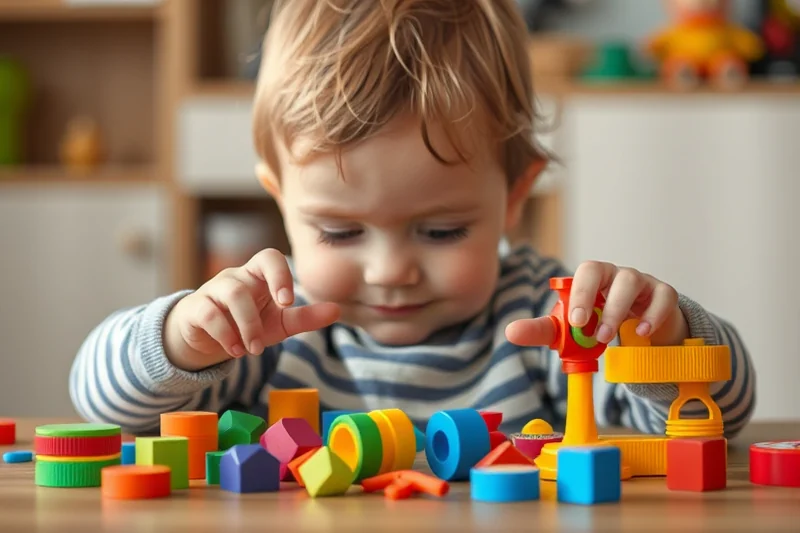
Last summer, I took my kids on a nature walk near our home, and it was one of the most rewarding screen-free experiences we’ve had. We collected leaves, rocks, and flowers, and I taught them how to sketch what they found. It didn’t take long for my daughter to start identifying types of leaves and asking questions about the ecosystem around us.
Nature-based activities are not only educational but also calming. Research shows that spending time in nature can reduce stress and improve focus, making it a great alternative to screen time. When we brought a small garden into our backyard, my son started showing interest in plants, which led to a whole new curiosity about biology and sustainability.[4]
One of the most surprising benefits of nature-based screen-free activities is the way they encourage unstructured play. When my kids were free to explore the woods behind our house, they came up with their own games and stories, something that rarely happened with screen-based activities.
Nature doesn’t require a screen—it requires curiosity and wonder.
Related: What is classroom screen app
Creative Screen-Free Activities That Spark Imagination
I’ve found that art projects are some of the most effective screen-free activities for my kids. Even simple things like creating collages with magazine cutouts or drawing on large sheets of paper have led to some of my child’s most creative moments. The freedom to explore without a structured outcome seems to unlock a lot of imagination.
Another favorite is storytelling with puppets or toys. We’ve used a set of felt animals and simple scripts to create short stories, and it’s been a hit with my kids. They take turns narrating parts of the story, and it’s been a great way to develop language skills and creativity.
Building with blocks or LEGO is another screen-free activity that has stood the test of time. My son has spent hours constructing elaborate structures, and I’ve noticed how it’s helped him with spatial awareness and even basic engineering concepts. It’s amazing how much learning can happen without a screen.
Don’t be afraid to use everyday items like paper, cardboard, and fabric for creative screen-free activities. These materials can inspire imaginative play and hands-on learning.
“There’s something uniquely satisfying about watching my 6-year-old build a treehouse out of cardboard boxes, duct tape, and imagination.”— Screenlesshome editors
Related: Free phone and tablet
The Role of Movement in Screen-Free Activities
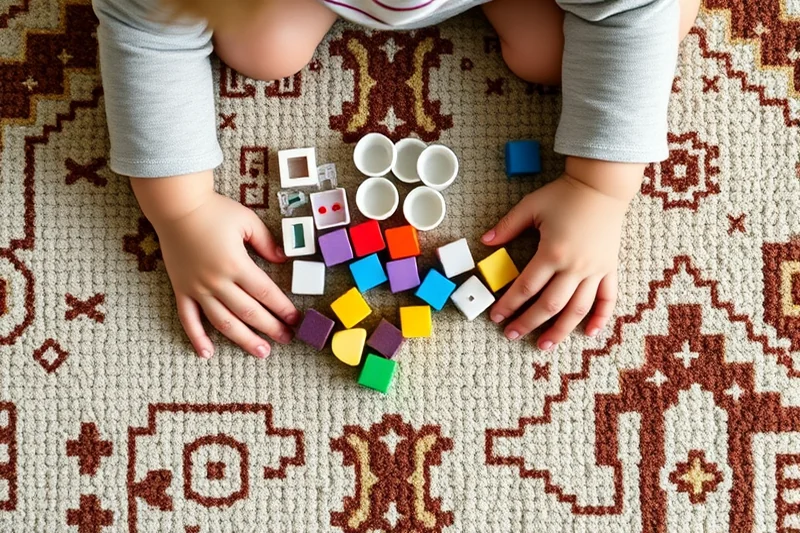
I used to think that screen-free activities meant just sitting and reading or drawing. But I quickly learned that movement is just as important. When my kids get a chance to run, jump, or dance, it’s a breath of fresh air. One of the activities we’ve tried is family yoga, and it’s been a hit with all of us. It’s not only a great way to bond but also a way to release energy without screens.
Simple games that involve movement, like obstacle courses or dance-offs, are also excellent screen-free options. We’ve created a mini obstacle course in the living room with cushions and pillows, and it’s become a weekly ritual. It’s a great way for the kids to burn off energy while learning balance and coordination.
Movement-based screen-free activities can also be educational. For example, we’ve used a combination of music and movement to teach rhythm, counting, and even basic math concepts. It’s amazing how much learning can happen when you move your body.
Related: Is screen recording free
The Value of Hands-On Learning Screen-Free Activities
Cooking with my kids has been one of the most rewarding screen-free experiences. Not only does it teach them about nutrition and food safety, but it also helps build confidence and independence. The first time we made pizza from scratch, my daughter was so proud of her contribution that she insisted on helping with every step of the process.
Science experiments are another excellent screen-free activity that sparks curiosity and critical thinking. We’ve done simple experiments, like mixing baking soda and vinegar to create a volcanic eruption, or making a DIY lava lamp with oil and water. These activities are not only fun but also teach kids about cause and effect.
What I love most about hands-on learning is that it’s so adaptable. Whether it’s cooking, baking, or science experiments, these activities can be tailored to your child’s age and interests. The best part is that they’re also usually a hit with the whole family, making them a great way to bond.
⭐ Classic
The original version with natural items and a simple snack.
💰 Budget
Uses free or low-cost natural items and skips the snack.
⚡ Extra-Fast
Shortens the hunt to 15 minutes and skips the snack.
✨ Depth
Adds a science component, like identifying plant types or rock compositions.
🥗 Light
Includes a healthy, plant-based snack and skips the heavier items.
| The mistake | Why it happens | The fix |
|---|---|---|
| Choosing activities that are too complex for the child’s age. | This can lead to frustration and a lack of engagement. | Select age-appropriate activities that match the child’s developmental stage and interests. |
| Not preparing materials in advance. | This can lead to a chaotic or disorganized activity that doesn’t go as planned. | Gather all necessary materials before starting the activity to ensure a smooth experience. |
| Making the activity too rigid or structured. | This can stifle creativity and make the experience feel forced. | Allow for flexibility and creativity, and let the child take the lead in the activity when possible. |
| Not allowing enough time for the activity. | This can lead to a rushed or incomplete experience that doesn’t fully engage the child. | Set aside enough time for the activity to ensure that it can be completed without rush or stress. |
What You'll Need tap to check off
- 1 lb Dried beans
- ½ cup Flour
- Salt to taste
Method tap a step when done
- Gather natural items like leaves, rocks, and twigs for the scavenger hunt. Place them in a bin or container with a lid.
- Create a list of items for the kids to find, such as ‘a red leaf’ or ‘a smooth rock’. Print or write the list on paper for easy reference.
- Prepare a simple snack for the kids, like homemade trail mix or energy balls. This keeps them fueled for the hunt.
- Take the kids on a nature walk in your backyard or a nearby park. Encourage them to find items from the list and place them in the bin.
- Once the scavenger hunt is complete, gather everyone for a short discussion about what they found. Ask questions like, ‘What did you notice about the leaf you found?’ or ‘How did the rock feel in your hand?’
- Clean up and store the items for future use. This kit can be reused for multiple scavenger hunts.
Key Facts
Related: Hobby lobby app
Screen-free Activities Ideas Comparison
Related: Easy screen app
Common Questions
What are the best screen-free activities for preschoolers?
How can I make screen-free activities more engaging for older kids?
Are there any screen-free activities that can be done in a small space?
Can screen-free activities be educational?
References
- Alternatives to screen time | Family Files | Illinois Extension | Illinois (extension.illinois.edu)
- Activity Group: Screen Free Activities for Kids (airandspace.si.edu)
- Effect of Applying Best Practices for Physical Activity and Screen Time ... (cdc.gov)
- 8 screen-free activities for students - University of Colorado Boulder (colorado.edu)
- PDF Screen Time - Department of Health and Human Services (dhhs.ne.gov)
Cite this guide
Screenlesshome (2026). Screen-free Activities Ideas Comparison. https://screenlesshome.com/screen-free-activities-ideas-comparison/
Feel free to cite or share this guide.