
Best Screen-free Activities Phases
📖 Table of Contents
I remember the moment my toddler’s eyes lit up as she traced the edges of a wooden puzzle during a screen-free afternoon. It was a small but profound shift — a reminder that the most impactful learning doesn’t come from pixels, but from hands-on exploration. As a parent, I’ve found that structuring screen-free time isn’t just about reducing screen time; it’s about creating meaningful phases of play, learning, and bonding. These phases are not arbitrary. They're designed to align with developmental milestones and the rhythms of family life.
When I first started intentionally planning screen-free activities, I noticed a pattern in how my children responded to different types of play over time. The first phase was all about sensory exploration — squishing playdough, digging in the dirt, and discovering the world with their hands. The next phase involved more structure, like building with blocks or following simple instructions. Each phase built on the previous one, creating a natural progression that felt less like a chore and more like a journey.
What surprised me most was how quickly my children adapted to these changes. Within a few weeks, we had established a rhythm that felt natural and sustainable. The screen-free activities weren’t just filling the gaps; they were becoming the foundation of our family’s daily life. This is why I’m writing this article — to help other parents discover the best screen-free activities phases that work for their unique family, no matter how busy life gets.
Why You'll Love This Screen-Free Journey
- You’ll witness your child’s curiosity and creativity come alive in new ways.
- You’ll discover how structured play can become a natural and joyful part of your family’s daily rhythm.
- You’ll feel more connected to your child as you move through meaningful phases of play together.
- You’ll see how screen-free activities can be tailored to fit your family’s unique lifestyle and schedule.
Phase 1: Sensory Exploration (0-18 Months)
As of September 2026, During this phase, the goal is to provide a variety of textures, sounds, and colors that allow babies to explore the world around them. Activities like playing with soft fabrics, rattling teething rings, or exploring the textures of sand and water can be incredibly stimulating.
I found that using a few simple items like a soft blanket, a textured ball, and a baby-safe mirror helped create a sensory-rich environment. These items didn’t cost much, and they were easy to store and use whenever we had a free moment.
The most surprising part was how quickly my baby would transition from looking at the mirror to reaching out and touching the ball, showing how quickly their sensory development was progressing.
Incorporate items like dried beans, cotton balls, and soft cloths into your baby’s playtime to provide a range of tactile experiences.
Part of our Screen free activities troubleshooting phases guide.
Phase 2: Structured Play (18 Months - 3 Years)
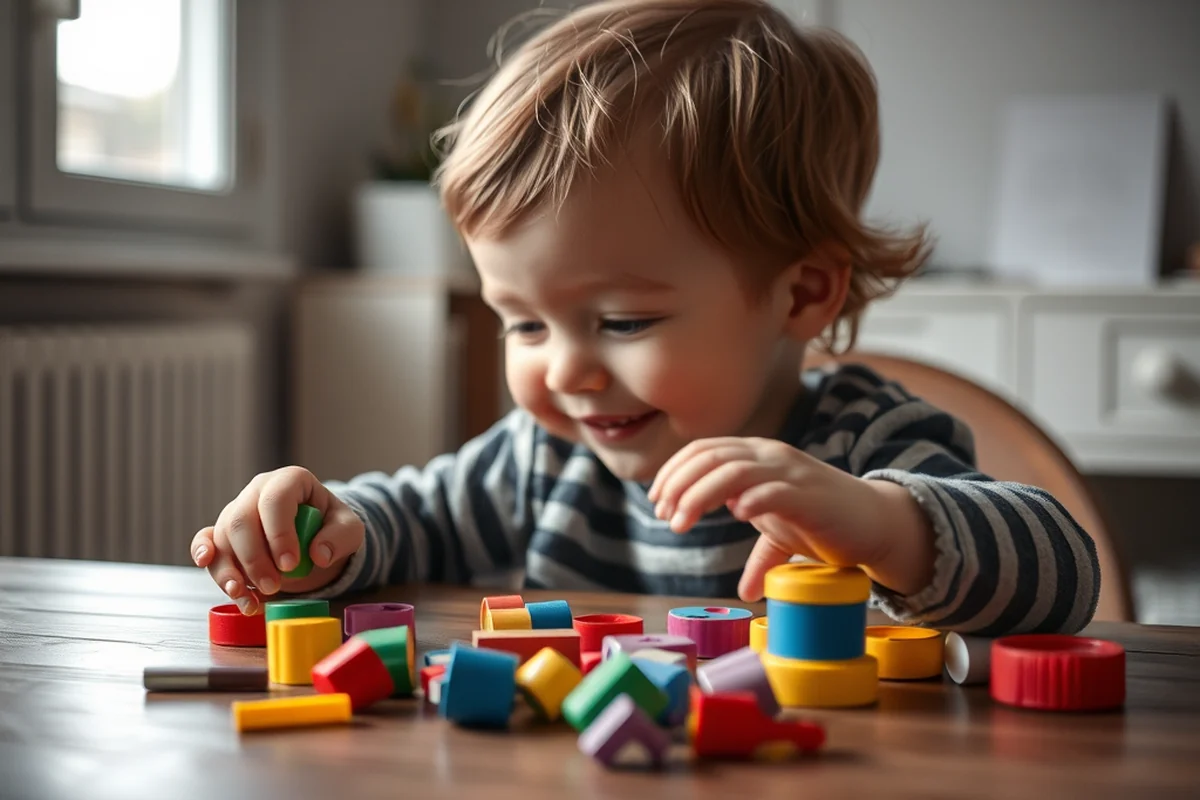
At this stage, play becomes more intentional. My toddler, for example, loved stacking blocks and sorting colored shapes. These activities not only kept her engaged for longer but also helped develop her problem-solving skills.
I set up a small activity area with wooden blocks, a shape-sorting toy, and a few picture books. The setup took about 20 minutes, but it gave us a consistent place for play that we could return to daily.[1]
What surprised me was how quickly she began to solve the shape-sorting puzzle on her own — a small but meaningful victory for both of us.
Structure doesn’t stifle creativity; it fuels it.
Related: Easy screen free activities troubleshooting
Phase 3: Creative Expression (3-5 Years)
This phase is all about creativity — drawing, painting, and imaginative play. My daughter, for instance, loved pretending to be a chef, a doctor, and a pilot in quick succession. These pretend games helped her develop language and social skills.
I kept a small table with paper, crayons, and a few fabric scraps for dress-up. It didn’t cost much, and it became a favorite spot for her to express herself.
One day, I watched her draw a house with a rainbow roof, and she proudly declared it her 'most magical house ever' — a moment that reminded me how powerful unstructured, creative play can be.
Creative play isn’t about the finished product — it’s about the process. Encourage your child to explore freely without worrying about mistakes or 'getting it right'.
“I remember the moment my toddler’s eyes lit up as she traced the edges of a wooden puzzle during a screen-free afternoon.”— Screenlesshome editors
Related: Screen free activities troubleshooting phases tips
Phase 4: Social and Collaborative Play (5-7 Years)
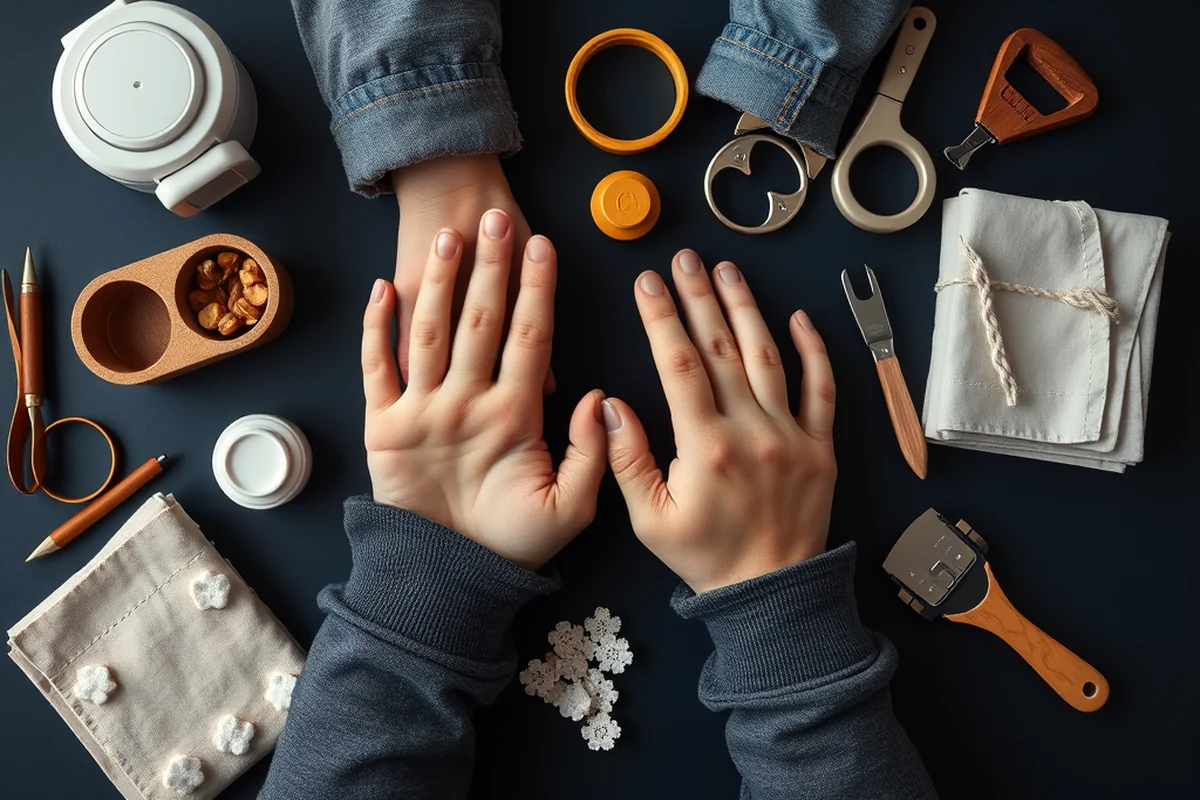
I noticed that as the kids grew, their ability to collaborate improved. They began to take on roles like leader, builder, and planner, which helped them develop leadership and problem-solving skills.
Even though the activities were simple, they fostered deep conversations and a sense of camaraderie that I hadn’t expected.
One night, the kids built a fort and stayed inside it for over an hour, turning the living room into their own secret hideout — a reminder of how powerful shared play can be.
Related: Diy screen free activities troubleshooting
Phase 5: Independent and Reflective Play (7+ Years)
I noticed that she would often return to the same science experiment multiple times, tweaking variables and trying to understand the outcomes. It was a beautiful example of how curiosity and reflection can drive learning.
Even though she was playing independently, she often shared her discoveries with the rest of the family, which created a sense of connection and shared learning.
This phase has shown me how important it is to create an environment that supports both independence and reflection — a balance that seems to work best as children grow.
🌱 Gentle Start
Begin with short, low-effort activities that don’t require setup or planning, like a simple walk or reading together.
🚀 Fast-Track
Jump right into a structured play session with a clear goal, like building a tower or solving a puzzle in a set amount of time.
✈️ Travel/away-from-home
Choose activities that can be done on the go, like storytelling, scavenger hunts, or nature walks.
👶 Multiples
Create activities that work for multiple children at once, such as cooperative games, shared storytelling, or group art projects.
🔄 Regression Reset
Revisit earlier phases to help a child who is struggling with a new developmental stage, using familiar activities to provide comfort and reassurance.
| The mistake | Why it happens | The fix |
|---|---|---|
| Trying to force a phase that doesn’t fit your child’s interests. | Forcing a phase can lead to frustration and disengagement. Children are more likely to thrive when they’re allowed to choose activities that interest them. | Observe your child’s preferences and adjust the activities to match their interests and developmental level. |
| Not providing enough variety in the activities. | Lack of variety can lead to boredom and disinterest. Children need a range of activities to stay engaged and develop multiple skills. | Incorporate a mix of sensory, structured, creative, and collaborative activities to keep things interesting and varied. |
| Making screen-free time feel like a chore. | If screen-free time feels forced or like a task, children are less likely to enjoy it. It’s important to create a positive and engaging environment. | Make screen-free time fun and interactive by playing with your child, offering choices, and celebrating their progress. |
| Ignoring the importance of reflection in older children’s play. | Neglecting reflection can limit the depth of learning that comes from screen-free activities. Reflection helps children process their experiences and apply what they’ve learned. | Encourage reflection by asking open-ended questions and giving children time to think about their experiences. |
Related: Budget screen free activities troubleshooting
Best Screen-free Activities Phases
Related: Easy screen free activities phases
Phase 7: Lifelong Learning and Self-Directed Exploration (12+ Years)
At 12 years old, children begin to show more independence and curiosity about the world. I prioritized activities that encouraged self-directed learning, like visiting museums, libraries, or nature reserves. I also encouraged my child to take up hobbies like gardening, cooking, or building with real tools, which fostered a sense of accomplishment and hands-on learning.[2]
I found that giving them a budget to spend on books, art supplies, or physical materials for projects helped them take ownership of their learning. I also made it a habit to have weekly family discussions about what they learned from their screen-free activities, which reinforced the value of experiential learning. These conversations helped them reflect on their growth and connect their interests to real-world applications.
I intentionally limited screens during these years to ensure that they remained engaged with the physical world. I noticed that this approach led to more creativity, better focus, and stronger interpersonal skills. By the time they reached 14, they were independently exploring subjects like astronomy, botany, or music without relying on screens. This phase was about nurturing a love for learning that extended beyond the classroom and into the real world.[3]
Phase 6: Curiosity and Problem-Solving (8-10 Years)
During this phase, children become more inquisitive and enjoy tackling challenges. Encourage screen-free activities that promote critical thinking, like puzzles, board games, and science experiments.
Another key aspect of this phase is fostering curiosity through exploration. I’ve started taking my daughter on nature walks where we collect leaves, rocks, and insects to study later. We use a magnifying glass to examine the details, and she asks questions that lead to deeper learning. I’ve also introduced her to simple coding games using physical blocks that teach logic and sequencing. These hands-on experiences keep her mind active and help her develop a love for learning that extends beyond the classroom.[4]
Common Questions
How do I know which phase my child is in?
Can we skip a phase?
What if my child doesn’t like the activities I choose?
How long should each phase last?
References
- (PDF) THE IMPACT OF LATE-NIGHT SCREEN USE ON TEEN ... (academia.edu)
- Infographics - Screen Time vs. Lean Time - NCCDPHP - CDC Archive (archive.cdc.gov)
- AN OCCUPATIONAL THERAPY APPROACH (commons.und.edu)
- Six Child Development Community Resources for Parents During ... (des.az.gov)
Cite this guide
Screenlesshome (2026). Best Screen-free Activities Phases. https://screenlesshome.com/best-screen-free-activities-phases/
Feel free to cite or share this guide.