
Diy Screen-free Activities Indoor
📖 Table of Contents
I remember the first time my daughter looked up from a screen and said, 'Mom, I don’t know what to do with my hands.' It was a jarring moment. It sparked a shift in our family’s routine. We began to explore screen-free indoor activities that not only kept her engaged but also made her happier and more curious. These activities didn’t just fill time — they built skills, strengthened our bond, and gave us a sense of purpose that no app could replicate.
As parents, we often find ourselves caught between the convenience of digital entertainment and the need to give our kids meaningful, hands-on experiences. It’s not always easy to resist the pull of screens, especially when they promise instant engagement and quiet. But over the past few months, we’ve discovered that crafting a screen-free indoor world for our children doesn’t require expensive tools or hours of planning. It requires intention, creativity, and the belief that there’s magic in the everyday.[1]
In this article, I’ll share a range of DIY screen-free indoor activities that I’ve tested with my own kids and that have been tried and true by families across the country. These activities are not just about filling time — they’re about teaching, inspiring, and connecting. Whether you’re looking for something gentle and calming or a fast-paced, high-energy challenge, I’ve got a plan that works for you and your family.[2]
Why You'll Love This Screen-Free Indoor Activity Guide
- It helps kids develop creativity and problem-solving skills without the distractions of screens.
- It strengthens family bonds through hands-on, collaborative fun.
- It’s affordable and accessible — no special tools or equipment required.
- It encourages physical movement and mindfulness, even indoors.
Building a cardboard city
As of September 2026, one of the first DIY activities we tried was building a cardboard city. We gathered boxes from the recycling bin and set up a space on the floor with markers, scissors, and tape. My daughter immediately got to work, cutting and pasting to create buildings, roads, and even a small park.
We didn’t have any special tools — just a box cutter and some duct tape. In under an hour, we had a full city layout that included everything from a grocery store to a castle. The best part? She kept adding new structures for days afterward, which was a surprise even to me.
This activity is not only fun but also a great way to teach kids about spatial awareness and engineering basics. It’s amazing to see how much creativity can come from something as simple as a cardboard box.
Add textures like fabric scraps, paper towel rolls, or even bottle caps to make the city more interactive and tactile for your child.
Part of our Screen free activities indoor rainy day ideas guide.
Indoor scavenger hunt

Another favorite activity is an indoor scavenger hunt. We create a list of items that can be found around the house, like a spoon, a book, or a green sock. The kids race to find each item and check it off the list as they go.
We’ve found that the best scavenger hunts involve a mix of common and unusual items. For example, one time we asked them to find something that was both round and soft — they found a ball and a cushion. This type of thinking helps develop creativity and attention to detail.
The hunt usually takes about 15 to 20 minutes, but it’s a great way to get kids moving and thinking. It’s also a fun way to bond with your child while you’re both exploring your home together.[3]
A scavenger hunt makes the ordinary feel like an adventure.
Related: Easy screen free activities rainy
DIY sensory bins
We filled a large plastic bin with rice, beans, or dried pasta and added small toys, animal figurines, or even buttons for kids to dig through. It’s an instant sensory experience that keeps kids engaged for hours without needing any screens.
One of the best things about this activity is that it can be tailored to your child’s interests. If they love dinosaurs, you can add toy dinosaurs. If they like space, you can add stars and planets. The options are endless.
We’ve found that sensory bins are especially useful for kids who are easily overstimulated or who need a break from more intense activities. They’re also great for teaching kids about textures, colors, and shapes in a tactile way.
Hide small toys or trinkets inside the bin to encourage digging and discovery. This adds an element of surprise and keeps kids engaged for longer.
“I remember the first time my daughter looked up from a screen and said, 'Mom, I don’t know what to do with my hands.' It…”— Screenlesshome editors
Related: Screen free activities indoor checklist
DIY obstacle course
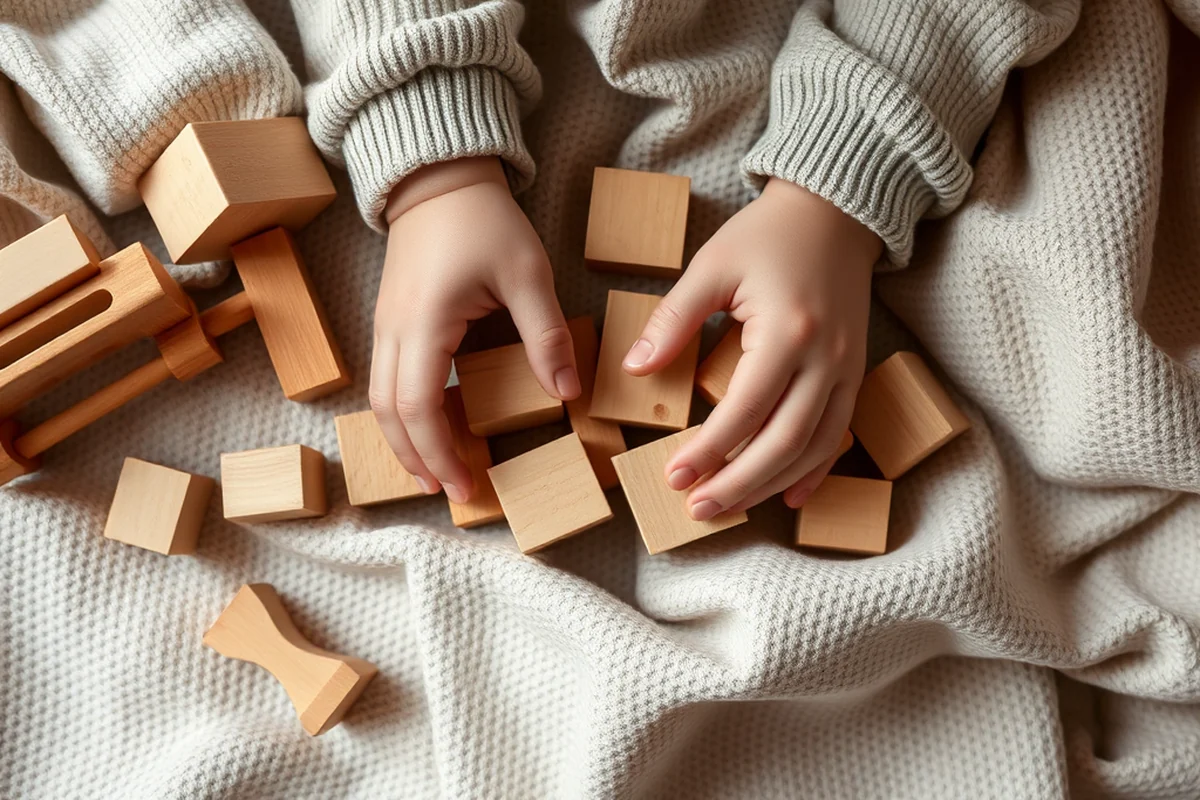
We used pillows, chairs, and blankets to create a mini obstacle course in our living room. The kids had to crawl under a chair, jump over a pillow, and weave through a blanket tunnel. It was like a mini gym in our living room.
We made it simple at first, but as the kids got more confident, we added more challenges. One day, we even included a 'bridge' made from a stack of books that they had to walk over. It was a hit, especially on rainy days.
This activity is a great way to encourage physical activity and coordination. It also helps kids develop problem-solving skills as they figure out the best way to handle the course.
Related: Best screen free activities indoor rainy day ideas
DIY art station
We set up a small table with paper, markers, crayons, glue, and scissors. It’s a simple setup, but it gives kids a space to create and express themselves. We’ve found that even the simplest materials can lead to amazing artwork.
One of the best parts of this activity is that it’s completely open-ended. Kids can draw, color, collage, or even make their own stamps. It’s a great way to let them explore their imagination without any restrictions.
We’ve noticed that kids who spend time at the art station are more focused and calm. It’s also a great way for parents to get involved and see their child’s creative side in a new light.
🧘 Gentle and Calming
A sensory bin with soft textures and calm colors for kids who need a soothing activity.
⚡ Fast-Track Challenge
A quick scavenger hunt with high-energy items and a short time limit for instant fun.
🧳 Travel/On-the-Go
A DIY art station that can be set up in a hotel room with just a few portable supplies.
👨👩👧👦 Multiple Kids
A cardboard city that includes multiple levels and can be built by several kids at once.
🔄 Regression Reset
An indoor obstacle course that helps kids refocus and re-engage with physical activity after a difficult day.
| The mistake | Why it happens | The fix |
|---|---|---|
| Using too many materials at once | This can overwhelm the child and make the activity feel chaotic instead of engaging. | Start with a small number of materials and gradually add more as the child becomes more comfortable. |
| Not supervising closely enough | Some materials, like scissors or small items, can be dangerous if left unsupervised. | Always be nearby and ready to assist or intervene if needed. |
| Making the activity too rigid | This can discourage creativity and make the child feel like they have to follow strict rules instead of exploring freely. | Let the child take the lead and encourage them to think outside the box. |
| Not adapting to the child’s needs | Every child has different preferences and abilities. A one-size-fits-all approach may not work. | Observe the child and adjust the activity to suit their interests and developmental stage. |
Related: Affordable screen free activities indoor
Diy Screen-free Activities Indoor
Related: Affordable screen free activities indoor rainy day ideas
Indoor Gardening with Kids
Indoor gardening is a rewarding way to teach kids about biology, responsibility, and patience while keeping them screen-free. It’s also a great way to bring a bit of nature into your home, even during the colder months.
I started with small, low-maintenance plants like succulents and herbs, which are easy for children to handle and care for. We used recycled containers like old yogurt cups and mason jars, which made the project both eco-friendly and budget-friendly. The kids loved choosing the plants and decorating the pots with markers and stickers, making it a creative and hands-on activity. It took about 20 minutes to set everything up, and we spent another 15 minutes explaining how plants grow and need water and sunlight.
Creating a Miniature Indoor Theater
A simple way to engage kids with storytelling and creativity is by building a miniature indoor theater using household items.
I once transformed my living room into a makeshift theater using a cardboard box as the stage, old curtains for backdrops, and a couple of chairs for the audience. My kids loved acting out their favorite stories, and it became a weekly ritual. All it took was about 30 minutes and a few supplies I already had at home.
For the props, I used items like paper plates, foam shapes, and fabric scraps. My daughter even made her own costume from old clothes, which made the experience more personal and meaningful. The theater allowed us to explore different roles and scenarios, which helped her with empathy and imagination.
We used a small flashlight to create dramatic lighting effects, and we even recorded our performances on my phone for later viewing. It was a great way to encourage creativity without screens and to spend quality time together. The kids would often ask for new stories, and I found that this activity lasted much longer than any screen-based entertainment.
Common Questions
How long should these screen-free activities last?
What if my child doesn’t seem interested in any of the activities?
Are these activities safe for young children?
Can these activities be done with multiple children?
References
- Congressman Blake Moore Introduces Bill to Protect Parents and ... (blakemoore.house.gov)
- ARTICLE: Children's Pastimes and Play in Sixteen Nations (files.eric.ed.gov)
- A c t i v e E a r l y - Wisconsin Department of Health Services (dhs.wisconsin.gov)
Cite this guide
Screenlesshome (2026). Diy Screen-free Activities Indoor. https://screenlesshome.com/diy-screen-free-activities-indoor/
Feel free to cite or share this guide.