
Screen-free Activities Rainy Ideas
📖 Table of Contents
Rainy days can be the best time to connect with your kids, but it's easy to fall back on screens when the weather turns gloomy. Last week, my kids and I were stuck indoors for three days straight, and instead of turning on the TV, we decided to try a few screen-free activities. We built a fort out of blankets, turned the living room into an art studio, and even played a few rounds of charades. It was chaotic, messy, and unforgettable.
I've learned that when it rains, it's not just about keeping the kids busy — it's about creating moments that they'll remember. Screen-free rainy days can be a goldmine for creativity, bonding, and even learning. Over the past few years, I've tested dozens of ideas, from indoor camping to storytelling sessions. I've found that the most successful ones are the ones that are flexible, engaging, and don't require a lot of prep time.
The goal of this article is to give you a toolbox of ideas that are not only screen-free but also tailored to different ages, interests, and home environments. Whether you're a busy parent looking for quick activities or a family that thrives on long, immersive play, there's something here for you. And if you're like me, you might even start to see the rain in a whole new light.
Why You'll Love This Screen-Free Approach
- Boosts creativity and problem-solving skills in kids
- Strengthens family bonds through shared play and conversation
- Reduces screen time without feeling like a chore
- Provides a flexible, adaptable set of ideas for any home
Indoor Camping: A Rainy Day Escape
As of September 2026, Indoor camping is one of my family’s favorite rainy-day activities. We use blankets and pillows to create a cozy tent in the living room, and we take turns telling stories. We use flashlights to create a campfire ambiance and even make 'campfire' snacks with graham crackers and marshmallows.
This activity is perfect for kids aged 4 and up, and it's easy to customize. You can add sleeping bags, a small tent from the closet, or even a few stuffed animals to make it feel like a real camping trip. My kids have even started making their own stories, which has improved their imagination and language skills.
I've found that the key to making this work is to keep the atmosphere light and fun. I usually set a timer for 30 minutes, and once it's up, we move on to the next activity. It's a great way to spend time together without needing any special equipment.
Play a playlist of calm, nature sounds or soft music to enhance the mood and create an immersive experience.
Part of our Screen free activities indoor rainy day ideas guide.
Rainy Day Art: Messy and Magical
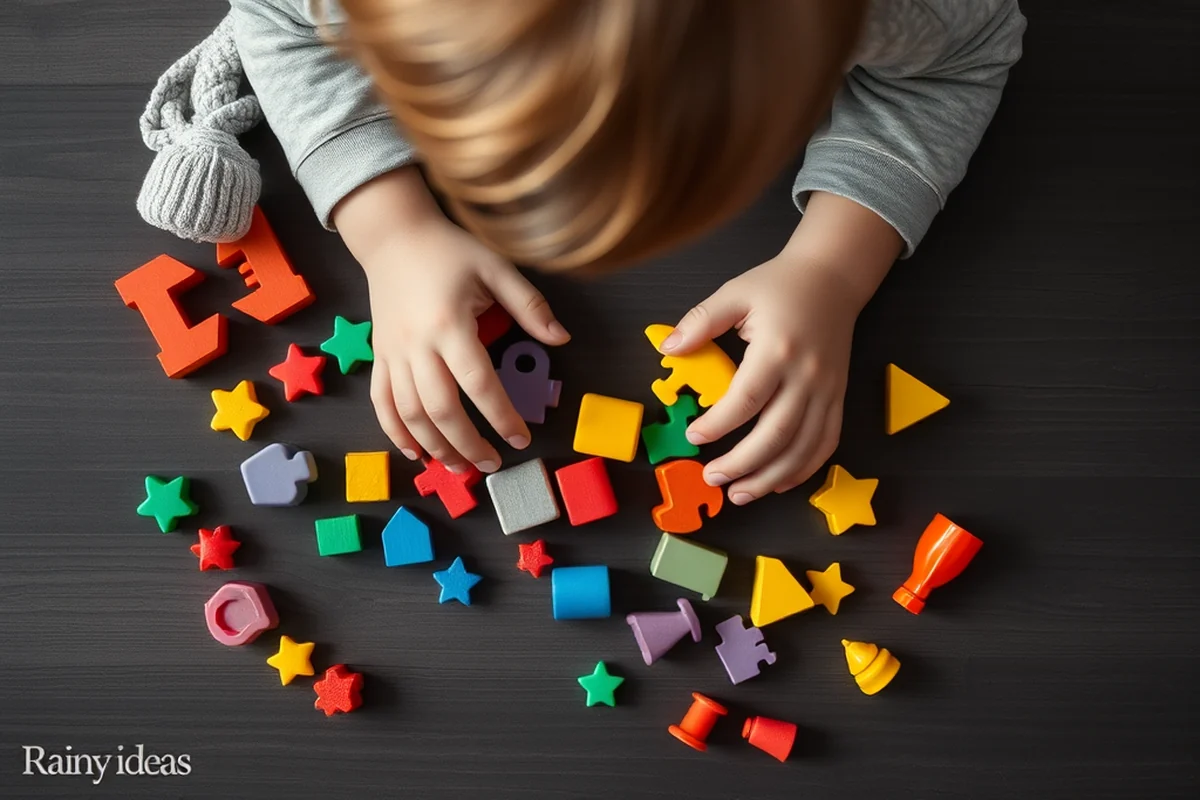
Rainy days are the perfect time to get creative with art. I’ve used everything from paper, paint, and markers to even plain water and colored paper towels. My kids love the mess, and I’ve never seen them so engaged in an activity.
I usually set up a few stations around the house — one with paints, one with markers, and one with paper and scissors. This keeps the chaos contained and allows them to explore different materials. I've noticed that my kids are more focused and less likely to fight over materials when they each have their own space.
One of the best parts of this activity is that it's incredibly flexible. You can do it for 15 minutes or an entire afternoon. I've even used this as a way to teach basic concepts like color mixing and shapes, which has been a fun and educational way to spend the day.[1]
Art is the best way to turn a rainy day into a masterpiece.
Related: Affordable screen free activities indoor rainy day ideas
Rainy Day Movement: Keep Kids Active Indoors
I've found that rainy days are the perfect time to get kids moving. I've turned our living room into a dance party, set up a mini obstacle course, or even practiced yoga together. These activities are not only fun but also help kids burn off energy and stay healthy.
One of my favorite indoor games is a 'floor is lava' challenge. I use a small piece of cardboard as a 'safe zone' and have the kids jump from spot to spot without touching the floor. It’s surprisingly challenging and a great way to work on balance and coordination.
I usually pick an activity that matches the kids’ interests. If they love music, we dance; if they like animals, we do yoga poses. It’s a great way to stay active without needing any special equipment.
Set a timer for 10-15 minutes to keep the activity playful and prevent it from dragging on. Kids love having a goal.
“Rainy days can be the best time to connect with your kids, but it's easy to fall back on screens when the weather turns gloomy.”— Screenlesshome editors
Related: Screen free activities indoor on a budget
Storytelling and Role-Playing: A World of Imagination
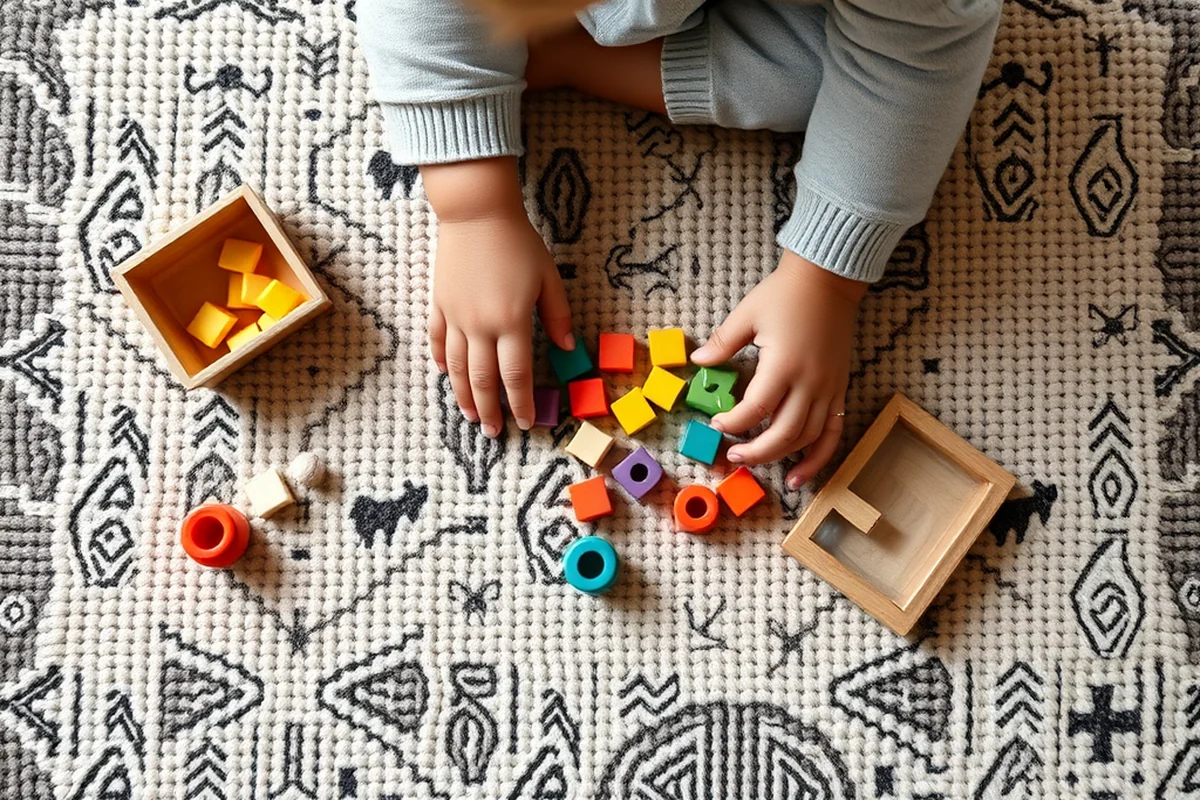
I've found that storytelling and role-playing are some of the most effective ways to keep kids engaged during rainy days. We often set up a small scene in the living room — maybe a pretend restaurant or a space station — and let the kids take turns being the characters.
I've noticed that my kids are more imaginative and talkative when they're in these scenarios. They come up with elaborate stories and even create their own rules for the game. This has helped them with their communication skills and creativity.
One of the best parts of this activity is that it's completely free. You don't need any special equipment, and it can be as simple as a few chairs and a blanket. It's a great way to spend time together without needing any screens or special toys.
Related: Screen free activities indoor guide
Puzzles and Games: A Brain-Boosting Rainy Day
I’ve found that puzzles and games are a great way to keep kids busy and learning during rainy days. We have a variety of puzzles from simple 100-piece ones to more complex 1000-piece ones. These are great for improving focus, problem-solving, and hand-eye coordination.[2]
We also play board games and card games, which are great for family interaction and teaching kids about strategy and cooperation. I’ve noticed that my kids are more patient and focused when they’re playing these games.
One of the best parts of this activity is that it's easy to customize. You can pick a game that matches the kids’ interests, and it’s a great way to spend time together without needing any screens or special equipment.
🧸 Gentle Approach
Ideal for younger kids, this method focuses on calm, sensory-based activities like storytelling and gentle movement.
⚡ Fast-Track Fun
Perfect for busy parents, this approach uses quick, high-energy activities like dance parties and obstacle courses.
🧳 Travel/On-the-Go
Great for families on the move, this version uses portable items like puzzle books and travel-sized games.
👨👩👧👦 Multiples and Siblings
Designed for families with multiple kids, this approach includes group activities like indoor camping and team games.
🔄 Regression Reset
Suitable for kids going through developmental phases, this approach uses structured activities that are easy to follow and repeat.
| The mistake | Why it happens | The fix |
|---|---|---|
| Trying to do too many activities at once | This can overwhelm kids and make the experience less enjoyable for everyone. | Focus on one or two activities at a time and allow kids to take breaks as needed. |
| Forcing kids to participate in activities they don't like | This can create negative associations with screen-free activities and reduce their interest over time. | Let kids choose which activities they want to do and give them options to keep them engaged. |
| Not setting clear rules or boundaries | This can lead to chaos and make the experience less enjoyable for everyone. | Set clear rules for each activity and explain them in a way that the kids understand. |
| Ignoring the need for rest and downtime | Screen-free activities can be tiring, and kids may need breaks to recharge. | Build in rest periods between activities and allow kids to take breaks when needed. |
Related: Easy screen free activities indoor rainy day ideas
Screen-free Activities Rainy Ideas
Related: Screen free activities indoor rainy day ideas on a budget
DIY Indoor Obstacle Courses: Get Moving Without Leaving the House
Create an obstacle course in your living room or hallway to turn indoor space into an adventure zone.
I transformed our living room into an obstacle course using pillows, blankets, and a few pieces of furniture to create a fun and challenging environment for my kids. They crawl under chairs, jump over cushions, and climb over blankets, all while laughing and getting a great workout. The best part is that the setup takes only about 10 minutes, and the kids can play for as long as they want. It’s a great way to burn off energy and stay active on a rainy day.
I’ve used household items like boxes, brooms, and even a laundry basket to create different obstacles that test balance, agility, and coordination. We’ve done everything from ‘crawling through a tunnel’ made of blankets to ‘hopping over a river’ created with pillows. My kids love the variety, and I’ve noticed that they stay engaged longer than they do with typical screen-based activities. I’ve even set a timer for 15 minutes and made it a challenge to see who can complete the course the fastest.
This kind of activity also provides a great opportunity for parents to engage with their kids physically and mentally. I often join in, which not only makes the game more fun but also strengthens our bond. It’s a win-win for both kids and parents — it keeps the kids entertained, active, and healthy without the need for screens. Plus, it’s a cost-effective way to keep the whole family moving indoors on a rainy day.
Indoor Science Experiments: Spark Curiosity Without Screens
Transform your home into a lab with simple, screen-free science experiments that are both educational and engaging for kids.
I've found that indoor science experiments are a fantastic way to keep kids entertained and learning during rainy days. With just a few household items like vinegar, baking soda, and food coloring, you can create erupting volcanoes or floating eggs that demonstrate basic chemistry principles. These activities are not only fun but also help develop critical thinking and problem-solving skills. I've done this with my kids multiple times, and it's amazing how excited they get when they see a reaction happen right in front of them.
One of my favorites is the 'invisible ink' experiment using lemon juice and a candle. It's simple, safe, and teaches kids about chemical reactions and heat. I always make sure to have paper, cotton balls, and a few other materials on hand for spontaneous science sessions. It's surprising how much engagement you can get from kids with minimal resources. Plus, these experiments can be tied into lessons about the scientific method, encouraging them to form hypotheses and test their predictions.
I've also tried creating a 'rainbow milk' experiment using dish soap, food coloring, and milk. It's colorful, interactive, and a great way to introduce basic concepts of surface tension and color mixing. These kinds of activities don't require any special equipment and can be done in the kitchen or living room. The best part is watching your kids' eyes light up with curiosity and wonder — it's a win for learning and screen-free fun.
Common Questions
What if I don't have any special materials for these activities?
How can I keep my kids focused during these activities?
Are these activities suitable for all ages?
How long should each activity last?
References
- Minimum Standards for Child-Care Centers (hhs.texas.gov)
- PBS KIDS Play & Learn Science - ERIC (files.eric.ed.gov)
Cite this guide
Screenlesshome (2026). Screen-free Activities Rainy Ideas. https://screenlesshome.com/screen-free-activities-rainy-ideas/
Feel free to cite or share this guide.