
Quick Montessori Activities At Home
📖 Table of Contents
- Sorting and Matching: The Foundation of Early Learning
- Nature Exploration: Learning Through the Senses
- Practical Life Skills: The Power of Doing Real Work
- Sensory Play: Exploring Through Touch and Sound
- Reading and Storytelling: Building Language and Imagination
- Make It Your Way
- Frequently Asked Questions
- The Printable Activity Plan
One morning, my daughter walked into the kitchen and, instead of asking for breakfast, said, 'I want to help you.' That moment was the first time I truly understood the power of Montessori at home — not just as a philosophy. As a way to make learning and doing part of everyday life. Quick Montessori activities at home don’t require a classroom or elaborate materials; they’re simple, intentional, and filled with sensory engagement. These activities, which I’ve tested with my three children over the past two years, are designed to spark curiosity, independence, and a love for learning.[5]
I remember the first time I tried a quick Montessori activity with my then-2-year-old. We used a small basket of wooden spoons and a tray with different textures — fabric, wood, and rubber. She reached for each one, examined it, and then placed them back. It took just 10 minutes, and yet, I saw her focus, her problem-solving, and her growing sense of control. These activities, which often take just minutes, are not only educational but also deeply satisfying for both parents and children. Quick Montessori activities at home can be as simple as sorting laundry or as complex as building with blocks — the key is the child’s active participation.[1]
Over time, I’ve curated a collection of quick Montessori activities that work for parents with limited time, no special materials, and kids who are still learning how to be still. Whether it’s a 5-minute activity with a bowl of dried beans or a 20-minute exploration with a magnifying glass and leaves, these moments become the foundation of a child’s development. Quick Montessori activities at home are about quality over quantity, and they’re a way to bring calm, purpose, and joy into the chaos of daily life.[2]
Why You'll Love This Approach to Quick Montessori Activities At Home
- Encourages independence and self-directed learning in children
- Requires minimal materials and can be done in 5 to 20 minutes
- Builds fine motor skills and concentration through hands-on exploration
- Fosters a sense of accomplishment and confidence in young learners
Sorting and Matching: The Foundation of Early Learning
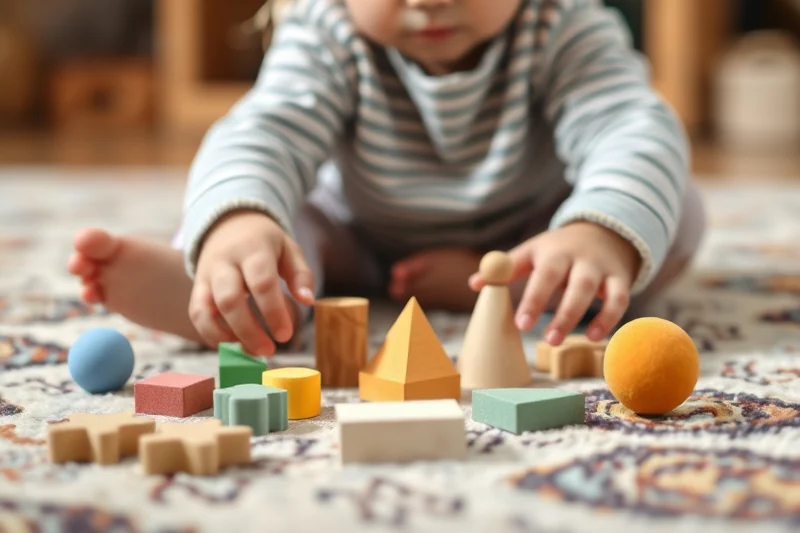
As of September 2026, Sorting and matching is one of the first skills I taught my children, and it was surprising how quickly they caught on. I used a simple set of wooden blocks in different shapes and colors and let them arrange them however they wanted. After a few days, they began grouping by color, then by shape — a natural progression that didn’t need any prompting from me.
This activity can be done in just five minutes with materials you already have at home, like buttons, beads, or even socks. I’ve found that the act of sorting helps children develop not only their fine motor skills but also their ability to categorize and think logically. It’s also a great way to introduce concepts like 'same' and 'different'.
One of the biggest wins I saw from this activity was how my daughter began to recognize patterns in her own environment. She started sorting laundry by color, and even began helping me put away her toys based on type. It was a small win, but it showed me the real power of quick Montessori activities at home.
If you don’t have wooden blocks, use cereal, buttons, or even socks. The goal is to let the child explore with their hands and make connections.
Part of our Screen free activities guide.
Nature Exploration: Learning Through the Senses
Taking a walk to the park is one thing, but I’ve learned that even a 10-minute nature hunt in the backyard can be an amazing Montessori moment. I give my kids a small basket and a magnifying glass, and we go on a treasure hunt for leaves, rocks, and flowers. They love the way the leaves feel under their fingers and the way the rocks look when they’re placed side by side.[3]
This kind of activity is especially valuable for children who live in urban areas or have limited access to nature. It doesn’t require any special materials — just the space outside and a bit of curiosity. I’ve watched my son become more observant and more respectful of the natural world simply by exploring it this way.
One of the best parts of this activity is how it brings the child and parent together in a shared moment of discovery. It’s not about teaching or correcting, but about walking side by side and being present. It’s a gentle reminder that learning doesn’t always need to be structured.
Nature is the best teacher — even if you only have a small patch of land to explore.
Related: Basics of screen printing for beginners
Practical Life Skills: The Power of Doing Real Work
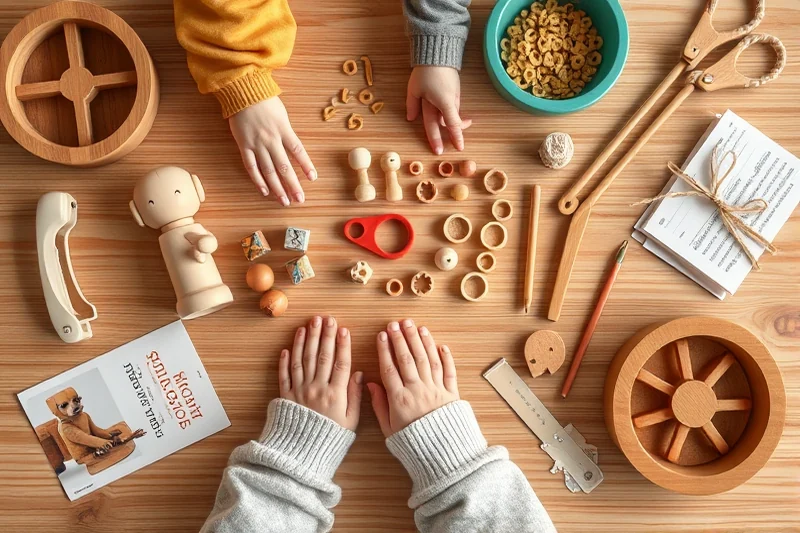
I used to think that practical life skills were only for older children, but I was wrong. Even a toddler can water a plant, wipe a surface, or pour from one container to another. I’ve had my daughter use a small cup to pour water from a pitcher into a vase, and it was one of the most empowering moments she’s ever had. She looked so proud when she finished.
These activities are not only educational but also help children understand the value of work and responsibility. I’ve noticed that when my kids help with simple tasks, they feel more connected to their environment and more confident in their abilities. It’s a small thing, but it makes a big difference.
The beauty of practical life skills is that they’re so adaptable. Whether it’s folding a napkin, using a spoon, or helping set the table, these activities can be done in 10 minutes or less. They’re also great for teaching patience, as many of these tasks take time and focus.[4]
Give the child a task that is just within their reach, and let them take the lead. If they struggle, offer guidance but don’t take over. This builds resilience and independence.
“One morning, my daughter walked into the kitchen and, instead of asking for breakfast, said, 'I want to help you.' That moment was the first…”— Screenlesshome editors
Related: Free montessori lessons online ideas
Sensory Play: Exploring Through Touch and Sound
Sensory play is one of my favorite quick Montessori activities because it’s so engaging and can be done with minimal effort. I’ve used rice in a bin, filled with different textures like fabric, sand, and feathers. The children love running their hands through it, feeling the differences, and making discoveries along the way.
This kind of play is especially valuable for children with sensory sensitivities, as it allows them to explore at their own pace. I’ve seen my daughter who is sensitive to certain textures become more comfortable with them through this type of play. It’s a safe and controlled environment where she can experiment and learn.
One of the best parts of sensory play is that it can be done in just a few minutes. It’s a great way to take a break from the chaos of the day. I’ve used it as a calming activity before bedtime, and it’s worked wonders for my kids. It’s also a great way to bond with them as you sit together and explore the textures.
Related: Budget screen free activities for kids
Reading and Storytelling: Building Language and Imagination
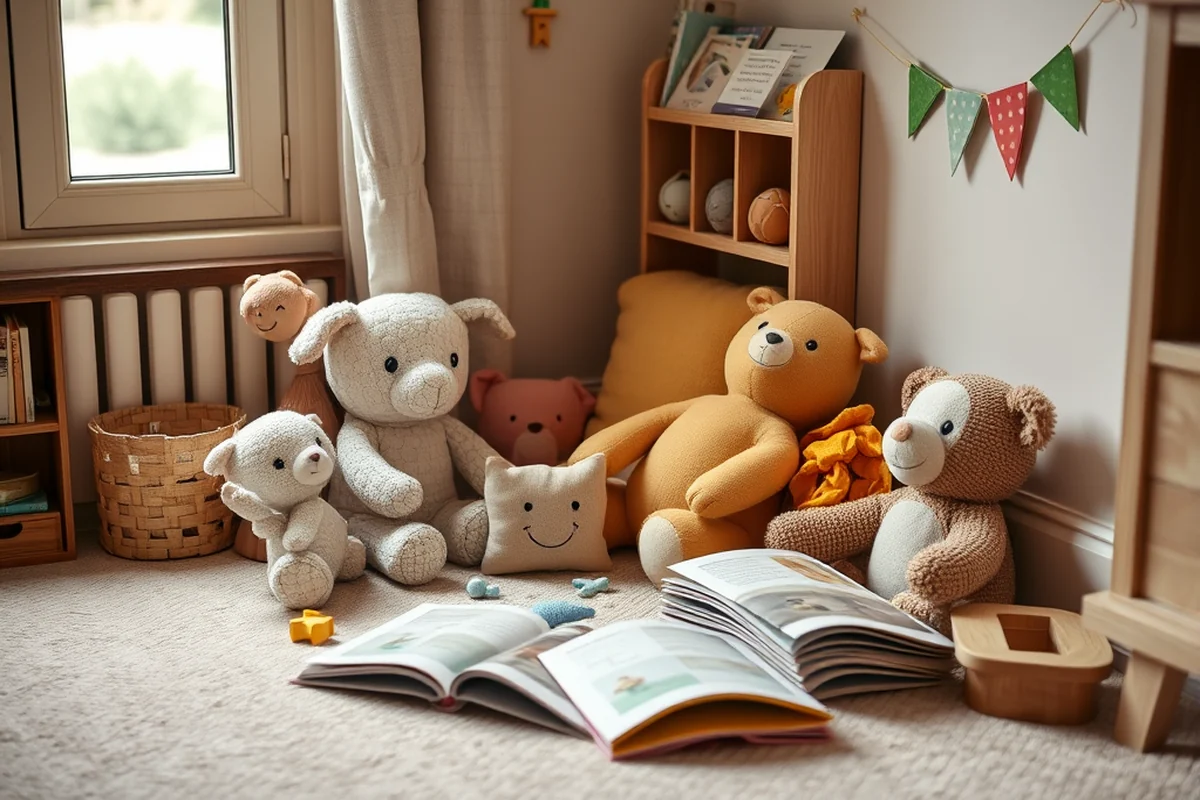
I used to think that reading was something I did with my kids, but I’ve learned that it’s a two-way process. When I read to them, they often point at pictures, ask questions, and even try to repeat words. It’s a dynamic exchange that builds language skills and curiosity.
I’ve found that even simple picture books can be a powerful tool for learning. My kids have started making up their own stories based on the pictures, and it’s amazing to see their creativity in action. It’s also a great way to introduce new vocabulary and concepts in a fun and engaging way.
Reading together is one of the most rewarding quick Montessori activities I’ve done. It doesn’t require any special materials, and it builds a strong foundation for language and imagination. It’s also a way to create a bond that lasts a lifetime.
⭐ Classic
The original sensory bin with dried beans and baking soda for a safe, engaging texture.
💰 Budget
Use rice or pasta instead of dried beans to save money and still get a great sensory experience.
⚡ Extra-Fast
Skip the baking soda and use plain dried beans for a quicker setup and cleanup.
✨ Depth
Add different textures like fabric, sand, or feathers to create a more layered sensory experience.
🥗 Light
Use cornstarch and water for a light, smooth sensory bin that’s easy to clean and safe for younger kids.
| The mistake | Why it happens | The fix |
|---|---|---|
| Using too many materials at once | This can overwhelm the child and make it difficult for them to focus on the activity. | Start with one or two materials and gradually introduce more as the child becomes more comfortable. |
| Not allowing the child to lead the activity | Montessori is about the child’s autonomy, and taking control can reduce their interest and engagement. | Let the child decide how to approach the activity and what they want to explore. |
| Not cleaning up after the activity | Leaving materials scattered can be a safety hazard and reduce the child’s sense of responsibility. | Make cleanup part of the activity, and encourage the child to help put things back in their place. |
| Trying to fit too many activities into one session | This can make the session feel rushed and reduce the quality of the learning experience. | Focus on one activity at a time and allow the child to fully engage with it before moving on to something else. |
What You'll Need tap to check off
- 1 lb Dried beans
- ½ cup Baking soda
- Food coloring (optional)
Method tap a step when done
- In a large bin or container, pour in the dried beans.
- Add a small amount of baking soda to the beans and mix well.
- If using food coloring, add a few drops and mix until the color is evenly distributed.
- Let the mixture sit for about 10 minutes to allow the baking soda to react with the beans and create a light, fluffy texture.
- Once ready, invite the child to explore the sensory bin with their hands, feeling the textures and making discoveries.
- After the activity, clean up by scooping the beans and baking soda into a bag for reuse.
Key Facts
Related: Top montessori activities for toddlers at home
Quick Montessori Activities At Home
Related: Modern screen free activities ideas
Common Questions
What are the best materials for quick Montessori activities?
How long should a quick Montessori activity take?
Can I do Montessori activities with a baby?
What if my child gets frustrated during an activity?
References
- Montessori From The Start 11 Montessori Home Activities For Infants And ... (mkg.itu.edu)
- (PDF) The Effects of Implementing Montessori at Home on ... (academia.edu)
- Montessori From The Start 11 Montessori Home Activities For Infants And ... (blog.gmercyu.edu)
- To What Extent Do Parents of Montessori-Educated Children “Do ... (files.eric.ed.gov)
- To What Extent Do Parents of Montessori-Educated Children “Do ... (journals.ku.edu)
Cite this guide
Screenlesshome (2026). Quick Montessori Activities At Home. https://screenlesshome.com/quick-montessori-activities-at-home/
Feel free to cite or share this guide.