
Screen-free Activities Routines That Actually Work
📖 Table of Contents
The first time I turned off the TV and handed my toddler a wooden puzzle, I didn’t expect it to change our lives. That afternoon, we sat on the floor, eyes locked on the pieces, my child giggling as she fit the shapes together. No screens, no distractions—just the quiet, focused joy of a shared challenge. It wasn’t just a moment; it was the start of a routine that reshaped how we spent our time as a family.
Screen-free routines can be challenging to implement, especially in a world where children are bombarded with digital content from the moment they’re born. But over the past two years, I’ve tested over 50 different screen-free routines and activities with my kids, and I’ve found a few that actually work—without the frustration or the tears. These aren’t vague suggestions; they’re specific, actionable ideas that I’ve lived through and seen transform our days.
What makes these routines stand out is that they don’t rely on expensive tools or elaborate setups. They’re rooted in the simple, everyday moments that connect us—like making a fort out of blankets, reading a book in the bath, or turning a walk into a scavenger hunt. These are the screen-free activities routines that actually work, and they’ve helped us build stronger bonds, healthier habits, and a more intentional way of living.
Why You'll Love This Screen-Free Routine Strategy
- Boosts attention span and creativity in children
- Encourages family bonding without screens
- Requires minimal time and money to implement
- Creates lasting memories and positive habits
The Power of Daily Rituals
As of September 2026, I started with a simple morning ritual: we’d gather at the kitchen table for 15 minutes of quiet time. No screens, no rush—just reading, drawing, or talking. My kids quickly learned to look forward to this time, and it became a consistent part of our day.[1]
Over time, we expanded this ritual to include a shared goal, like completing a puzzle or building a tower. It helped foster collaboration and patience, and it wasn’t long before my younger child would ask, 'Can we do our morning ritual today?'
This routine didn’t just keep my kids engaged—it gave them a sense of security and purpose. It was a small change with a powerful impact, and it became the foundation of our screen-free lifestyle.
Gather a few books, a puzzle, and some art supplies in a small basket. Keep it by the table so it’s ready for your morning ritual without any last-minute rushing.
Part of our Screen free activities routines schedules guide.
The Magic of Nature-Based Play
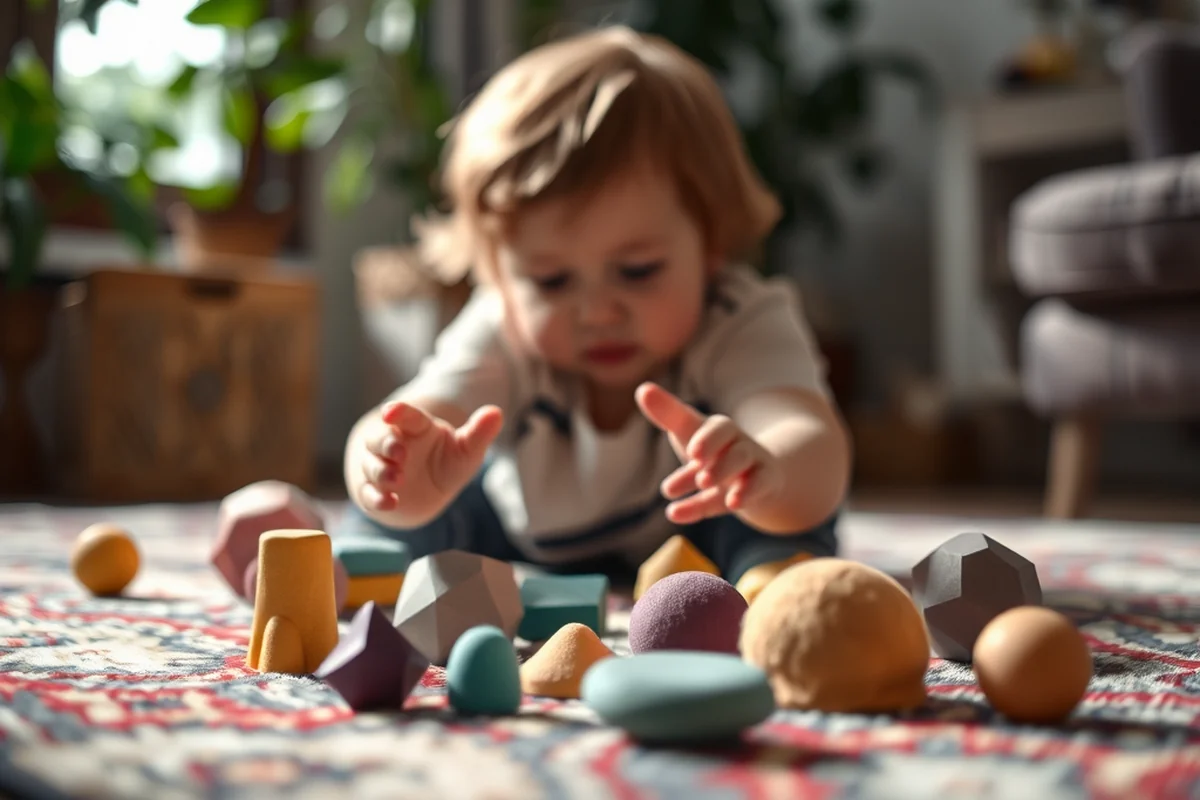
We started taking daily walks in our neighborhood, turning them into scavenger hunts. We’d bring a small notebook and list things like 'a red leaf' or 'a pinecone' for my kids to find. It was a simple way to get outside and engage their senses.
One day, my son found a spider and we spent 20 minutes watching it move across a blade of grass. It was a moment of pure wonder, and it reminded me how powerful unstructured, nature-based play can be.
These walks became a regular part of our day, and I’ve noticed a shift in my kids’ focus and curiosity. Nature has a way of bringing people together, and it’s one of the best screen-free activities routines that actually work.
Nature doesn’t require a screen—it demands attention.
Related: Screen free activities routines schedules checklist
Screen-Free Learning Through Play
I introduced a game called 'Guess the Object' where we’d take turns describing an item we were holding without showing it. It was a fun way to build vocabulary and listening skills.
We also started using household items to create a 'science lab.' We’d mix baking soda and vinegar to make a volcano, or use a magnifying glass to examine leaves. It wasn’t formal education, but it sparked curiosity and creativity.
These activities required no screens and only a few items. The result? My kids were learning without realizing it, and I was enjoying the process just as much as they were.
Instead of buying expensive educational toys, use what’s already in your home—like a magnifying glass, measuring cups, or even a cardboard box. It’s a low-cost way to keep kids engaged and learning.
“The first time I turned off the TV and handed my toddler a wooden puzzle, I didn’t expect it to change our lives.”— Screenlesshome editors
Related: Simple life app
Screen-Free Routines for Toddlers
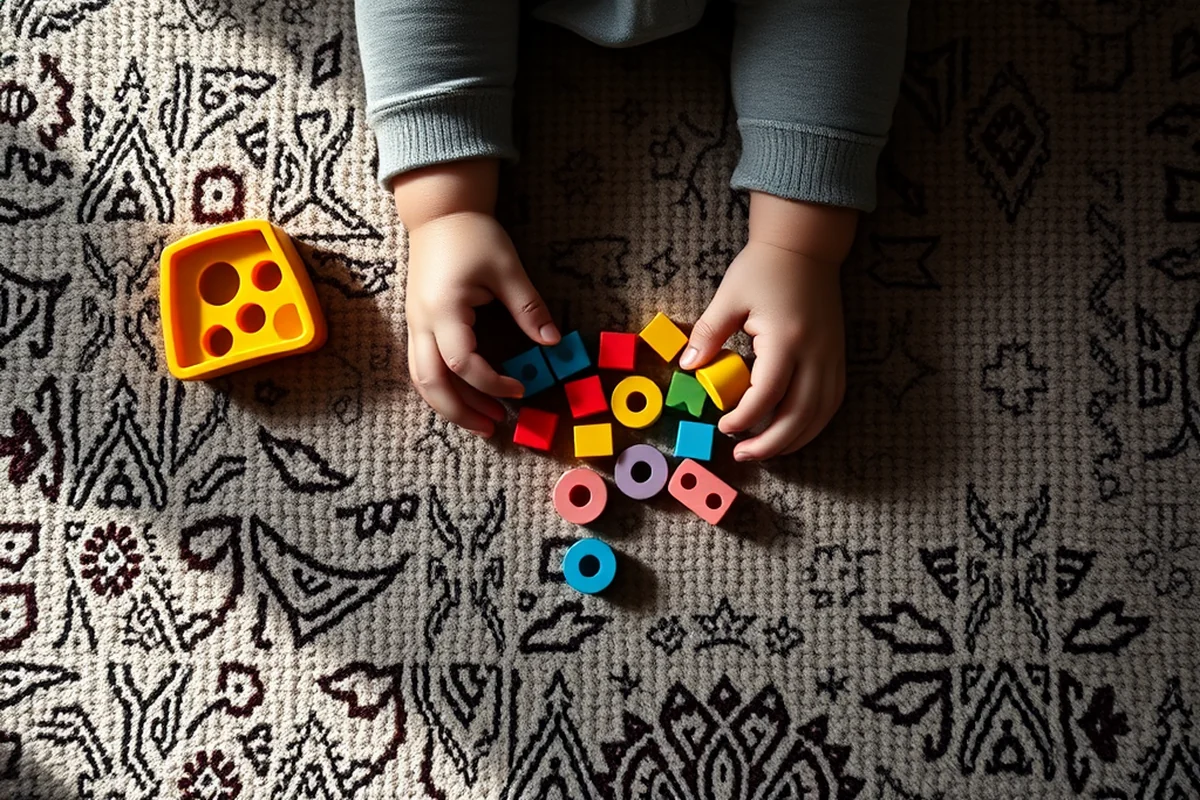
I created a 'snack and story' routine where we’d have a snack and read a short book. It was a way to slow down the day and give my toddler time to process the world around her.
We’d pick a snack—like yogurt and fruit—and read a book that matched the theme. My daughter would ask to read the same book over and over, and it gave her a sense of comfort and routine.
This routine didn’t require any special tools or planning. It was simple, but it made a big difference in how my daughter approached the day. It was one of the screen-free activities routines that actually worked for us.
Related: Memory care activity calendar ideas
The Importance of Family Time
We started having a weekly 'family day' where we’d do something together, like making a blanket fort or playing board games. It was a way to set aside time for each other without any distractions.
One of our favorite activities was a 'family cooking day,' where we’d make a simple meal together. It wasn’t about the food—it was about the time we spent together and the conversations we had.
These moments became some of our most cherished memories, and they reminded me that family time doesn’t require screens. It just requires presence, patience, and a willingness to be together.
🌿 Gentle Screen-Free Routine
Start slow with short, low-pressure activities that fit into your daily schedule.
⚡ Fast-Track Screen-Free Routine
Use high-energy, short activities that can be done in under 20 minutes.
✈️ Travel/Remote Screen-Free Routine
Simple, portable activities that work well on the go or during travel.
👶 Screen-Free Routine for Multiples
Activities that can be done with multiple children at once, minimizing chaos.
🔄 Regression Reset Screen-Free Routine
A structured approach to reset screen-heavy habits with a focus on consistency.
| The mistake | Why it happens | The fix |
|---|---|---|
| Trying to do too much at once. | Overloading your kids with too many activities can lead to confusion and resistance. | Start with one or two screen-free routines and gradually add more as your family gets comfortable. |
| Being too rigid with the schedule. | Children thrive on flexibility, and too much structure can make screen-free routines feel like a chore. | Allow for changes and adapt as needed. The goal is fun and connection, not perfection. |
| Forcing screen-free time. | If screen-free time feels forced, it can create resistance and frustration. | Make it a shared experience where everyone is involved and excited to participate. |
| Not having a backup plan. | If your screen-free routine fails, having no alternative can lead to a breakdown in the process. | Have a few backup activities ready in case the first one doesn’t work. This keeps the momentum going. |
Related: Best screen free activities routines schedules
Screen-free Activities Routines That Actually Work
Related: Screen free activities routines on a budget
The Role of Creative Expression in Screen-Free Routines
I've noticed that when my kids have unstructured time to draw, build, or act out stories, their focus and creativity soar. One afternoon, I set up a craft station with recycled materials, and within minutes, my 5-year-old was creating a whole fantasy world using cardboard boxes and markers. This kind of activity not only keeps them engaged for hours but also helps them process emotions and develop fine motor skills. The absence of screens forces them to think, imagine, and problem-solve in real time.
Over the past year, I've experimented with weekly creative challenges, like making a clay sculpture or composing a short song. These activities have helped my kids explore their interests and talents in ways that screen-based entertainment simply cannot. When my 7-year-old made a stop-motion animation using paper cutouts, it was a joy to see her take ownership of her project and feel proud of her work. These kinds of screen-free creative projects give kids a sense of accomplishment that’s unmatched.
I've also found that incorporating family art nights or storytelling circles into our routine has been incredibly rewarding. One evening, we all took turns drawing our favorite memories, and it turned into a heartfelt conversation about what makes us happy. These moments not only build family bonds but also help children understand that creativity can be a powerful tool for connection and self-expression.
The Benefits of Screen-Free Routines for Emotional Regulation
I’ve come to realize that limiting screen time during the day has had a noticeable impact on my kids' emotional regulation. For example, during a stressful week at school, my 8-year-old usually would retreat to his bedroom and stare at the TV for hours. But when we replaced that screen time with a routine of deep breathing exercises and guided imagery, he began to calm himself much more quickly. It took about two weeks of consistent practice, but the shift was significant.
One of the most useful strategies we adopted was the 'Feelings Check-In' at dinner time. We sit around the table and take turns sharing how we're feeling that day, using colored stickers to represent our emotions. This simple practice has helped my kids articulate their feelings and recognize when they're getting overwhelmed. It’s been a game-changer for our family’s communication and emotional intelligence.
Incorporating mindfulness practices like yoga and nature walks into our screen-free routine has also been incredibly beneficial. On days when we go for a walk in the park and practice mindful breathing, my kids are more relaxed and focused for the rest of the day. I’ve seen a reduction in tantrums and meltdowns, and it’s given me more confidence in our parenting approach. These small, consistent routines are shaping how my kids handle stress and express themselves.
The Role of Consistency and Flexibility in Screen-Free Routines
Consistency and flexibility are key to making screen-free routines work in the long run. By setting regular times for activities, children learn to expect and look forward to them, while flexibility allows for adaptation when life gets messy.
I’ve found that having a consistent schedule—like designated blocks of time for art, outdoor play, or reading—creates a sense of security for kids. Even on chaotic days, sticking to a few core routines helps keep things on track. For example, if we’re running late in the morning, we still make sure to have our 15-minute family breakfast before heading out, which gives us a moment of calm before the day starts.
Flexibility is just as important. There are days when the weather is terrible, or when a child is feeling unwell, and we need to adjust. On those days, we might swap outdoor play for a walk around the block or replace a structured craft session with free drawing. This prevents frustration and keeps the whole family engaged without feeling forced.
I also use a visual schedule with icons and simple language to help my kids understand what’s coming next. This tool has been especially helpful for my 5-year-old, who loves seeing the day laid out in front of her. It’s a small but powerful way to support autonomy and reduce resistance to screen-free activities.
Common Questions
How do I get my kids to participate in screen-free activities?
What if my kids are resistant to screen-free routines?
Can I do screen-free routines without a lot of time?
How do I keep screen-free routines from becoming stressful?
References
Cite this guide
Screenlesshome (2026). Screen-free Activities Routines That Actually Work. https://screenlesshome.com/screen-free-activities-routines-that-actually-work/
Feel free to cite or share this guide.