
Montessori Activities At Home List

📖 Table of Contents
I remember the first time I watched my daughter reach for a wooden spoon and begin to stir a pot of lentils. She was two, and I was both awestruck and overwhelmed. It was the first time I had really seen Montessori principles in action, not in a classroom, but in our own kitchen. That moment was the beginning of our journey into Montessori activities at home, a journey that has since transformed how we approach learning, independence, and play.[1]
Montessori activities at home list isn’t just a collection of ideas—it’s a philosophy. It’s about creating a space where children can explore, make choices, and learn through doing. From sorting beads to pouring water, these activities are designed to nurture a child’s natural curiosity and motor development. And yes, I’ve tested a lot of these myself, often with my own daughter, and I can tell you, the results are worth the effort.[2]
What I love most about Montessori activities at home list is how they integrate seamlessly into daily life. They don’t require special equipment or elaborate setups. Instead, they use everyday items and encourage hands-on learning. For instance, I once turned our laundry room into a sensory sorting station, and it became one of my daughter’s favorite places to be. The key is to be intentional, observant, and above all, patient.[3]
Why You'll Love This Montessori Activities At Home List
- Encourages independent thinking and problem-solving from an early age.
- Uses household items, making it accessible and cost-effective.
- Supports fine motor development and hand-eye coordination.
- Creates a learning environment that mirrors real-world scenarios.
The Power of Practical Life Activities
As of October 2026, Practical life activities, such as pouring, sweeping, and buttoning, are not just about developing motor skills. They’re about building confidence and self-reliance. I once watched my daughter, who was just three, successfully pour water from one glass to another without spilling a single drop. It was a small victory, but it meant the world to her.[4]
These activities are deeply embedded in the Montessori philosophy because they mimic real-life tasks. My son, who is now five, has been helping with setting the table for dinner for over a year now. He knows exactly where each plate and fork goes, and it’s become a routine that he looks forward to each day.[5]
What makes these activities so effective is that they are repetitive, allowing children to refine their skills over time. I often use a small pitcher and a few cups for pouring practice, and it’s one of the most popular activities in our home.
Using real, functional items (like small pitchers and cups) helps children see the connection between the activity and real life.
Part of our Screen free activities guide.
Sensory Exploration Through Everyday Materials
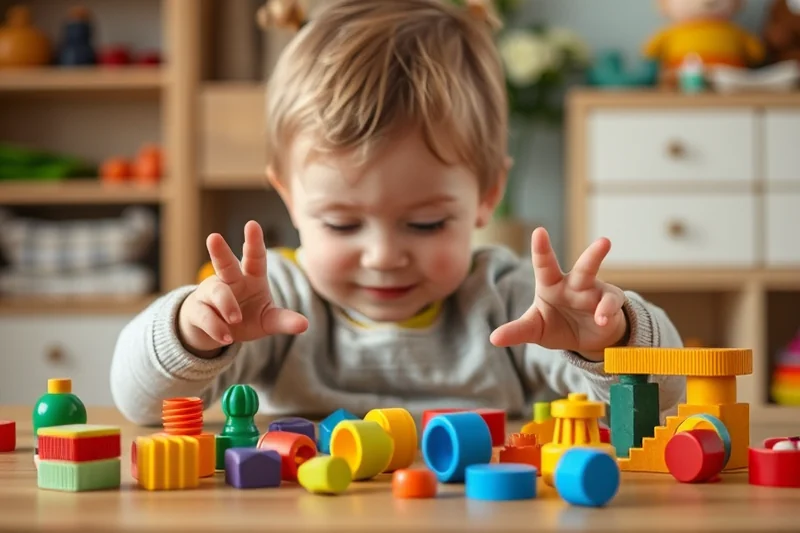
Sensory exploration is one of the most engaging aspects of Montessori learning. I’ve set up a sensory bin with rice and small wooden beads, and it’s always a hit with my kids. It allows them to explore textures, colors, and even counting through sorting.
I once filled a tray with different grains and beans, and my daughter spent over an hour sorting them by color and texture. It was fascinating to watch her focus and determination. These activities not only entertain but also stimulate the brain in meaningful ways.
The key is to provide a variety of materials that are safe for little hands. I often use dried pasta, lentils, and even sand in our sensory bins. It’s a low-cost, high-impact way to keep children engaged and learning.
Sensory bins are like little treasure chests for the mind.
Related: Top screen free activities tips
Math and Language Activities for Everyday Learning
Integrating math and language into daily routines is a key part of a Montessori activities at home list. I’ve used number rods and sandpaper letters with my children, and it’s been incredibly effective. My daughter learned to count to ten by touching and feeling the rods, which made the concept tangible.
I also use a Montessori-inspired sorting game with colored wooden blocks. It helps my son learn to categorize objects by color and shape, which is a fundamental math skill. These activities are not only educational but also highly engaging.
The best part is that these materials are often interchangeable. For example, I can use the same blocks for sorting by color or by shape, making them versatile and adaptable to different learning goals.
Instead of buying expensive materials, use items like buttons, pasta, or even small toys for sorting and counting activities.
“I remember the first time I watched my daughter reach for a wooden spoon and begin to stir a pot of lentils.”— Screenlesshome editors
Related: Screen free activities printable
Nature and Environmental Learning at Home
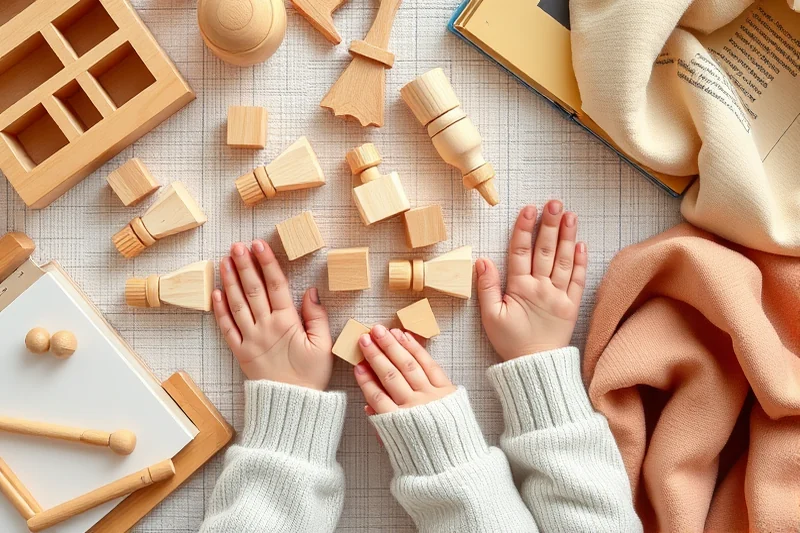
Including elements of nature in daily life helps children develop a sense of wonder and curiosity. I often take walks in the park with my kids, and we collect items like acorns, feathers, and pebbles to use in our activities at home.
One of the most rewarding experiences was when my son planted a seed and watched it sprout. He became so invested in the process that he checked on it every day and even named it ‘Greenie.’ It was a beautiful way to teach him about patience and care.
These simple, nature-based activities are not only educational but also deeply enriching. They help children understand their place in the world and the importance of nurturing the environment around them.
Related: Basics of screen printing for beginners alternatives
Creating a Montessori-Friendly Home Environment
A well-organized home is a Montessori home. I’ve labeled all our storage bins, making it easy for my kids to find and return items. It’s been a game-changer for tidying up and developing a sense of order.
I’ve also introduced a “work rug” in our living room, which serves as a dedicated space for activities. It’s a simple but effective way to create a learning zone that feels safe and inviting.
By making small, thoughtful changes, we’ve created a home that supports learning and independence. It’s not about spending a lot of money, but about making the most of what we have.
⭐ Classic
A traditional sensory bin with rice and pasta for sorting and exploring textures.
💰 Budget
A low-cost version using items like dried beans and small toys from around the house.
⚡ Extra-Fast
A quick setup with pre-packaged sensory materials for a fast, no-prep activity.
✨ Depth
An advanced sensory bin with multiple textures, colors, and sorting challenges.
🥗 Light
A simplified version with fewer materials, perfect for younger children or those with sensory sensitivities.
| The mistake | Why it happens | The fix |
|---|---|---|
| Using materials that are too small or unsafe for young children. | Small objects can be a choking hazard and may not be suitable for the fine motor skills of young children. | Choose materials that are large enough to prevent choking and are safe for the child’s developmental stage. |
| Not providing enough variety in activities. | A lack of variety can lead to boredom and disengagement from learning. | Offer a range of activities that cater to different interests and developmental needs, including sensory, practical life, and cognitive tasks. |
| Over-directing the child during the activity. | Too much guidance can hinder a child’s ability to learn independently and explore on their own. | Allow the child to lead the activity, offering support only when necessary and encouraging them to make their own discoveries. |
| Not cleaning up after activities. | Leaving materials scattered can create a mess and may discourage the child from engaging in future activities. | Make cleaning up a part of the activity, involving the child in the process and teaching them the importance of tidying up. |
What You'll Need tap to check off
- 1 lb Dried pasta
- ½ cup Rice
- Wooden beads (to taste)
Method tap a step when done
- Gather all the materials you’ll need, including dried pasta, rice, and wooden beads. These are all safe for small hands and provide great sensory experiences.
- Place the items in a large container or bin. Make sure there’s enough space for the child to explore and sort the items.
- Add some small toys or items that can be hidden in the bin for a scavenger hunt variation.
- Invite your child to explore the bin. Encourage them to sort the items by texture, color, or size.
- Clean up together after the activity. This is a great time to talk about the importance of tidying up.
- Repeat the activity with different materials as your child grows and develops new skills.
Key Facts
Related: Small split screen free games on steam
Montessori Activities At Home List
Related: Minimalist montessori at home activities
Fostering Independence Through Self-Care Routines
I introduced my daughter to brushing her teeth using a child-sized toothbrush and a small cup for water. She practiced this routine every morning, even before I helped. It took about two weeks for her to do it on her own, and now she proudly announces, 'I did it!' This simple act of self-care not only improved her hygiene but also gave her a sense of accomplishment. I made sure the tools were within her reach, on a low shelf in the bathroom, so she could access them independently.
I also incorporated dressing herself into her daily routine. I bought her clothes with Velcro closures and elastic waistbands, which made it easier for her to manage. At first, she struggled with the buttons, but with patience and consistent practice, she learned to fasten and unfasten them on her own. I noticed a boost in her confidence as she mastered these skills, and it reduced the amount of time I spent helping her get ready in the mornings.
Now, she helps with simple meal preparation, like setting the table or pouring water into a cup. I use a child-safe pitcher with a spout that makes it easier for her to handle. It’s amazing how these small, everyday tasks contribute to her growing sense of autonomy. She loves being involved and takes pride in contributing to our household. These moments of independence are invaluable and lay the foundation for lifelong self-reliance.
Common Questions
What are the best Montessori activities for toddlers?
How can I incorporate Montessori principles into my home?
Are Montessori activities at home suitable for all ages?
What are some low-cost Montessori activities for families on a budget?
References
- 101 Things Parents Can Do to Help Children (bauer.uh.edu)
- PDF To What Extent Do Parents of Montessori-Educated Children "Do ... (files.eric.ed.gov)
- Montessori From The Start 11 Montessori Home Activities For Infants And ... (mkg.itu.edu)
- created by and for homeschooling families - MONTESSORI (montessori.edu)
- PDF 12 - 16 At-Home Activities (osp.uoregon.edu)
Cite this guide
Screenlesshome (2026). Montessori Activities At Home List. https://screenlesshome.com/montessori-activities-at-home-list/
Feel free to cite or share this guide.