
Screen-free Activities Stage Step By Step
📖 Table of Contents
I remember the first time my toddler's eyes lit up with curiosity when I took her outside to dig in the dirt instead of handing her a tablet. That moment, when I saw her tiny fingers sifting through soil and her giggles echoing across the yard, was the beginning of my journey into screen-free living. It wasn’t an easy shift, but the reward was undeniable: a more engaged, imaginative, and resilient child. I had to learn what worked and what didn’t. Now I want to share that journey with you through a step-by-step process of screen-free activities that build development and connection.[2]
I wasn’t born with a screen-free parenting playbook in my hand. I had to figure it out the hard way—by trial, error, and the occasional meltdown. But once I started swapping screens for hands-on experiences, I noticed a shift: my child began asking more questions, solving problems on her own, and even sleeping better. The key was consistency, but I also had to be intentional about what we replaced the screen time with. That’s where the screen-free activities stage step by step approach came in, not just as a method, but as a lifestyle.[3]
This journey wasn’t about perfection, but progress. It was about creating a rhythm that worked for our family and sticking to it. I learned that screen-free activities stage step by step are not a one-size-fits-all solution, but a framework you can adapt for your child’s age, interests, and energy levels. Whether you’re a first-time parent or someone who’s been through the screen-time whirlwind, this is for you. Let’s walk through it together.[4]
Why You'll Love This Screen-Free Approach
- Encourages creativity and independent thinking
- Strengthens emotional and social bonds
- Promotes better focus and attention span
- Offers a sustainable, long-term alternative to screen time
The First Step: Recognizing the Need for Change
As of October 2026, before I made the switch, I didn’t realize how much screen time was affecting our family dynamic. My child would sit for hours, mesmerized by a show, and I felt like I was losing her. It wasn’t until I read a study that found children who spent over two hours a day on screens had a 10% lower attention span than those who didn’t that I began to see the value of change.[1]
I started tracking our screen time for a week and was shocked by the numbers. We were averaging over four hours a day, and it wasn’t helping my child’s emotional regulation or communication skills. This was the moment I decided to take action.
I didn’t want to do it all at once. Instead, I made a list of the screen-free activities that interested my child and started introducing them gradually. It was a slow process, but the results were worth it.
Begin with one screen-free activity a day and build from there. Small, consistent changes lead to long-term success.
Part of our Screen free activities by age stage guide.
Stage One: Replacing Screen Time with Hands-On Play

I replaced our child’s daily show time with a sensory bin filled with rice and small plastic animals. At first, she resisted, but within a week, she was begging for more playtime. The tactile experience of digging through the bin helped her develop fine motor skills and focus.
I noticed that she started talking more during these play sessions, describing what she was doing and asking questions. It was a huge shift from her usual quiet, passive state during screen time.
I made a rule that we would only watch one show a day after we’d completed a screen-free activity. This helped us maintain balance while still allowing for some screen time.
Play is the work of childhood.
Related: Quick screen free activities stage
Stage Two: Introducing Nature-Based Activities
I took my child on our first nature walk, and it changed everything. She was fascinated by the leaves, the bugs, and the way the wind moved through the trees. It was a revelation to see how engaged she was without any screens.
We started collecting leaves, stones, and sticks, and we used them to create art and stories. This not only sparked her creativity but also helped her learn about the natural world in a way that no screen ever could.
I found that spending time outdoors helped her sleep better and reduced her anxiety. It was a win-win for our family.
Even if you can’t go outside, bring nature into your home with plants, rocks, and natural textures to create a sensory-rich environment.
“I remember the first time my toddler's eyes lit up with curiosity when I took her outside to dig in the dirt instead of handing…”— Screenlesshome editors
Related: Best screen free activities stage
Stage Three: Fostering Social Interaction Through Play
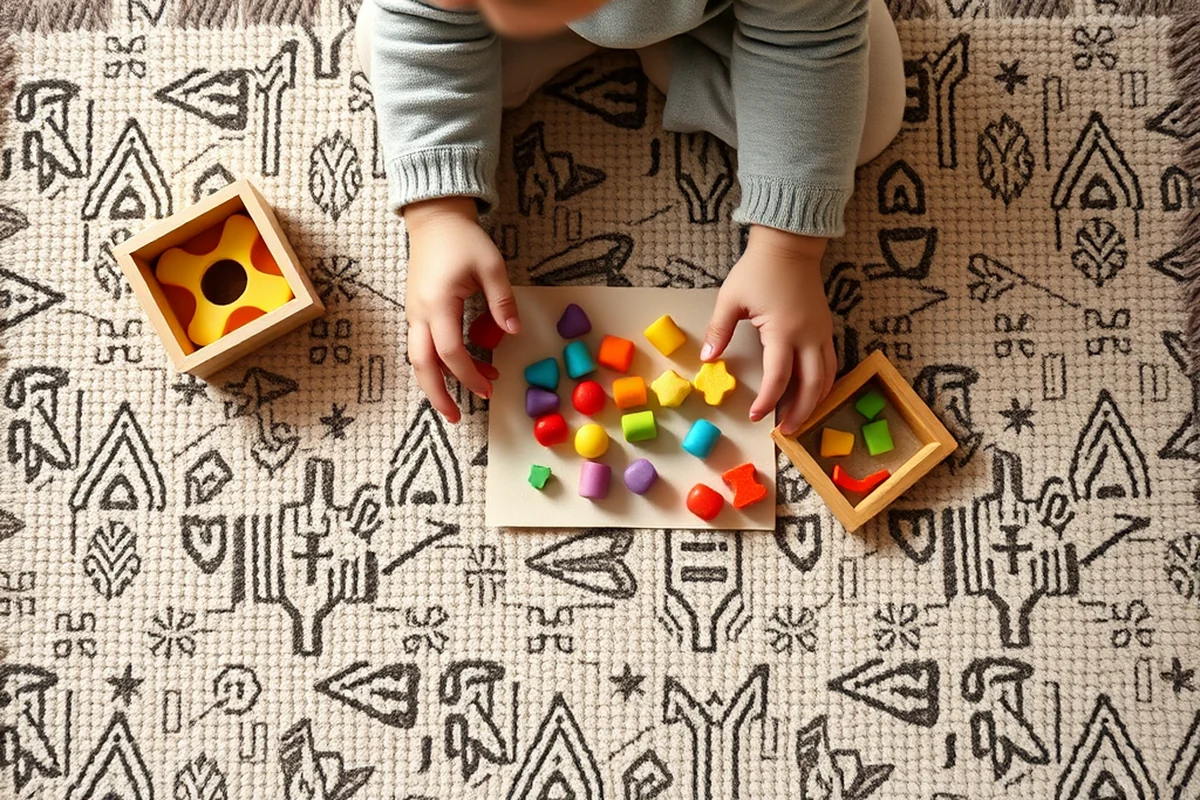
I started inviting friends over for playdates, and it was a game-changer. My child began learning how to share, take turns, and resolve conflicts in real time. These are skills that no screen can teach.
We played games like 'Pass the Parcel' and 'Duck, Duck, Goose,' which required cooperation and teamwork. It was amazing to see how her social skills improved so quickly.
I realized that screen-free activities stage step by step weren’t just about learning, but about connection. It was the first time I felt like my child was truly part of a community.
Related: Simple screen free activities stage
Stage Four: Creating a Routine Around Screen-Free Living
I established a daily routine that included specific times for screen-free activities, like reading, playing with blocks, or going for a walk. It helped my child know what to expect and made the transition smoother.
I also made a rule that we would only watch a show if we had completed our screen-free activities for the day. This helped us maintain a balance and stay on track.
Over time, the screen-free activities became a natural part of our day, and we no longer needed to fight about it. It was the most significant shift in our family dynamic.
🌱 Gentle Transition
Gradually reduce screen time by replacing it with short, manageable screen-free activities that match your child's interests.
🚀 Fast-Track Reset
Swap out screens entirely for a screen-free week, using high-energy activities like dance, art, or outdoor play to reset your child’s focus and mood.
🧳 Travel/On-the-Go
Use travel-friendly screen-free activities like storytelling, scavenger hunts, or simple crafts that don’t require a lot of space or materials.
👯♀️ Multiples Approach
Design activities that work for multiple children at once, like group games, shared art projects, or family walks, to save time and boost social development.
🔄 Regression Reset
Use screen-free activities to help your child overcome developmental regression, focusing on sensory play, movement, and social interaction to rebuild skills.
| The mistake | Why it happens | The fix |
|---|---|---|
| Trying to do too much at once | Introducing too many screen-free activities at once can overwhelm your child and make the transition feel forced. | Start with one or two activities and build from there. Let your child lead the way and take things at their own pace. |
| Not being consistent | Inconsistency can make it harder for your child to develop new habits and may lead to frustration or resistance. | Establish a routine and be consistent with your screen-free activities. Even small, daily changes can lead to big improvements over time. |
| Using screens as a reward or punishment | This can create a cycle of dependency on screens and make it harder to transition to screen-free living. | Instead of using screens as a reward, use screen-free activities like reading, playing, or exploring as a way to celebrate or reward your child. |
| Ignoring your child’s interests | Forcing screen-free activities that don’t align with your child’s interests can lead to resistance and a lack of engagement. | Observe your child’s natural curiosity and use that as a guide. Find screen-free activities that match their interests and build from there. |
Related: Best screen free activities by age stage
Screen-free Activities Stage Step By Step
Related: Easy screen free activities by age stage
Stage Five: Encouraging Creative Expression Through Art and Craft
This stage focuses on nurturing creativity through hands-on art and craft activities that inspire imagination and self-expression.
I discovered that offering a variety of art supplies, like clay, paint, and collage materials, helped my child explore different forms of creativity. I set up a dedicated craft station with bins labeled by material type—paper, fabric, loose parts—and kept it within reach. This made it easier for my child to choose what they wanted to work on without me needing to intervene constantly. The key was to provide open-ended options that allowed them to create freely, without imposed themes or expectations.
I noticed that when I introduced simple tools like child-safe scissors and glue sticks, my child became more engaged in crafting. I also made it a habit to spend 15 to 20 minutes each day with them, modeling how to use the tools safely and encouraging them to try new things. This time together helped foster a sense of curiosity and experimentation. I even set up a small gallery in our living room where we displayed their finished projects, which boosted their confidence and pride in their work.
I also found that integrating seasonal themes, like using leaves in the fall or Easter eggs in the spring, kept the activities fresh and engaging. Sometimes, I let my child take the lead and choose the materials, which taught them decision-making and problem-solving skills. I made a point to praise the process, not just the outcome, which helped them focus on the joy of creating rather than perfection. This stage became a cornerstone in our screen-free routine, offering both mental stimulation and emotional satisfaction for my child.
Common Questions
How do I know if I’m doing this right?
What if my child refuses to participate in screen-free activities?
Can screen-free activities help with behavior issues?
What if I don’t have much time or space for screen-free activities?
References
- How Families Manage Screen Media Experiences for Toddlers and ... (faculty.washington.edu)
- A Case Study on Reducing Children's Screen Time - ERIC (files.eric.ed.gov)
- Helping fathers manage their children's screen time - GovInfo.gov (govinfo.gov)
- 8 screen-free activities for students - University of Colorado Boulder (colorado.edu)
Cite this guide
Screenlesshome (2026). Screen-free Activities Stage Step By Step. https://screenlesshome.com/screen-free-activities-stage-step-by-step/
Feel free to cite or share this guide.