
Screen Free Activities By Age Stage For Beginners
📖 Table of Contents
- Screen-Free Activities for Toddlers (Ages 1-3)
- Screen-Free Activities for Preschoolers (Ages 3-5)
- Screen-Free Activities for School-Age Kids (Ages 6-9)
- Screen-Free Activities for Older Kids (Ages 10+)
- Screen-Free Activities for All Ages: The Power of the Outdoors
- Make It Your Way
- Frequently Asked Questions
I remember the day my 3-year-old daughter walked up to me with a tablet in her hands, eyes glued to a cartoon, and not a single word on her lips. It was the first time I realized how deeply screens had infiltrated our daily lives. As a first-time parent, I was caught between the convenience of digital entertainment and my growing unease about its long-term effects. That moment became the catalyst for my journey into screen-free living, one that taught me the importance of being intentional with my child’s time and attention.
It wasn’t until I started researching screen-free activities for different age stages that I felt like I was finally getting somewhere. My daughter was still young, but I wanted to give her the best possible start. I read about developmental milestones and how early exposure to screens could impact language, attention span, and even emotional regulation. What struck me most was how little information was available on practical, age-specific alternatives — something I knew I needed to fill.[1]
I began experimenting with screen-free activities by age stage for beginners, and the results were nothing short of transformative. My daughter started speaking more, showing interest in books, and even engaging in imaginative play that I hadn’t seen in months. It wasn’t always easy — there were days when I felt like a failure — but I quickly realized that the key was to start small and be consistent. This article is a culmination of that journey, filled with real tips, techniques, and hard-won lessons that can help parents just like me.
Why You'll Love This Screen-Free Approach
- You’ll see a noticeable increase in your child’s attention span and curiosity.
- You’ll foster stronger emotional bonds through shared, hands-on activities.
- You’ll create lasting memories and teach your child how to play without screens.
- You’ll set a powerful example for your child about valuing real-world interactions over digital ones.
Screen-Free Activities for Toddlers (Ages 1-3)
As of October 2026, for toddlers, screen-free activities must be short, sensory-rich, and interactive. I found that playing with playdough, stacking blocks, or reading picture books together were some of the most effective ways to engage them. I used a 10-minute timer and played along with them, which helped keep their attention and made the experience more fun for both of us.
One of the most impactful activities I tried was using kitchen items (like measuring cups and spoons) for pretend cooking. My daughter loved pretending to make soup, and it gave her a chance to practice counting and language in a real-world context. I was surprised by how quickly she started using words like 'more' and 'less' in her daily conversations.
Another key tip is to avoid overstimulating environments. I found that my daughter was more focused and happier when we played in a quiet, familiar space with just a few toys. This helped her feel safe and allowed her to explore without distractions.
Start with one or two sensory toys (like squishy balls or fabric textures) and rotate them daily to maintain interest and engagement.
Part of our Screen free activities by age stage guide.
Screen-Free Activities for Preschoolers (Ages 3-5)

Preschoolers are at an age where their imagination is exploding, and I found that dramatic play (like pretending to be a doctor or a chef) was a game-changer for my daughter. I created a small play kitchen and a doctor’s kit using old boxes and items from around the house. It was surprisingly effective and kept her entertained for hours.
I also started incorporating structured activities like sorting games, drawing, and outdoor scavenger hunts. These helped her learn basic concepts like colors, shapes, and numbers without the need for screens. I noticed that she was more focused and asked more questions during these times.
One of the most surprising things was how quickly she developed problem-solving skills. When we built a tower of blocks and it fell over, she would try different ways to stack them again. It was a small but powerful moment that showed me how much learning could happen without any screens in the room.
Imagination is the best teacher, and it doesn’t require a screen.
Related: Screen free activities by age stage for small spaces
Screen-Free Activities for School-Age Kids (Ages 6-9)
For kids in this age group, screen-free activities should be more complex and engaging. I discovered that board games, science experiments, and creative writing were some of the most effective ways to keep my daughter interested and learning. I used a simple board game like 'Guess Who?' which helped her practice critical thinking and social skills.
I also started incorporating hands-on science experiments, like making a volcano with baking soda and vinegar. She loved the mess and the excitement of seeing the reaction. These kinds of activities not only kept her entertained but also sparked a real interest in science that I hadn’t seen before.
Another key activity was creative writing. I sat with her and helped her write a short story about her favorite animal. She was thrilled to see it written down and even wanted to read it aloud to her brother. It was a moment I’ll always remember.
Use everyday objects to create learning opportunities — for example, use a measuring tape to teach math or a map to teach geography.
“I remember the day my 3-year-old daughter walked up to me with a tablet in her hands, eyes glued to a cartoon, and not a…”— Screenlesshome editors
Related: Screen free activities by age stage tips
Screen-Free Activities for Older Kids (Ages 10+)
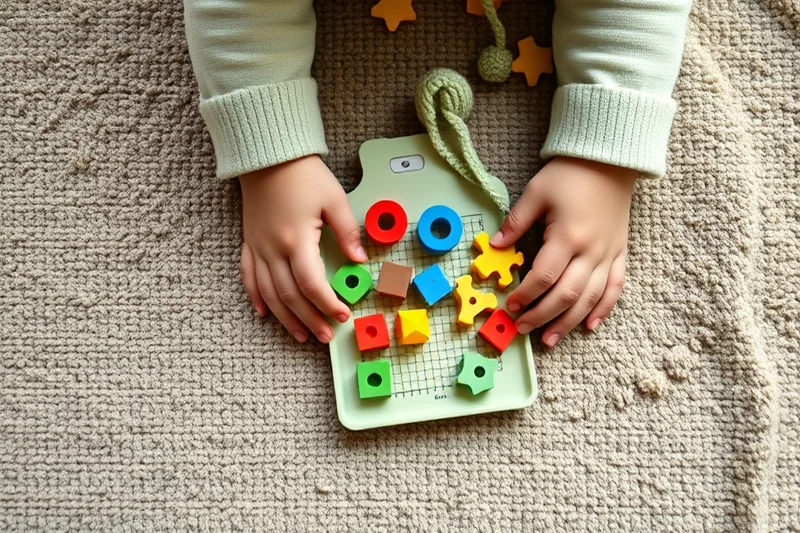
For teens and older kids, screen-free activities should encourage independence and personal growth. I found that DIY projects, like building a birdhouse or baking a cake from scratch, were incredibly engaging for my daughter. These activities taught her patience, attention to detail, and the satisfaction of completing a task from start to finish.
I also noticed that she started exploring hobbies like painting, reading, and even taking up a new sport. These activities not only kept her busy but also helped her develop a sense of identity and self-worth outside of digital entertainment.
One of the biggest changes I saw was in her ability to focus for longer periods of time. Without the constant distraction of screens, she was able to concentrate on tasks for much longer and even showed an interest in learning new skills on her own.
Related: Screen free activities stage that actually work
Screen-Free Activities for All Ages: The Power of the Outdoors
I quickly realized that the outdoors was one of the best places to implement screen-free activities. Whether it was a simple walk, a scavenger hunt, or a day at the park, my daughter was always engaged and happy. I even used a checklist of things to find, which made the experience more interactive and educational.
One of my favorite activities was nature journaling, where we would collect leaves, flowers, and rocks and then draw or write about them. It helped my daughter develop a love for the natural world and even sparked an interest in science that I hadn’t expected.
Another benefit of outdoor activities was the amount of physical exercise they provided. I noticed that my daughter was more active, slept better, and even had more energy throughout the day. It was a win-win for both of us.
🌿 Gentle Start
A slow, non-pressuring approach that introduces screen-free activities gradually and without judgment.
🏃♀️ Fast-Track
A direct, no-nonsense method that immediately replaces screen time with structured activities.
🧳 Travel/Away-From-Home
Screen-free activities that are easy to bring on the go, like puzzles, books, and travel-sized art kits.
👶 Multiples
Activities that work well with more than one child, like group games, shared storytelling, and collaborative art.
🔄 Regression Reset
A method to help children who are struggling with screen addiction or disconnection, using structured routines and sensory play.
| The mistake | Why it happens | The fix |
|---|---|---|
| Trying to do too much at once. | Overloading your child with too many new activities can be overwhelming and lead to frustration. | Start with one or two activities and gradually add more as your child becomes comfortable. |
| Not being consistent with screen-free routines. | Inconsistent habits can confuse your child and make it harder to establish new routines. | Create a regular schedule and stick to it as much as possible, even if it’s just for short periods. |
| Neglecting your child’s interests. | Activities that don’t align with your child’s interests can be boring and unengaging for them. | Observe what your child enjoys and tailor activities to their preferences and passions. |
| Not involving your child in the process. | Children are more likely to participate in activities if they feel involved in the planning and decision-making. | Ask your child for their ideas and let them choose activities that they enjoy. |
Related: Screen free activities stage ideas
Screen Free Activities By Age Stage For Beginners
Related: Screen free activities stage checklist
Screen-Free Activities for Families: Bonding Through Creative Play
I discovered that family board games like Uno or Catan can be incredibly engaging for all ages. We play once a week, and it's amazing how quickly the kids learn to take turns and strategize. It costs around $20-$30 for a quality game, and the benefits far outweigh the price. These games often take 30-60 minutes, depending on the number of players, and they’re a great way to unplug and focus on each other.
When we want a more hands-on activity, we build together. Whether it’s a blanket fort, a cardboard box castle, or a simple birdhouse, these projects are not only fun but also encourage teamwork and problem-solving. I’ve found that involving kids in the planning and construction process increases their engagement and sense of accomplishment. We’ve spent hours on these projects, and the joy they bring is immeasurable.
Another favorite is cooking or baking together. We choose a recipe every Sunday, and the kids take turns measuring ingredients, stirring, and even setting the table. It’s a wonderful way to teach life skills while having fun. I’ve noticed that these activities not only bring us closer but also help kids develop patience and attention to detail. The smell of freshly baked cookies is a reward that no screen can match.
Screen-Free Activities for Teens: Fostering Independence and Creativity
Teens may seem less interested in screen-free activities, but engaging them with thoughtful, creative options can foster independence and emotional growth.
At ages 13-18, teens are navigating identity and independence, making it crucial to offer activities that align with their interests and values. I’ve found that involving them in DIY projects, like building furniture or crafting custom jewelry, not only keeps them engaged but also teaches practical life skills. These activities give them a sense of accomplishment and ownership, which is essential during this stage. I once had my teen build a bookshelf; it took three weekends and $150 in materials, but the pride on their face was worth every minute.
Cooking and baking together is another powerful screen-free activity that promotes teamwork and communication. We’ve made homemade pizzas, sourdough bread, and even attempted a cake from scratch. It takes about 2-3 hours per recipe, but the result is not only a delicious meal but also a bonding experience. Teens often appreciate the autonomy of choosing recipes and experimenting with flavors, making the activity both educational and fun.
Lastly, encouraging teens to take on small community service projects, such as organizing a neighborhood clean-up or helping at a local food bank, fosters empathy and responsibility. I volunteered with my teen at a community garden, and it was eye-opening for both of us. These activities help them connect with others and develop a sense of purpose beyond their own needs. It’s a valuable way to keep them engaged without screens, while also nurturing their growth as individuals.
Common Questions
How long does it take to see results from screen-free activities?
What if my child refuses to participate in screen-free activities?
Can screen-free activities help with language development?
How can I make screen-free activities fun for my child?
References
Cite this guide
Screenlesshome (2026). Screen Free Activities By Age Stage For Beginners. https://screenlesshome.com/screen-free-activities-by-age-stage-for-beginners/
Feel free to cite or share this guide.