
Diy Screen Free Activities By Age Stage
📖 Table of Contents
I remember the first time I turned off the TV during our toddler’s nap and realized I had an hour — not of guilt, but of possibility. I had no idea how much I could do with just a few items from our toy box and my own hands. This was the start of a screen-free journey that changed how we spend time together. I learned that screen-free time isn’t about deprivation — it's about discovery. It's about the giggles that come from a homemade obstacle course or the pride of watching my child stack blocks higher than I ever thought they could.
When I first started exploring screen-free activities, I was overwhelmed by the sheer number of options — and the confusion about what was age-appropriate. I wanted activities that were not only safe but also educational, engaging, and adaptable as my child grew. That’s when I began to organize my ideas by age stage. I found that different developmental milestones required different kinds of play, and that knowing what to expect made it easier to prepare and stay relaxed.[1]
Now, I have a collection of DIY screen-free activities tailored to each age stage, from baby to toddler to preschooler. These aren’t just random ideas — they’re carefully chosen based on what I’ve tested in my own home, what my child has loved, and what I’ve seen work for other parents. Whether you're looking for something quiet, active, creative or sensory, there's a screen-free activity that fits — and it’s all within reach, with no need for expensive equipment.[2]
Why You'll Love This Screen-Free Guide
- Activities are tailored to each age stage for optimal engagement and learning
- All ideas are DIY-friendly, requiring minimal materials and no special skills
- Includes tips on adapting activities for different family sizes and schedules
- Helps parents reclaim quality time with their children without the need for screens
0-12 Months: Sensory Play and Tummy Time
As of October 2026, at this age, babies are learning through touch, sight, sound, and taste. Simple sensory bins filled with safe items like rice, beans, or soft fabric are perfect. I filled a large bin with dried pasta and a few soft, washable toys — it became a favorite time for my baby to explore and learn cause and effect.[3]
Tummy time is another essential activity. To make it more engaging, I place a mirror on the floor in front of my baby and let them watch their reflection. It helps with head control and social interaction. I also use a soft blanket to create a mini fort, which made the experience more fun and comforting for them.
I found that using a few items like a sensory bin, mirror, and blanket can transform a quiet afternoon into a full sensory adventure. It’s a great way to support development without the need for anything complicated or expensive.
Lay a soft towel on the floor and place a baby-safe mirror in front of your baby. This encourages them to lift their head and look at their reflection — a fun way to build muscle strength and early social skills.
Part of our Screen free activities by age stage guide.
12-18 Months: Exploring Through Play
I created a simple obstacle course using pillows, blankets, and a few low chairs. My toddler loved crawling through the course, which helped develop their motor skills and coordination. It was also a great way to burn off energy and stay active.
Another favorite was a 'search and find' game. I would hide small, safe toys around the house and let my toddler search for them. It was a fun way to encourage problem-solving and language development as we played.
These activities are not only enjoyable but also promote early learning. They help build confidence and encourage exploration, all without the need for screens.
Play is the foundation of learning — and it doesn't require a screen.
Related: Easy screen free activities stage
18-24 Months: Building Blocks and Pretend Play
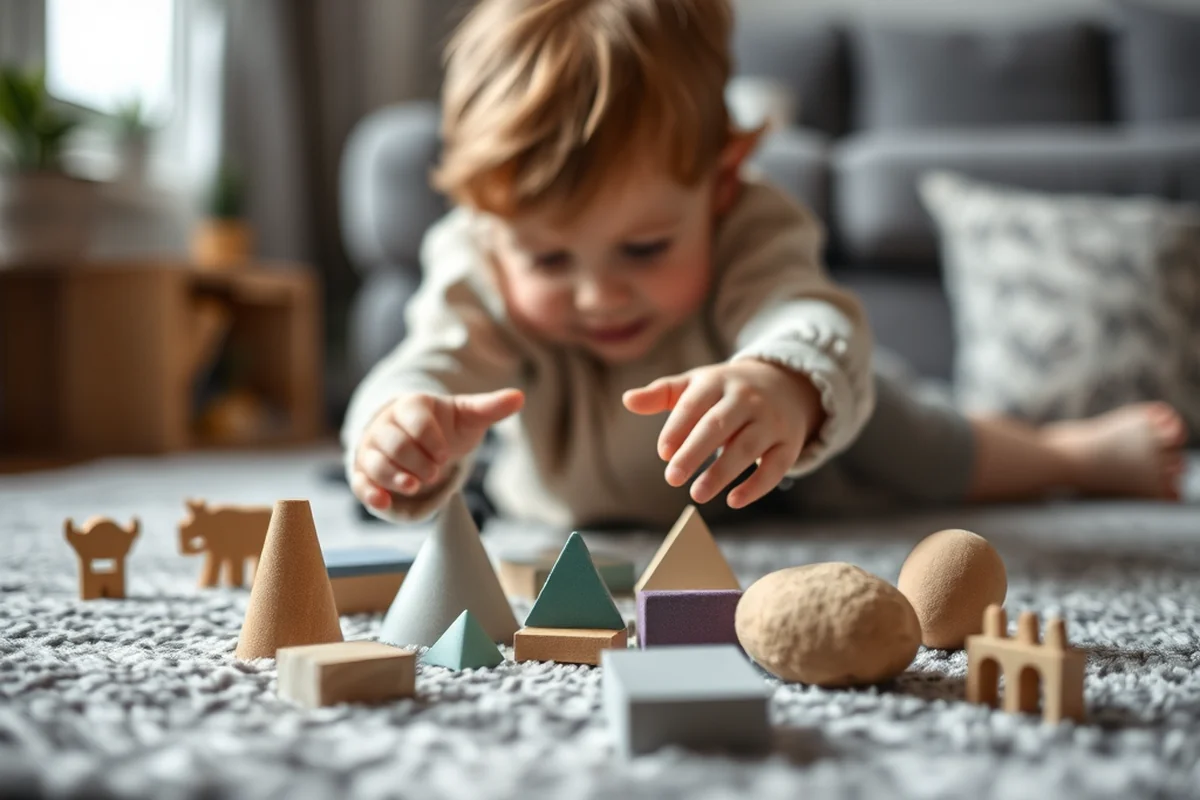
I set up a small building area with wooden blocks and construction paper. My toddler loved stacking the blocks and creating towers, which helped with hand-eye coordination and spatial awareness. I also used the paper to make simple shapes and letters, which introduced them to the alphabet in a fun way.
Pretend play is another key activity. I created a mini kitchen with cardboard boxes and plastic utensils. My toddler would 'cook' with me, which encouraged imaginative play and language development. It was also a great way to teach them about different roles and responsibilities.
I found that combining building and pretend play helped my toddler develop both creativity and cognitive skills. These activities were not only fun but also educational, and they could be done with just a few simple items.
Use cardboard boxes and household items to create a pretend kitchen or a mini store. This encourages imaginative play and helps develop language skills through role-playing.
“I remember the first time I turned off the TV during our toddler’s nap and realized I had an hour — not of guilt, but…”— Screenlesshome editors
Related: Affordable screen free activities stage
2-3 Years: Storytelling and Creative Play

I created a storytelling corner with soft blankets, a small rug, and a few stuffed animals. We would sit together and create stories, which helped with language development and creativity. It was also a great way to spend quality time together.
Another favorite was a 'craft station' where we would create simple art projects using crayons, paper, and glue. My child loved making colorful pictures, and it was a great way to encourage creativity and fine motor skills.
I found that these activities helped my child develop their imagination and communication skills. They were also easy to set up and could be done with just a few simple materials.
Related: Quick screen free activities stage
3-5 Years: Games and Learning Through Play
I set up a board game area with simple games like 'Snakes and Ladders' and 'Memory'. These games helped with concentration and social skills as we played together. It was also a great way to teach turn-taking and patience.
Another favorite was a 'science corner' where we would do simple experiments, like mixing baking soda and vinegar or creating a mini volcano. These activities helped with scientific thinking and curiosity.
I found that these activities not only provided fun but also helped with learning and development. They were also easy to set up and could be done with just a few materials.
🧘 Gentle Screen-Free Days
Focus on quiet, low-energy activities like storytelling, gentle yoga, and sensory exploration for a calming, screen-free experience.
⚡ Fast-Track Playtime
Use high-energy, quick activities like obstacle courses, dance parties, or scavenger hunts to fill time efficiently and keep kids engaged.
🧳 Travel Screen-Free Fun
Bring along a few portable items like blocks, books, or art supplies to keep kids entertained during trips or away from home.
👶 Screen-Free Time with Multiples
Create activities that allow siblings to play together, like building forts, playing board games, or doing crafts that they can complete side by side.
🔄 Screen-Free Regression Reset
Use a structured, sensory-based day with a focus on routine and calm to help children who are going through developmental or emotional regression.
| The mistake | Why it happens | The fix |
|---|---|---|
| Trying to do too many screen-free activities at once. | This can overwhelm your child and make the time feel chaotic and stressful. | Choose one or two activities per session and focus on quality over quantity. |
| Forcing screen-free time when your child is tired or in a bad mood. | This can lead to resistance and make the screen-free time feel like a chore. | Wait until your child is in a good mood or has energy to participate in screen-free activities. |
| Not adapting activities to your child’s interests or developmental stage. | This can lead to disengagement and make the time feel unproductive. | Tailor screen-free activities to your child’s age and interests to ensure they’re engaged and learning. |
| Not allowing your child to lead the activity. | This can make the screen-free time feel imposed and not enjoyable. | Let your child take the lead in choosing the activity or deciding how to play. This increases their investment and enjoyment. |
Related: Best screen free activities stage
Diy Screen Free Activities By Age Stage
Related: Simple screen free activities stage
6-8 Years: Collaborative Projects and Skill Building
This age is perfect for hands-on projects that encourage teamwork and develop fine motor skills, like building a birdhouse or crafting a scrapbook.
Another great option is encouraging kids to take on small DIY projects like making greeting cards, knitting simple items, or organizing a room with themed bins. These activities help build independence and self-confidence. I once had my son organize his toy room using labeled bins, and he took pride in the task. It was amazing to see how much more efficient he became at finding his toys afterward. These kinds of projects not only keep kids engaged but also teach them valuable life skills that will serve them well as they grow.
9-12 Years: Encouraging Independent Learning and Hobbies
At this age, children are ready for more complex, self-directed screen-free activities that foster independence and lifelong interests.
When my daughter turned 9, I noticed she was more curious about how things work. I started introducing DIY craft kits, like making her own jewelry or sewing simple projects. These activities not only kept her engaged for hours but also helped her develop fine motor skills and patience. The cost was low — most kits range from $10 to $20 — and she often reused materials from old projects.
I also encouraged her to explore hobbies like gardening or baking, which are perfect for screen-free, hands-on learning. We planted a small herb garden in our kitchen window, and she learned about plant care, responsibility, and even basic biology. Baking was another favorite; we followed recipes together, and she loved measuring ingredients and seeing the results of her work. These activities built confidence and taught her real-life skills.
Another great option is encouraging independent research and creative writing. I gave her a journal and a list of topics she was interested in, like animals or space, and let her choose what to explore. She would spend afternoons reading, writing, and drawing, often asking questions that led to deeper learning. These activities not only kept her away from screens but also nurtured her curiosity and love for learning.
Common Questions
What if I don’t have a lot of time for screen-free activities?
How can I keep my child entertained during screen-free time?
What if my child is used to screens and resists screen-free time?
Can I do screen-free activities with multiple children?
References
- Active Out-of-School Time (dcf.wisconsin.gov)
- Screen Time Guidelines - AAP (aap.org)
- Montana Early Learning Standards: A Developmental Continuum for ... (dphhs.mt.gov)
Cite this guide
Screenlesshome (2026). Diy Screen Free Activities By Age Stage. https://screenlesshome.com/diy-screen-free-activities-by-age-stage/
Feel free to cite or share this guide.