
Budget Screen-free Activities Routines

📖 Table of Contents
- The Power of Play: Simple Ways to Keep Kids Engaged
- Learning Through Movement: Screen-Free Routines That Get Kids Moving
- The Magic of Nature: Screen-Free Routines That Bring Kids Outside
- Creative Time: Screen-Free Routines That Encourage Imagination
- Learning Through Storytelling: Screen-Free Routines That Build Language Skills
- Make It Your Way
- Frequently Asked Questions
- The Printable Activity Plan
I remember the first time I tried to implement a screen-free routine with my 5-year-old and 2-year-old twins. We were in a coffee shop, the kids were bored, and I was desperate. I pulled out a deck of cards and a small bag of beads. It was messy, chaotic, and utterly magical. That moment taught me that screen-free time doesn’t have to be expensive or complicated—it just needs intention. Whether you’re a first-time parent or a seasoned one, finding ways to keep your kids engaged without screens can be a game-changer. And the best part? It doesn’t have to break the bank.[4]
Budget screen-free activities routines are not just about saving money—they’re about building moments that matter. I’ve tested dozens of ideas over the years, from simple playdates with neighbors to elaborate scavenger hunts using items we already had at home. The key is to focus on what you have, not what you don’t. I’ve learned that the most successful routines are the ones that are easy to set up, adaptable to different ages, and, most importantly, fun. When we take the time to create these kinds of routines, we’re not just avoiding screens—we’re creating memories.[5]
One of the most surprising things I’ve discovered is that many of the best screen-free activities are free or nearly free. They’re often the ones that spark the most creativity in our kids. I still use that card game and bead bag from that first chaotic coffee shop moment, and they’ve become staples in our home. Whether it’s using paper and markers to make a family mural or turning the kitchen into a science lab with baking soda and vinegar, the possibilities are endless. These routines not only keep kids engaged but also foster imagination, problem-solving, and connection—things screens can’t provide.
Why You'll Love This Screen-Free Activity Routine
- It helps build creativity and problem-solving skills without spending a dime.
- It strengthens family bonds through shared play and learning.
- It reduces screen time while keeping kids entertained and engaged.
- It’s adaptable to any budget or family size.
The Power of Play: Simple Ways to Keep Kids Engaged
As of August 2026, when we think about screen-free activities, it’s easy to imagine elaborate setups or expensive toys. But the truth is, some of the most impactful activities are the simplest ones. I once spent an entire afternoon with my kids in the park, using only a blanket and a few sticks. We built forts, made pretend tea parties, and even created a pretend treasure map. The kids were fully engaged for hours, and I didn’t spend a single dollar.[1]
Play doesn’t have to be complicated. Whether it’s using cardboard boxes to create a pirate ship or turning the living room into a jungle with blankets and toys, the key is to let kids lead the way. I’ve found that when I give them the freedom to explore and create, they become more imaginative and more invested in the activity.
The best part? These activities are often free or use things we already have around the house. My kids have built entire worlds out of paper, markers, and recycled materials. It’s not about the cost—it’s about the connection.
Before you go out and buy anything, look around your home for materials you can repurpose. Cardboard boxes, paper, markers, and even old clothes can be transformed into magical playthings.
Part of our Screen free activities routines schedules guide.
Learning Through Movement: Screen-Free Routines That Get Kids Moving
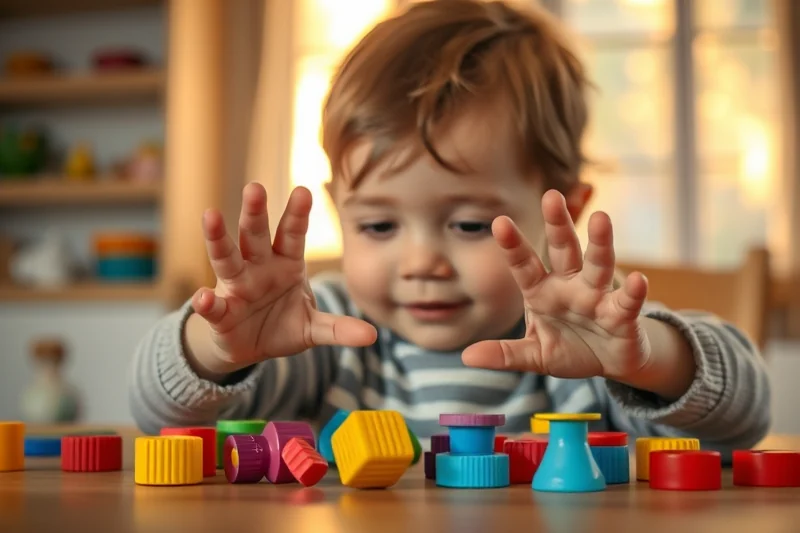
I’ve found that movement-based screen-free activities are not only great for kids’ health but also for their development. When my kids are running, jumping, or dancing, they’re not just burning off energy—they’re building coordination, strength, and confidence. One of my favorites is a simple 'dance party' where we blast our favorite songs and dance together. It’s not only fun, but it also helps kids develop rhythm and body awareness.
Another activity I love is a scavenger hunt that requires kids to move around the house or neighborhood. I once created one with a list of items to find, like a green item, a round object, or a piece of paper. It was a hit with my kids and got them moving and thinking at the same time.
The best part about these kinds of activities is that they can be done anywhere, anytime. Whether you’re at home, in the park, or even on a walk, you can turn any moment into a screen-free, movement-based learning opportunity.
Move your body, move your mind.
Related: Simple Screen Free Activities Routines Schedules
Related: Best screen free activities routines
Related: Screen-free Activities Budget Printable
Related: Screen free activities routines checklist
Related: Diy screen free activities routines
Related: Screen-free Activities Routines On A Budget
Related: Is Screen Recorder Free
Related: Easy Screen-free Activities Routines
Related: Screen-free Activities Stage On A Budget
The Magic of Nature: Screen-Free Routines That Bring Kids Outside
I have a rule in our house: at least one hour every day has to be spent outside. Whether it’s playing in the yard, going for a walk, or just sitting on the porch, being in nature is one of the most powerful screen-free routines I’ve ever implemented. Nature doesn’t require any expensive equipment or setup—it just requires a willingness to be present.
One of my favorite nature-based activities is a 'bug hunt.' We take a magnifying glass, a notebook, and a pencil, and we go outside to see what we can find. It’s not only educational, but it also gets kids curious and excited about the world around them. I’ve seen my kids spend hours on the ground, looking for insects, leaves, and rocks, and I’ve never seen them more engaged.
Being in nature also helps kids develop patience, focus, and a deeper connection to the environment. It’s one of the best ways to keep kids off screens and into the real world.
Try to set a specific time each day for being outside, even if it’s just 15 minutes. This helps kids form a habit and look forward to it.[2]
“I remember the first time I tried to implement a screen-free routine with my 5-year-old and 2-year-old twins.”— Screenlesshome editors
Creative Time: Screen-Free Routines That Encourage Imagination

I’ve found that creative time is one of the most valuable screen-free routines for kids. Whether it’s drawing, painting, or building with blocks, these activities help kids express themselves and explore their creativity. I once had a week where we only did art, and I was amazed at how much my kids were able to create and learn.
One of my favorite activities is a 'collage day,' where we collect items from around the house and use them to create a collage. It’s not only fun, but it also teaches kids about textures, colors, and composition. I’ve seen my kids create beautiful collages using paper, fabric, and even leaves.
These kinds of activities don’t require any expensive materials. A few markers, a blank piece of paper, and a little imagination are all you need. It’s one of the best ways to keep kids off screens and into a world of creativity.
Don’t be afraid to step back and let your kids take the lead. Sometimes the most creative ideas come from them, not you.
Learning Through Storytelling: Screen-Free Routines That Build Language Skills
Storytelling is one of the best screen-free activities I’ve ever discovered. It doesn’t require any expensive materials or setup—it just requires a little time and a lot of imagination. I’ve found that when we read together or create our own stories, my kids are more engaged and more expressive.
One of my favorite activities is a 'story swap' where we take turns making up a story. It’s not only fun, but it also helps kids develop their language skills and creativity. I’ve seen my kids come up with some of the most imaginative stories I’ve ever heard, and it’s been a joy to watch them grow.
Storytelling is also a great way to bond with your kids. Whether you’re reading a book together or creating your own story, it’s a time for connection and learning. It’s one of the best ways to keep kids off screens and into the world of imagination.
⭐ Classic
A traditional nature collage with paper, glue, and found items.
💰 Budget
Use only items you have at home, like paper, fabric, and leaves.
⚡ Extra-Fast
A quick collage using only paper and markers, no glue or extra materials.
✨ Depth
Add more layers and textures with fabric, ribbon, and natural elements.
🥗 Light
Use only light materials like paper and leaves for a simple, low-impact project.
| The mistake | Why it happens | The fix |
|---|---|---|
| Trying to force too many activities at once | This can overwhelm both parents and kids, making screen-free time feel like a chore. | Start with one or two simple activities and build from there. Let kids choose what they want to do. |
| Not being present during screen-free time | Kids need your attention and engagement to truly benefit from screen-free time. | Make sure to be fully present during screen-free activities. This helps build connection and makes the time more meaningful. |
| Using screens as a reward | This can make screen-free time feel like a punishment, which can backfire. | Avoid using screens as a reward for screen-free time. Instead, make screen-free time its own reward by making it fun and engaging. |
| Not allowing kids to take the lead | If kids feel like they don’t have control over screen-free time, they may resist it. | Let kids choose what they want to do during screen-free time. This helps them feel more invested and excited about it. |
What You'll Need tap to check off
- 1 sheet large piece of paper
- 1 box markers
- 1 bag leaves or flowers
- 1 sheet fabric scraps
- 1 piece ribbon or yarn
- glue (optional)
Method tap a step when done
- Gather all the materials you need, including a large piece of paper, markers, leaves, fabric, ribbon, and glue if desired.
- Let your kids explore the materials and choose what they want to use for their collage.
- Help them glue the items onto the paper if they want, or let them tape them on for a messier but more creative experience.
- Once the collage is complete, let them share their creation with the family.
- Display the collage in a place where it can be seen and admired.
Key Facts
Budget Screen-free Activities Routines
Common Questions
What if I don’t have a lot of materials at home?
Can these activities be done with very young children?
How can I keep my kids interested in screen-free activities?
What if my kids are resistant to screen-free time?
Cite this guide
Screenlesshome (2026). Budget Screen-free Activities Routines. https://screenlesshome.com/budget-screen-free-activities-routines/[3]
Feel free to cite or share this guide.
References
- Associations Between Screen Time Use and Health Outcomes ... (cdc.gov)
- Supporting Children's Learning Through Play - ChildCare.gov (childcare.gov)
- Using Visible Thinking Routines in the Language Classroom (americanenglish.state.gov)
- Screen Free Week 2025 – Community Education - Cornell blogs (blogs.cornell.edu)
- Early Childhood Screen Time Reduction Facilitator Guide (canr.msu.edu)