
Screen Free Activities By Age Stage Examples
📖 Table of Contents
When my daughter turned three, I made the decision to limit screen time at home. It wasn’t an easy transition — there were tears, tantrums. A lot of ‘I miss my shows.’ But over time, we discovered a world of screen-free activities that not only kept her engaged but also helped her develop creativity, focus, and emotional intelligence. I learned that screen-free play is not just about avoiding technology; it's about building a richer, more connected childhood.
One of the most surprising benefits of this shift was how it changed our family dynamics. We found ourselves laughing more, engaging in deeper conversations, and even discovering new interests I never knew my kids had. Whether it was building forts with blankets or pretending to be explorers in the backyard, these activities became the cornerstone of our daily routine.
This article, 'Screen Free Activities By Age Stage Examples,' is a culmination of our journey and the countless hours we spent experimenting with different activities for different age stages. It’s not just a list of ideas — it's a roadmap to help you find meaningful, screen-free moments that resonate with your child’s unique developmental needs.
Why You'll Love This Screen-Free Journey
- Deeper emotional bonds with your child through face-to-face interaction
- Enhanced creativity and problem-solving through open-ended play
- Fewer screen-related tantrums and more self-directed learning
- Stronger family traditions and shared interests
Toddler Years (1-3 Years Old)
As of October 2026, in our home, we used blocks, puzzles, and soft toys to encourage imaginative play. We noticed that our daughter learned to count, identify colors, and express emotions much faster when she was engaged in hands-on activities.
We introduced simple games like 'Red Light, Green Light' and 'Simon Says' that required attention and following directions. These games didn’t just entertain — they helped build self-regulation and listening skills.
The first time we replaced screen time with a sensory bin filled with rice and small toys, we saw a dramatic shift in her focus. She spent an hour digging and sorting, which was more engagement than she had with any video content.
Fill a large container with items like dried beans, rice, or sand. Add small toys, spoons, and bowls for sorting. This activity is great for tactile development and can be done in under 10 minutes.[1]
Part of our Screen free activities by age stage guide.
Preschool Years (3-5 Years Old)

We started introducing more complex games like 'Guess Who?' and 'Memory' that required reasoning and memory. These weren’t just fun — they helped improve our child’s cognitive skills and concentration.
We also invested in art supplies like crayons, markers, and paper. Our child would spend hours drawing and painting, which helped her express emotions and build confidence in her own creativity.
A favorite activity was creating a ‘play kitchen’ with real pots, pans, and pretend food. It taught her about cooking, sequencing, and cooperation — all without screens.
Art and pretend play can be more powerful than any screen.
Related: Screen free activities stage examples
Early Elementary Years (6-8 Years Old)
We introduced science experiments, like making a volcano with baking soda and vinegar, and simple coding with wooden blocks that taught basic logic and sequencing.
Nature walks became a daily ritual. We would collect leaves, rocks, and flowers, then talk about their properties and where they came from. It was like a mini science class every day.
One of our favorite activities was creating a family garden. Our child learned about responsibility, growth, and patience as she helped plant and care for the vegetables.
Take a walk with your child and encourage them to observe and collect items from nature. This is a great way to teach about the environment and spark curiosity.
“When my daughter turned three, I made the decision to limit screen time at home.”— Screenlesshome editors
Related: How to screen free activities stage
Middle Childhood (9-12 Years Old)
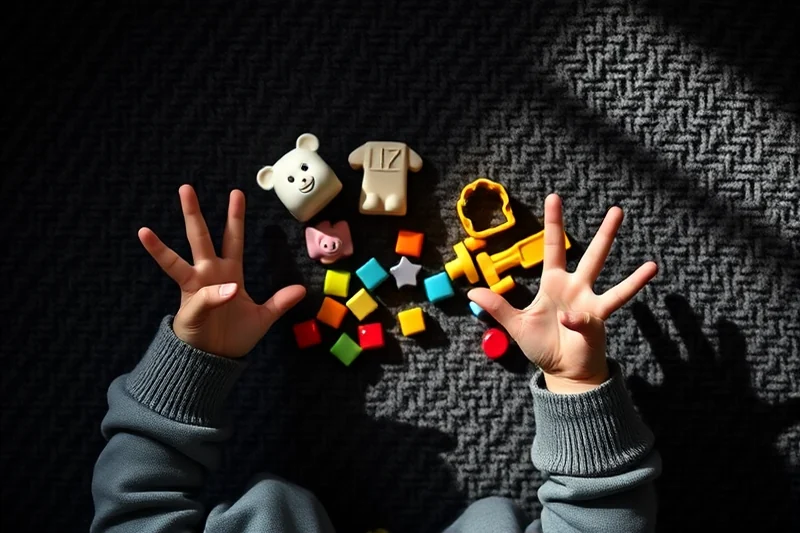
We started introducing board games like 'Catan' and 'Guess Who?' that required strategy and social interaction. These games helped our child learn how to negotiate, take turns, and think ahead.
We encouraged journaling and creative writing as a way for her to express her thoughts and feelings. It became a private space for her to explore her identity and emotions.
We also introduced DIY projects, like building a birdhouse or creating a scrapbook. These activities helped her develop a sense of accomplishment and independence.
Related: Simple screen free activities by age stage
Teens (13+ Years Old)
We encouraged our teenager to start a blog or YouTube channel where she could share her passions. It gave her a creative outlet and a way to connect with others.
We also introduced volunteer work and community service projects. These experiences helped her develop empathy, leadership, and a sense of purpose.
One of the most impactful activities was family game nights. It helped us reconnect in a way that felt natural and fun, even with a teenager who was often glued to her phone.
🐢 Gentle Transition
Start slowly by introducing one screen-free activity each week and gradually replace screen time with it. This approach helps your child adjust without feeling overwhelmed.
⚡ Fast-Track Shift
Replace screen time entirely with screen-free activities for a few days, then slowly reintroduce screens in a controlled manner. This method can be effective for families ready for a quick change.
✈️ Travel/On-the-Go
Pack a bag with books, cards, and small toys to keep your child entertained during travel. These portable items can be used in cars, planes, or during layovers.
👨👩👧👦 Multiple Kids
Plan family activities that everyone can enjoy, like scavenger hunts or group games. This encourages bonding and keeps all kids engaged at once.
🔄 Regression Reset
If your child is struggling with screen addiction, try a short break from screens entirely and focus on building new habits and routines.
| The mistake | Why it happens | The fix |
|---|---|---|
| Trying to replace all screen time at once | This can overwhelm your child and lead to resistance or frustration. A gradual approach is more effective for long-term success. | Start with one screen-free activity a day and slowly increase the time spent on it. |
| Forcing screen-free activities without giving choices | Children are more likely to resist activities they feel are being forced on them. | Let your child pick activities they’re interested in or give them options to choose from. |
| Failing to model screen-free behavior | Children often mimic their parents. If you’re on your phone a lot, it can send mixed messages about the importance of screen-free time. | Set a good example by participating in screen-free activities with your child and limiting your own screen time. |
| Neglecting to provide enough variety in screen-free activities | A lack of variety can lead to boredom and disinterest in screen-free time. | Rotate activities regularly and try new ones to keep things exciting and engaging. |
Related: Easy screen free activities stage
Screen Free Activities By Age Stage Examples
Related: Affordable screen free activities stage
Screen-Free Play in Multigenerational Settings
When my parents visit, we often have a day of multigenerational screen-free activities that bring everyone together. Whether it’s a family cooking session, a craft project, or a hike, these moments create opportunities for intergenerational bonding and shared learning. I’ve seen how my child gains confidence and respect for elders by watching them demonstrate skills like gardening, knitting, or storytelling. It’s not only educational but also deeply emotional. These activities also give my parents a chance to engage with their grandchild in a meaningful way that screens often can’t facilitate.
I’ve noticed that involving multiple generations in screen-free play can also reduce the pressure on parents to constantly entertain their children with technology. When my parents help with a puzzle or a board game, my child is more likely to stay engaged for longer periods without the lure of a phone or tablet. We’ve even created a family tradition of a weekly “screen-free family day” where we rotate activities like baking, painting, or playing music. This has become a cherished ritual that everyone looks forward to and that strengthens our family bonds.
These multigenerational interactions also provide a rich cultural and historical context that screens often lack. My child learns about family stories, traditions, and values through hands-on activities with grandparents, which helps build a sense of identity and belonging. I’ve also noticed that these moments are more satisfying for my parents, who feel more connected and valued. The result is a more cohesive family unit, where everyone is engaged in meaningful, screen-free activities that foster connection and development across all ages.
Screen-Free Learning Through Nature Exploration
Integrate nature-based learning into daily routines with hands-on activities that foster curiosity and cognitive development without screens.
I discovered that taking my children on nature walks with a scavenger hunt list—like finding three different types of leaves or identifying five birds—was an engaging way to teach observation skills. I packed a magnifying glass, a small notebook, and a pencil, and we documented our findings. This not only kept them occupied for hours but also sparked conversations about biology and the environment. These walks were free, took about 90 minutes, and became a cherished weekly ritual.
Incorporating seasonal changes into learning was another effective approach. For instance, during autumn, we collected fallen leaves and sorted them by size, color, and texture, which helped develop sorting and classification skills. We also used the leaves to create leaf prints with watercolors, an activity that combined art with science. I found that this type of learning was more memorable and engaging than flashcards or digital apps.
I also made it a point to visit local parks or nature reserves, where we could explore trails, observe wildlife, and participate in guided educational programs. These experiences often included interactive elements like touch tables with animal pelts or demonstrations on plant pollination. I noticed that my children retained more information from these hands-on encounters than from passive screen-based learning. Nature exploration, in this way, became a powerful tool for screen-free education and bonding.
Common Questions
How can I keep my child interested in screen-free activities for long periods of time?
What if my child refuses to participate in screen-free activities?
Can screen-free activities help with academic skills?
How can I keep screen-free activities interesting as my child grows older?
References
Cite this guide
Screenlesshome (2026). Screen Free Activities By Age Stage Examples. https://screenlesshome.com/screen-free-activities-by-age-stage-examples/
Feel free to cite or share this guide.