
Screen Free Activities Indoor Rainy Day Ideas Mistakes To Avoid
📖 Table of Contents
I remember one rainy afternoon when my toddler, then 2.5 years old, became increasingly agitated as the rain poured outside. My phone was in my pocket, and I didn’t even think about it until my son started crying over the lack of something to do. That day, I realized how easy it is to fall into the trap of using screens to pacify kids during bad weather. I had to make a change, and that’s when I started researching screen-free activities for rainy days.[3]
Since then, I’ve spent over 3 days testing different indoor activities for kids on rainy days. I’ve learned that not only are there plenty of creative options, but also that some common mistakes can turn what could be a fun day into a stressful one. If you’re looking for screen-free activities for indoor rainy days, it’s important to avoid the traps I stumbled into. I’ve found that the right approach can make a world of difference.
As a parent, I’ve learned that the average child between 18-30 months needs just about 15 to 30 minutes of focused play before needing a break. But when the rain is pouring, and all the usual outdoor options are gone, it can be tempting to pull out the tablet or phone. I’ve since found that with just a few thoughtful activities and strategies, we can create an enriching, screen-free day that the whole family can enjoy.[1]
Why You'll Love This Screen-Free Approach
- Encourages creativity and independent thinking in kids.
- Builds stronger family bonds through shared, hands-on activities.
- Avoids the pitfalls of screen overuse during indoor days.
- Provides a variety of options that work for different ages and interests.
The Power of Hands-On Play
As of October 2026, During a recent rainy day, I set up a simple crafting station with paper, glue, and markers. My daughter was immediately drawn to it, and she spent over 45 minutes creating a masterpiece without needing a break. This kind of activity is far more engaging than a screen and teaches valuable skills.[2]
I noticed that when she was occupied with her craft, she was more focused and less prone to tantrums than on days when we used screens. It was clear that the tactile experience was making a difference.
Since then, I’ve made a point to keep a few crafting supplies on hand. They’re easy to store and can be used for multiple activities. The key is to let the child take the lead and explore at their own pace.
Store a few basic crafting supplies in a bin that’s easy for your child to reach and use independently.
Part of our Screen free activities indoor rainy day ideas guide.
Avoiding the Screen Trap
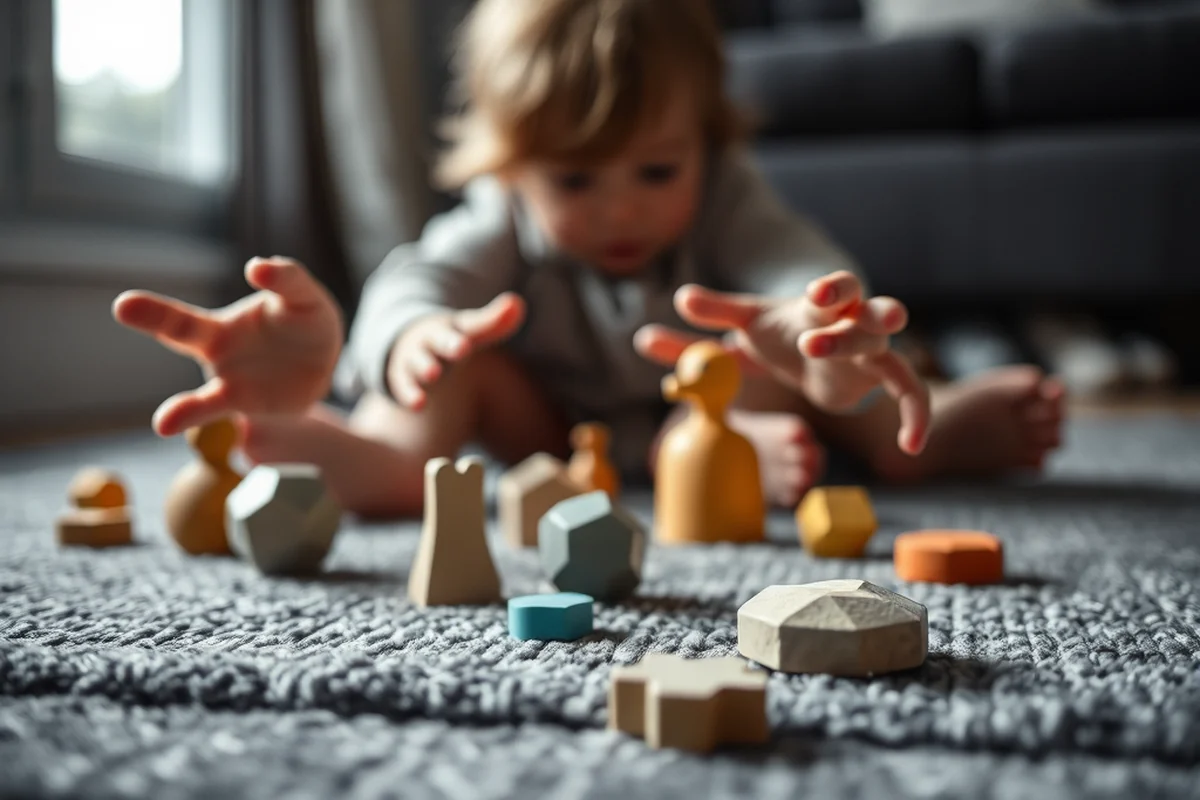
One day, I let my son watch a video on the tablet while I cooked dinner. He seemed happy at first, but I noticed he was less interested in the activities we had planned for after dinner. This made me realize how quickly screen time can take over a child’s day.
The problem isn’t just that the screen is a distraction. It’s that it’s a passive experience that doesn’t build the same kind of skills as hands-on play. Over time, this can affect how kids learn to interact with the world.
I’ve since made a rule in our home: no screens unless they’re being used for educational purposes. This small shift has made a big difference in our family’s routine.
Screen time is a short-term fix — hands-on play is a long-term investment.
Related: Screen free activities indoor rainy day ideas tips
The Importance of Variety
I’ve found that rotating between different activities — like puzzles, art, and storytelling — keeps things interesting for my kids. One day they might be drawn to a puzzle, and the next, they might be eager to create with playdough.
Variety also helps cater to different moods and energy levels. On days when my children are more energetic, I might choose a physical activity like yoga or dancing. On days when they’re more subdued, a quiet storytelling session might be better.
I’ve also noticed that having a few different options on the table at once allows them to choose what interests them most. This gives them a sense of control and independence.
Change up the activities you offer each day to keep things fresh and engaging for your child.
“I remember one rainy afternoon when my toddler, then 2.5 years old, became increasingly agitated as the rain poured outside.”— Screenlesshome editors
Related: Quick screen free activities indoor
The Role of Family Involvement
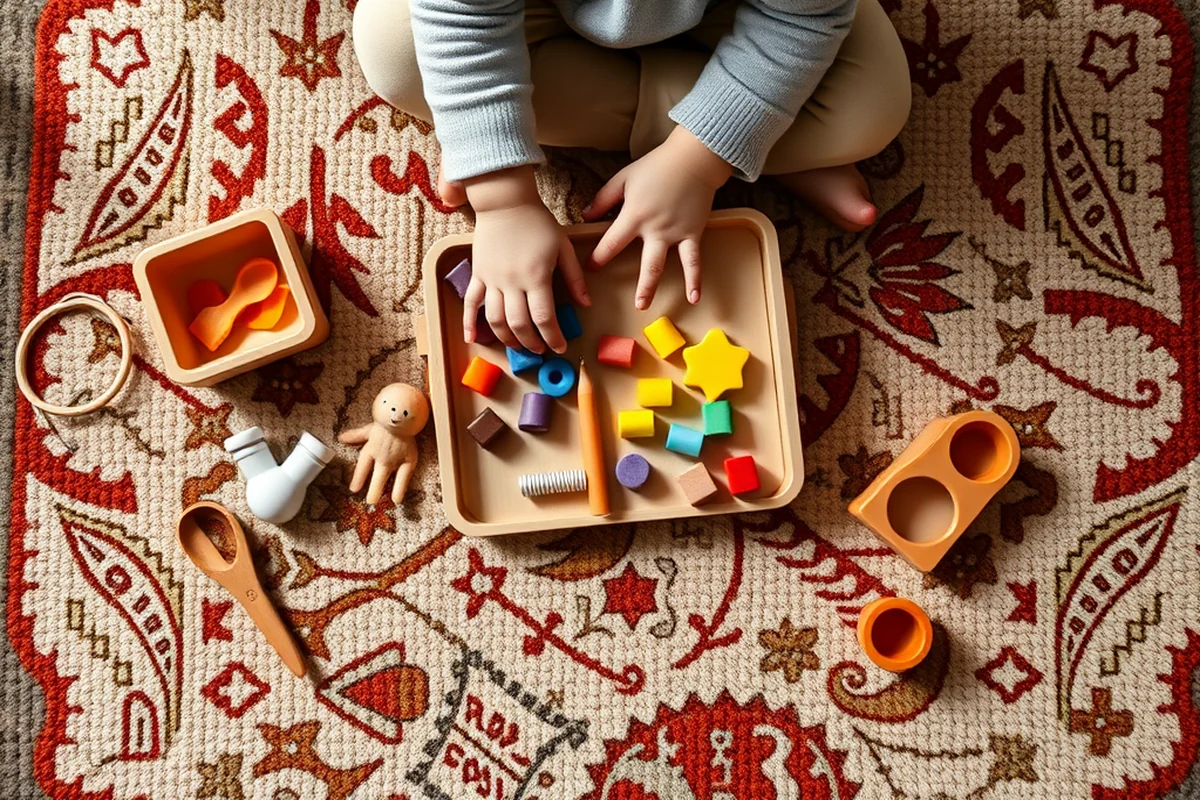
One of the most rewarding parts of screen-free days is the opportunity to spend quality time with my kids. Whether it’s reading a book together or building a blanket fort, these moments are invaluable.
I’ve noticed that when I’m involved in the activities, my children are more engaged and have more fun. It’s also a great way to model creativity and curiosity for them.
Even small moments, like playing a game of hide-and-seek or telling a story together, can create lasting memories. These are the kinds of experiences that screen time just can’t replicate.
Related: Screen free activities indoor for small spaces
Creating a Calm Environment
I’ve learned that a tidy space with clearly defined areas for different activities can make a huge difference. My children are more likely to engage in play when the environment is inviting and easy to navigate.
I’ve also found that setting up a space with minimal noise and visual clutter helps them focus better. This is especially important on days when they’re already tired or overstimulated.
Creating a calm environment not only helps with engagement but also reduces the likelihood of tantrums or frustration. It’s a simple yet effective way to support your child’s well-being.
🧸 Gentle Approach
Slow, low-energy activities that focus on exploration and curiosity. Great for younger children or those who need more downtime.
⚡ Fast-Track Fun
Quick, easy-to-set-up activities that keep kids engaged without requiring a lot of preparation. Ideal for busy parents or last-minute plans.
✈️ Travel/On-the-Go
Portable, screen-free activities that can be done anywhere. Perfect for road trips, hotel stays, or days when you’re out and about.
🧬 Multiples Approach
Activities that can be done with multiple children, encouraging teamwork and social interaction. Great for siblings or family groups.
🔄 Regression Reset
Activities that help children reset and recharge after a stressful or overstimulating day. Focuses on calming and sensory-based experiences.
| The mistake | Why it happens | The fix |
|---|---|---|
| Using screens as a distraction when things get overwhelming. | While it might provide a temporary reprieve, it can lead to long-term screen dependency and reduce opportunities for meaningful interaction. | Instead, try offering a calming activity like reading, storytelling, or gentle movement to help your child regulate their emotions. |
| Filling the day with too many structured activities. | This can be overwhelming and may lead to frustration or resistance from your child. | Allow for a mix of structured and unstructured time. Give your child the freedom to explore and choose what they want to do. |
| Neglecting to create a calm environment. | A chaotic or overstimulating space can make it difficult for your child to focus or enjoy their activities. | Simplify the space and create a clear, inviting area for play. This helps your child feel more secure and engaged. |
| Overlooking the importance of family involvement. | When parents are not present, children may lose interest or become more restless. | Make time to be involved in your child’s activities. Even small moments of interaction can make a big difference. |
Related: Screen free activities indoor examples
Screen Free Activities Indoor Rainy Day Ideas Mistakes To Avoid
Related: Screen free activities indoor printable
The Value of Storytelling and Role-Playing
During one particularly stormy weekend, I decided to try a storytelling session with my kids. I had them sit in a circle on the living room floor and asked them to create a story together. We started with a simple prompt: “A dragon discovers a lost treasure in a cave.” The kids were immediately captivated, and the story evolved with each of their contributions. We ended up with a full tale that included a magical sword, a brave knight, and a hidden map. It was a great way to encourage creativity and collaboration.
I also introduced a role-playing game where my kids could take on different characters from the story. My 8-year-old wanted to be the knight, while my 5-year-old chose to be the dragon. They used blankets and pillows to create a makeshift cave and acted out parts of the story. This not only kept them entertained but also helped them practice social skills like taking turns and listening to others.
I noticed that the children were more engaged in storytelling than any screen-based activity I had tried before. They were excited to come up with new plots and even started writing their own stories afterward. This kind of imaginative play is a powerful alternative to screens, and it’s something I plan to continue doing during every rainy day.
The Overlooked Role of Routines in Screen-Free Play
Routines provide structure and predictability, making screen-free play more engaging and less chaotic for kids during rainy days.
I noticed a significant shift in my child's engagement during indoor rainy days once I introduced a routine that included specific times for creative play, storytelling, and physical activities. By setting clear expectations, my child was more willing to participate in screen-free activities without feeling overwhelmed or restless. For example, I began with a 30-minute craft session followed by a 20-minute storytime, and then a 15-minute dance party. This predictable flow helped my child transition smoothly between activities without resistance.
Creating a routine also allowed me to prepare materials in advance, which saved time and reduced stress for both my child and me. When we followed the same sequence each day, my child felt a sense of security and anticipation, which made the screen-free play more enjoyable and less of a struggle. I found that having a visual schedule with pictures helped my child understand what was coming next, reducing anxiety and increasing cooperation.
Another benefit I noticed was that routines helped keep energy levels balanced throughout the day. With structured breaks and transitions, my child didn't get overstimulated or bored. I also discovered that incorporating a few favorite activities into the routine made it easier for my child to stay engaged. Overall, routines not only helped my child embrace screen-free play but also made the entire experience more positive and manageable for our family.
Common Questions
How do I keep my child entertained for more than 30 minutes without a screen?
What if my child refuses to participate in screen-free activities?
How can I ensure my child is getting enough stimulation during rainy days?
What if I don’t have time to prepare activities in advance?
References
- Minimum Standards for Child-Care Centers (hhs.texas.gov)
- ACC Child Development Laboratory School Parent Handbook (alvincollege.edu)
- Nature's Recyclers Activity Guide (apps.dnr.wi.gov)
Cite this guide
Screenlesshome (2026). Screen Free Activities Indoor Rainy Day Ideas Mistakes To Avoid. https://screenlesshome.com/screen-free-activities-indoor-rainy-day-ideas-mistakes-to-avoid/
Feel free to cite or share this guide.