
Screen-free Activities Phases Ideas
📖 Table of Contents
When my son turned two, I realized that our days were no longer filled with spontaneous play, but rather a blur of screens—educational videos, apps, and cartoons. I felt a knot in my stomach as I watched him stare at the tablet for hours on end, and I knew I had to make a change. This is when I began exploring screen-free activities. Through trial and error, I discovered a structured, phased approach that brought our family back to the kind of connection and joy we had before screens took over.
The journey toward screen-free living wasn’t easy. There were days when I felt like I was fighting a losing battle, and nights when I questioned whether I was overstepping. But as I began to implement screen-free activities in phases, I saw a shift—not just in my child’s behavior, but in the overall mood and energy of our home. It wasn’t about banning screens completely, but about giving our family the tools to engage with the world in a different, richer way.
Screen-free activities phases ideas have become the backbone of our family’s routine. From sensory play in the early stages to imaginative play and social engagement as we progress, each phase offers a unique opportunity to grow, connect, and explore. These phases are not just about reducing screen time—they’re about creating a more balanced, intentional, and joyful lifestyle for our kids and families.
Why You'll Love This Screen-Free Journey
- Increased family bonding through interactive play
- Stronger cognitive and social development in children
- Reduced anxiety and better sleep patterns in the household
- More time for creativity and physical activity
The First Phase: Sensory Exploration
As of October 2026, During the first phase, we focused on sensory play as a way to help my son explore the world with his hands, feet, and eyes. We set up a sensory table with items like rice, beans, and water, allowing him to dig, pour, and explore freely. This was not only entertaining but also crucial for developing fine motor skills and hand-eye coordination.
I remember the first day we set up the sensory table—within minutes, he was completely absorbed, giggling as he poured water from one container to another. It was incredible to see how quickly he engaged with the materials, and how little he needed in terms of direction or instruction. All I had to do was watch and encourage.
Sensory exploration doesn’t require expensive materials. A few bins, some water, and a few natural items like leaves, pebbles, and dried pasta were enough to create hours of fun. This phase is essential for building a foundation of curiosity and engagement that can carry through to the other phases of screen-free living.
For under $20, you can create a simple sensory table with a bin, a small container, and a handful of natural or safe materials. Start with water, beans, or dry pasta for a low-mess option.[1]
Part of our Screen free activities troubleshooting phases guide.
Phase Two: Imaginative Play and Storytelling
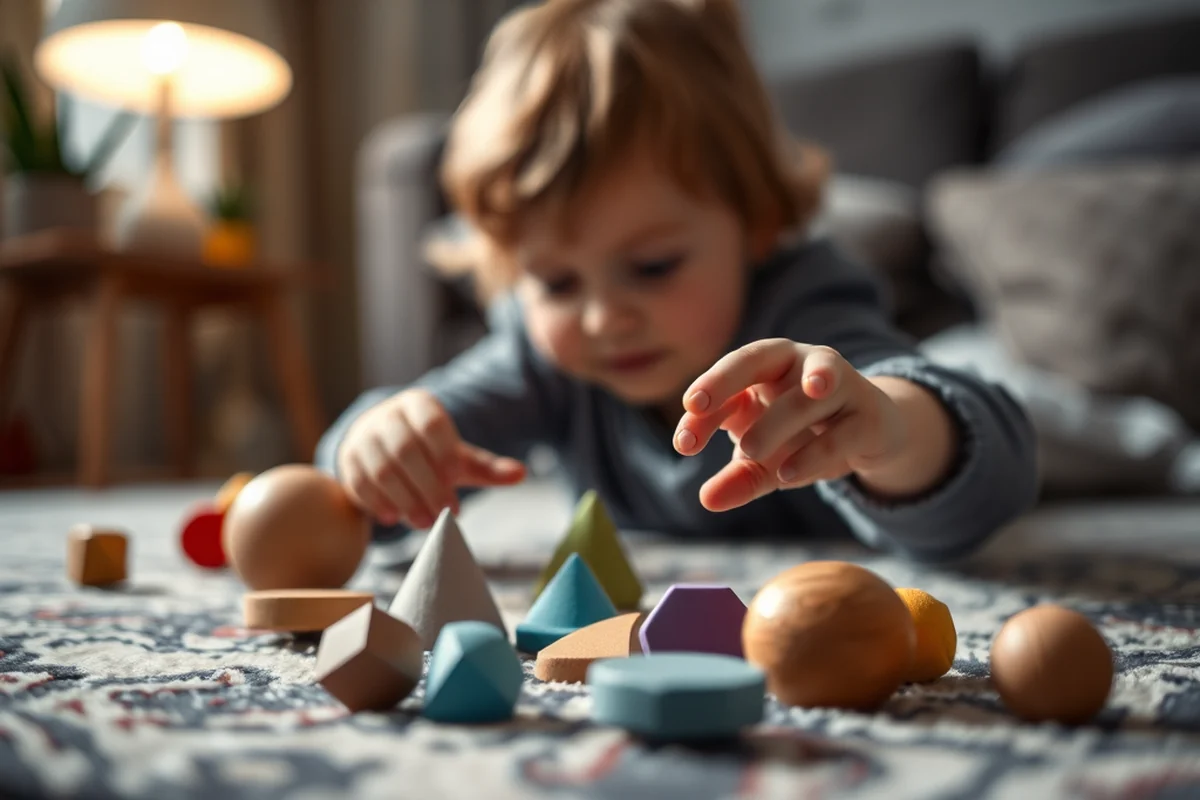
In phase two, we transitioned from sensory exploration to imaginative play, using items like dress-up clothes, blocks, and simple toys to spark creativity. We introduced storytelling sessions, where we would create short stories together, and take turns adding lines or actions to the tale.
This phase was a game-changer for our family. We discovered that my son loved pretending to be a superhero, a doctor, or a chef—each role opening up a new world of pretend and imagination. We even created a small ‘play kitchen’ with wooden utensils and pretend food, which became a daily ritual.
Imaginative play requires minimal investment and can be adapted to almost any environment. A few dress-up items and a box of props can transform a living room into a space for endless creativity and learning.
Imagination is the only weapon in the war against reality. — Mark Twain
Related: Screen free activities troubleshooting phases mistakes to avoid
Phase Three: Social and Collaborative Play
Phase three was all about building social skills through collaborative play. We introduced activities that required teamwork, like building with blocks, playing board games, or even cooking together (with safe, child-friendly ingredients). These activities taught my son how to share, take turns, and communicate effectively.
One of our favorite activities during this phase was a simple block-building challenge where we would each build a tower, then combine them into one. It was amazing to see how quickly he learned to negotiate, compromise, and celebrate each other’s successes.
Collaborative play can be as simple as a family board game or a shared art project. These activities not only fostered social development, but also made our time together more meaningful and enjoyable.
A simple board game or a set of building blocks can be all you need for collaborative play. Choose activities that encourage sharing and problem-solving for the best results.
“When my son turned two, I realized that our days were no longer filled with spontaneous play, but rather a blur of screens—educational videos, apps…”— Screenlesshome editors
Related: Screen free activities troubleshooting for small spaces
Phase Four: Nature and Outdoor Exploration

Phase four was all about getting outdoors. We started taking daily walks in the neighborhood, collecting leaves, stones, and pinecones to bring home. We even planted a small garden, which became a focal point of our family’s routine.
Being outdoors had an immediate impact on our mood and energy. My son became more active, more curious, and more engaged with the world around him. We started noticing birds, insects, and the changing colors of the trees, which sparked endless conversations and questions.
Outdoor exploration doesn’t require any special equipment—just a willingness to explore and a few basic items like a small shovel or a bucket for collecting items. Nature is the perfect teacher, and it’s free for everyone to enjoy.
Related: Simple screen free activities troubleshooting phases
Phase Five: Reflection and Reinforcement
In phase five, we began reflecting on our screen-free journey, discussing what we had learned and how we had grown as a family. We created a small ‘screen-free wall’ where we would post notes about our successes, like ‘Today we played for 2 hours without any screens!’ or ‘We built a tower together!’
This phase was crucial in helping us stay motivated and celebrate our progress. It allowed us to see the positive changes we had made and reinforced the value of our screen-free lifestyle. We also started setting small goals, like ‘Try one new activity this week’ or ‘Have a screen-free movie night with no electronics at all.’
Reflection and reinforcement are powerful tools that help families stay on track. Taking time to acknowledge achievements and plan for the future keeps the screen-free journey engaging and meaningful.
🧘 Gentle Transition
A slow, steady approach that introduces screen-free activities gradually, making it easier for both kids and parents to adapt.
⚡ Fast-Track Shift
A quick and decisive approach to screen-free living, ideal for families ready to make a change and commit fully.
🌲 Travel/Outdoor Adaptation
A screen-free plan that’s easy to bring along on trips or during outdoor excursions, making it flexible and portable.
👶 Multiple Children
A screen-free approach tailored for families with multiple kids, offering activities that are engaging for all ages.
🔄 Regression Reset
A plan for families who have struggled with screen overuse and want to reset their routines and habits from scratch.
| The mistake | Why it happens | The fix |
|---|---|---|
| Trying to eliminate all screens at once | This can be overwhelming for both parents and children, leading to resistance and frustration. | Introduce screen-free activities gradually and build up to a full transition over time. |
| Not allowing enough time for the child to adjust | Children need time to get used to new routines and activities. Rushing the process can lead to setbacks. | Be patient and give your child time to explore and learn new ways of playing and interacting. |
| Ignoring the child’s preferences and interests | Activities that don’t align with the child’s interests are less likely to be successful or enjoyable. | Involve your child in the planning process and choose activities that match their interests and strengths. |
| Not setting clear boundaries or rules | Without clear boundaries, it can be difficult to maintain a screen-free lifestyle and prevent screen overuse. | Establish simple, clear rules about screen use and consistently enforce them, even on days when it’s challenging. |
Related: Quick screen free activities troubleshooting phases
Screen-free Activities Phases Ideas
Related: Screen free activities phases mistakes to avoid
Phase Six: Creative Expression Through Art and Music
This phase focuses on encouraging children to express themselves through drawing, painting, and music without the influence of screens.
During this phase, I introduced my daughter to a variety of art supplies such as watercolors, clay, and markers. We spent about 30 minutes each day on creative projects, which helped her develop fine motor skills and emotional expression. I noticed that she became more confident and willing to share her thoughts and feelings through her artwork.
In addition to visual arts, we explored music by playing simple instruments like drums, shakers, and xylophones. We set aside 20 minutes every evening for a family music session, where we would take turns creating rhythms and songs. This not only enhanced her auditory skills but also strengthened our family bond and gave her a sense of accomplishment.
I also found that incorporating themes like nature, emotions, or stories into art and music sessions deepened her engagement. For example, we created a collage about her favorite animal and composed a short song about her day at school. These activities became a way for her to reflect on her experiences and express herself in a meaningful way without the need for screens.
Phase Seven: Skill Development Through Hands-On Learning
Phase Seven focuses on integrating activities that promote fine and gross motor skills, problem-solving, and cognitive development without screens. I've found that simple tasks like cooking with kids, building with blocks, or even folding laundry can have a profound impact on their development. These activities not only teach practical life skills but also encourage patience and perseverance. For example, I once spent an afternoon teaching my son how to tie his shoes using a step-by-step method I found online, and it was incredibly rewarding to see his confidence grow.
Hands-on learning also includes puzzles, sorting games, and STEM-based activities that challenge kids to think critically. I’ve used wooden puzzles and magnetic tiles with my children, and I noticed a marked improvement in their spatial reasoning and attention to detail. These activities are not only educational but also highly engaging, especially when done together as a family. The key is to let the child lead the activity and encourage them to explore and make mistakes without fear.
I've also incorporated DIY projects like making bird feeders or simple crafts, which teach kids about materials, tools, and sustainability. These activities are budget-friendly and can be done with items around the house. It's amazing how much learning can happen through hands-on experiences. I've seen my children's problem-solving abilities flourish through these activities, and it's given me peace of mind knowing they're developing skills that will serve them well in the future.
Common Questions
How long does it take to see results from a screen-free lifestyle?
What if my child resists screen-free activities?
Can screen-free activities be done on a budget?
How can I handle screen use during busy days or when I’m out of the house?
References
- Georgia's Pre-K Program Content Standards (decal.ga.gov)
Cite this guide
Screenlesshome (2026). Screen-free Activities Phases Ideas. https://screenlesshome.com/screen-free-activities-phases-ideas/
Feel free to cite or share this guide.