
Screen Free Activities Troubleshooting Phases Guide
📖 Table of Contents
The first time I tried to go screen-free for our family, I thought I was ready. I had a list of activities, a calendar of plans, and a vague hope that my kids would be happy. What I didn’t realize was that this journey wasn’t just about replacing screens with toys — it was about handling the emotional and social phases that come with it. My 7-year-old sat quietly with a book for 10 minutes, then looked at me with eyes full of confusion and asked, 'Why can’t we just watch a show?' That moment became the start of my screen-free activities troubleshooting phases guide.[1]
This guide is not a one-size-fits-all solution. It’s the result of over a year of trial and error, late-night conversations with my children, and a lot of failed attempts at making art, building forts, and pretending to be pirates. I’ve learned that screen-free living isn’t just about what you do — it’s about what you’re trying to avoid and how you handle the pushback that comes with it. This article is for parents who are ready to troubleshoot their screen-free journey with real strategies, not just well-meaning advice.
I’ve found that screen-free living doesn’t happen in a straight line. It’s more like a rollercoaster — there are dips, climbs, and unexpected twists. My kids went through phases where they resisted, where they embraced, where they tested limits and where they asked for a break. This guide walks you through those phases, and gives you practical, actionable steps to move forward, whether you’re just starting or have been going screen-free for months.
Why You'll Love This Screen-Free Activities Troubleshooting Phases Guide
- You’ll get a clear roadmap for the emotional and behavioral shifts that happen when screens are removed.
- You’ll learn how to handle pushback with empathy and practicality, not frustration.
- You’ll discover real-life strategies that have been tested with children of all ages and temperaments.
- You’ll gain confidence in managing screen-free activities without falling back into old habits.
Phase 1: The Shock and Resistance
As of October 2026, when I first removed screens from our home, my 10-year-old daughter went through a full-blown meltdown. She screamed, cried, and even smashed a toy she hadn’t touched in months. It was shocking, but I realized it was a normal response to a big change. This phase usually lasts 2-3 days, and it’s the first of many troubleshooting phases you’ll face.
During this phase, children are used to the instant gratification of screens. Their brains are wired to expect entertainment, and when that’s removed, they struggle to find a new rhythm. It’s important to remain calm, consistent, and prepared for this pushback. I found that setting a strict screen-free time frame (like 30 minutes) helped manage the resistance.
A key tip is to replace screen time with a variety of activities that keep children engaged. I filled our home with books, art supplies, and simple board games. It took a few days for my kids to adjust, but they eventually found joy in the new routine.
Instead of just removing screens, fill the time with activities that match your child’s interests. For example, if they love drawing, provide quality art supplies and a quiet space to work.
Part of our Screen free activities troubleshooting phases guide.
Phase 2: The Testing Period

After the initial shock, my children entered what I call the 'testing period.' They would ask for screen time every hour, even when we had agreed on a schedule. This phase can be exhausting, but it’s also a chance to set firm boundaries and teach self-regulation.
During this phase, I found that a clear rule — such as 'no screens after 3 PM' — helped maintain consistency. I also used timers and visual schedules to help my kids stay on track. It’s important to be firm but kind, and to avoid giving in to every request.
This phase often lasts 7-10 days and requires a lot of patience. I remember one day where my 6-year-old asked for a tablet 15 times in an hour. I used a timer and a visual chart to help him see when he could get screen time again.[2]
Consistency is the key to navigating the testing period.
Related: Screen free activities troubleshooting ideas
Phase 3: The Exploration Phase
After a few weeks of screen-free living, my children began to experiment with new activities. My 8-year-old started making his own comic books, and my 5-year-old began building elaborate forts out of blankets and pillows. This phase is a turning point where children start to see the value of screen-free living.
However, it’s important to be aware that this phase is not without setbacks. I found that slip-ups were common, especially during stressful days or when tired. It’s important to be flexible and not to punish children for small mistakes.
I used a reward system during this phase, where my children could earn screen-free time for completing tasks like cleaning up or reading a book. It helped them understand the value of the new routine without feeling controlled.
Give your children a variety of activities to choose from. This can help them stay engaged and avoid slipping back into old habits. I found that providing different options — like puzzles, books, and outdoor games — kept them interested.
“The first time I tried to go screen-free for our family, I thought I was ready.”— Screenlesshome editors
Related: Screen free activities troubleshooting phases for beginners
Phase 4: The Acceptance Phase
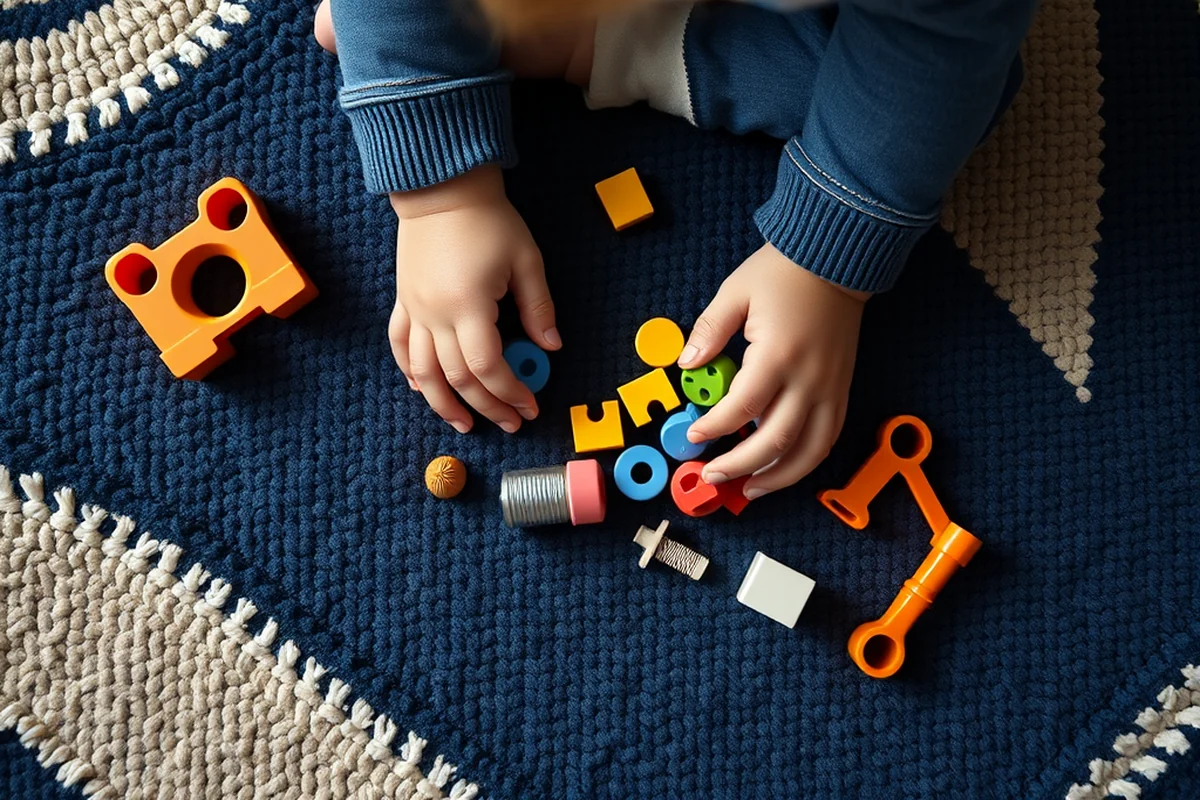
After a few weeks of consistent screen-free living, my children began to accept the change. My 10-year-old daughter even started helping me organize the house, and my 7-year-old began reading books for fun. This phase is a sign that the transition is working and that your child is adapting to the new normal.
During this phase, I noticed that my children were more focused and less irritable. They had more energy and seemed more engaged in daily activities. It was a huge relief to see the change in their behavior and attitude.
This phase can take a few months, but it’s worth the effort. I found that once my children accepted the screen-free lifestyle, they were more creative, more independent, and more connected to their family.
Related: Screen free activities phases checklist
Phase 5: The Maintenance Phase
After several months of screen-free living, I realized that the real challenge wasn’t getting rid of screens — it was keeping the new habits in place. This phase is about consistency, reinforcement, and making sure that screen-free living becomes a part of daily life.
I found that the key to the maintenance phase was to keep the activities fresh and varied. I introduced new games, books, and projects every few weeks to keep my children interested. It also helped to involve them in the planning process, so they felt like they had a say in what we did.
This phase is ongoing, but it’s the most rewarding. I’ve seen my children become more creative, more independent, and more connected to their family. It’s a long-term investment in their development and well-being.
🌱 Gentle Transition
Gradually reducing screen time over weeks, with small changes and lots of support.
⚡ Fast-Track Shift
A sudden, full-screen-free switch with a clear plan and plenty of alternative activities.
✈️ Travel/Out-of-Home
Screen-free strategies for on-the-go families, with portable activities and low-tech options.
👨👩👧👦 Multiples & Siblings
Managing screen-free living with multiple children, using group activities and shared interests.
🔄 Regression Reset
Reintroducing screen-free routines when a child or family slips back into old habits.
| The mistake | Why it happens | The fix |
|---|---|---|
| Giving in to every request for screen time. | This can undo all your progress and make it harder for your child to adjust to the new routine. | Set firm boundaries and be consistent with the rules. Use timers and visual schedules to help your child stay on track. |
| Expecting immediate results. | Adjusting to screen-free living takes time, and expecting instant results can lead to frustration and burnout. | Be patient and celebrate small victories. Progress is often gradual, and it’s important to stay positive. |
| Not involving your child in the process. | If your child feels like they have no say in the process, they may resist the change more strongly. | Involve your child in the planning and decision-making. Let them choose activities and help set rules. |
Related: Screen free activities troubleshooting phases step by step
Screen Free Activities Troubleshooting Phases Guide
Related: Easy screen free activities troubleshooting
Phase 6: The Reinvention Phase
This phase involves adapting screen-free activities as your child grows, ensuring they remain engaging and developmentally appropriate.
By the time your child reaches the age of 8 or 9, their interests begin to shift dramatically. What once worked as a creative outlet may now feel outdated or unstimulating. I noticed this with my son when he transitioned from building with blocks to expressing himself through art and storytelling. During this phase, it's essential to reinvent your approach by introducing new materials, themes, and collaborative projects that align with their evolving identity and cognitive abilities.
It’s not uncommon for parents to feel frustrated during this phase, especially if they’re used to a certain routine. I had to let go of my idea of “perfect” activities and instead focus on flexibility. One strategy I found effective was involving my child in the planning process—asking them what they wanted to create or explore next. This not only made them feel heard but also kept the activities relevant and exciting for them.
To help navigate this phase, I recommend setting aside time each month to evaluate and adjust the types of screen-free activities you're offering. This could mean incorporating more nature-based play, experimenting with new crafts, or even involving other family members in the process. During this phase, the key is to remain open-minded and adaptable, ensuring your child’s screen-free world continues to grow with them.
Phase 7: The Advocacy Phase
In this phase, families become champions for screen-free living, sharing their journey and inspiring others.
During the Advocacy Phase, parents often find themselves naturally stepping into the role of advocates for screen-free living. This might involve sharing stories on social media, participating in local parenting groups, or even giving talks at schools. I remember when my family started a weekly playdate with other families committed to screen-free play—it not only deepened our community ties but also helped us stay motivated. This phase is marked by a shift from personal commitment to collective action, which can be incredibly rewarding.
This phase also brings challenges, such as encountering resistance from others who are not ready to embrace screen-free living. I’ve had moments where my children would proudly tell their classmates about our screen-free lifestyle, only to be met with confusion or even mockery. These situations can be tough but also provide opportunities for education and patience. It’s crucial to approach these interactions with calmness and confidence, using personal experiences to demonstrate the benefits rather than pushing others into change.
Another key aspect of this phase is the ability to innovate and find new ways to keep screen-free activities engaging and relevant. I’ve started creating DIY kits with friends, such as nature scavenger hunts or simple board games made from recycled materials. These efforts not only reinforce our commitment but also provide tangible tools for other families who are just beginning their screen-free journey. This phase is about empowerment, both for parents and children, as it reinforces the idea that screen-free living is not only possible but also deeply enriching.
Common Questions
How do I handle pushback from my child when I remove screens?
What if my child refuses to participate in screen-free activities?
How long does it take for a child to adjust to screen-free living?
Can screen-free living affect my child’s social skills?
References
- http://wje.sciedupress.com World Journal of Education Vol. 8, No. 1; 2018 (files.eric.ed.gov)
- Delayed Sleep Phase Syndrome (DSPS): Symptoms & Treatment (my.clevelandclinic.org)
Cite this guide
Screenlesshome (2026). Screen Free Activities Troubleshooting Phases Guide. https://screenlesshome.com/screen-free-activities-troubleshooting-phases-guide/
Feel free to cite or share this guide.