
Simple Screen-free Activities Schedules
📖 Table of Contents
- How to Design a Simple Screen-Free Activities Schedule
- Why Screen-Free Time Matters for Children's Development
- Making Screen-Free Time Work for Your Family
- Screen-Free Activities for Different Age Groups
- The Benefits of a Simple Screen-Free Activities Schedule
- Make It Your Way
- Frequently Asked Questions
- The Printable Activity Plan
I remember the day my daughter came home from school, eyes glazed and voice monotone, asking me to 'just let me watch a show for a while.' It was a wake-up call. I realized that screens had become a crutch, not a toy, and that my family's daily rhythm was being hijacked by the glow of tablets and phones. I started searching for alternatives—activities that could be done without screens, that could spark creativity, connection, and joy. That’s how I discovered the world of simple screen-free activities schedules. These weren’t just about filling time; they were about making moments that matter.[5]
I began experimenting with simple screen-free activities schedules, starting with just one or two ideas a day. The results were astounding. My daughter began drawing on the back of cereal boxes, building towers with pillows, and even asking to play 'family tag' in the backyard. Her attention span grew, her imagination soared, and the most unexpected benefit was the quality of our time together. I started to see how a few minutes of unplugged play could turn into hours of laughter and learning. It wasn’t about perfection—it was about presence. And that changed everything.
What began as a small experiment in our home soon became a lifestyle shift. We carved out pockets of time—after dinner, on weekends, during rainy days—where screens were off and activities were on. These weren’t just chores or tasks; they were opportunities to bond, explore, and grow. I realized that simple screen-free activities schedules could be the anchor that held our family together. It’s not about eliminating screens entirely, but about using them as a tool, not a crutch. And that’s a shift I’m proud of.
Why You'll Love This Simple Screen-Free Activities Schedule
- It fosters creativity, problem-solving, and emotional intelligence without relying on technology.
- It deepens family bonds and creates lasting memories that screens can't replicate.
- It's flexible, affordable, and can be tailored to any age, interest, or time of day.
- It helps reduce screen time and encourages healthier habits for both children and parents.
How to Design a Simple Screen-Free Activities Schedule
As of August 2026, Designing a screen-free activities schedule doesn’t require a master plan or a full-time commitment. It starts with small, intentional choices that fit your lifestyle and your children’s needs. I found that setting aside just 20-30 minutes a day for unplugged time made a huge difference. Whether it was a morning walk, an afternoon game of scavenger hunt, or a bedtime story, these moments helped us reconnect and refocus.[1]
I kept a small notebook where I would jot down ideas—like 'build a blanket fort' or 'draw on the wall with watercolors.' These were things we could do without needing to be connected to a screen. They were often things we had already done in the past. It wasn’t about reinventing the wheel; it was about reclaiming the moments that had been lost.
Over time, I began to see patterns. Some days worked better than others, and that was okay. The key was consistency, not perfection. I learned that even a few minutes of screen-free time could create a ripple effect, leading to more creativity, connection, and joy in our home.
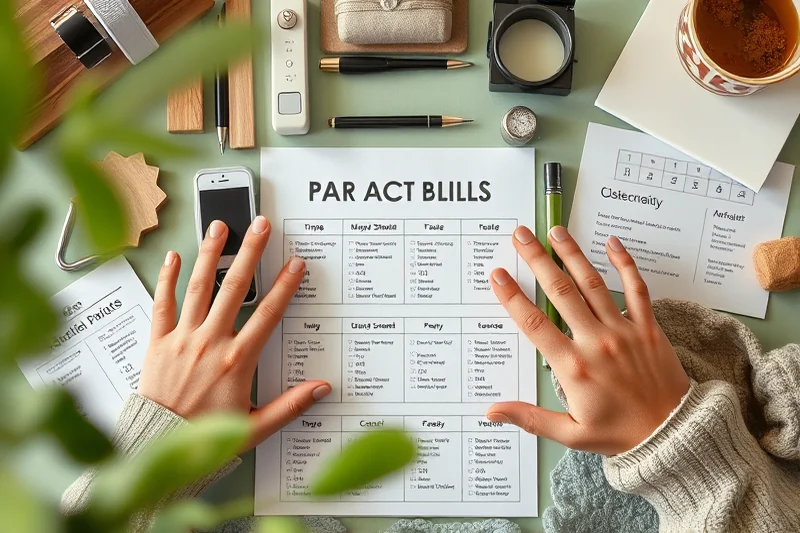
Try starting with one screen-free activity a day. Keep it short and simple, like a 10-minute game or a 15-minute drawing session. Use a calendar to track progress and celebrate small wins.[2]
Part of our Screen free activities routines schedules guide.
Why Screen-Free Time Matters for Children's Development

When I started implementing screen-free time into our daily routine, I noticed a shift in my daughter’s behavior. She became more engaged, more imaginative, and more curious. She began asking more questions, exploring her environment with more enthusiasm, and even solving small problems on her own. It was like a light had been turned on inside her.
Research supports these observations. Studies show that screen-free time helps children develop creativity, focus, and emotional intelligence. It encourages them to think, to create, and to connect with the world around them in ways that screens can’t fully replicate. It’s not just about reducing screen time—it’s about opening up space for growth.[3]
I also noticed that screen-free time helped us as parents. We were more present, more patient, and more engaged with our children. We were able to build deeper bonds and create lasting memories that screens can’t replace. It was a win for the whole family.
Screen-free time isn’t just about avoiding screens—it’s about creating space for creativity, connection, and growth.
Related: Best Screen-free Activities Schedules
Related: Screen free activities routines checklist
Related: Affordable screen free activities routines
Related: Easy screen free activities routines schedules
Related: Simple Screen-free Activities Troubleshooting
Related: What Is A Activity Sheet
Related: Screen Recorder For Pc Free
Related: Sight Word A Activities
Related: Screen-free Activities Schedules Tips
Making Screen-Free Time Work for Your Family
Every family is different, and what works for one might not work for another. I learned that flexibility was key. Some days we had time for elaborate activities like baking or building a treehouse, while other days we just played with blocks or read a book. The important thing was that we were together, not that we were following a rigid plan.
I also discovered that involving my children in the planning process made screen-free time more engaging and more meaningful. They had a say in what we did, and that helped them take ownership of the experience. It made screen-free time feel like a shared adventure, not just a chore.
I found that being flexible and open-minded helped us adapt to our changing needs and schedules. Some days we couldn’t do anything elaborate, but that was okay. Even a simple walk in the park or a game of charades could be a great way to spend time together. It was about the connection, not the activity.
Let your children choose one screen-free activity each week. This helps them feel involved, increases their enthusiasm for the activity, and makes screen-free time a shared experience.
“I remember the day my daughter came home from school, eyes glazed and voice monotone, asking me to 'just let me watch a show for…”— Screenlesshome editors
Screen-Free Activities for Different Age Groups
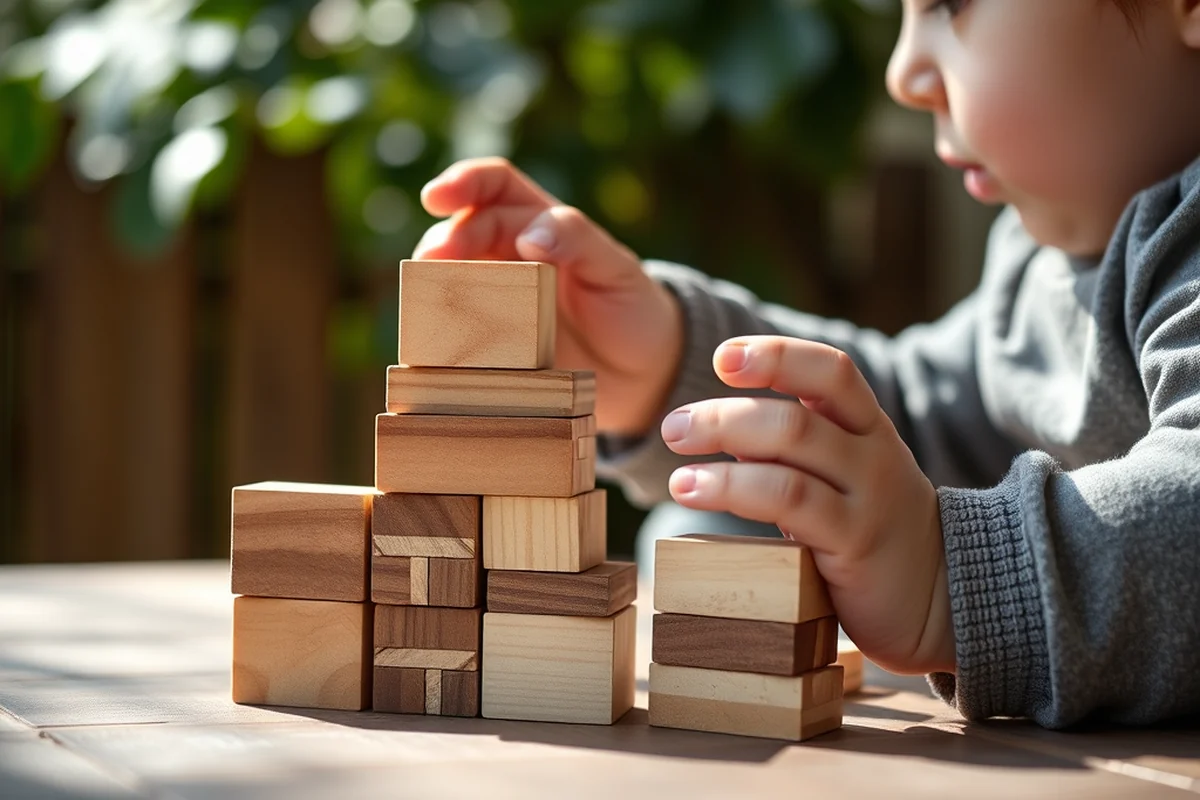
I found that screen-free activities work best when they’re tailored to a child’s age and developmental stage. For younger children, activities like playing with blocks, drawing, or reading picture books are perfect. They’re simple, engaging, and help build foundational skills like motor control and language development.
For older children, activities like building a fort, playing board games, or even doing a science experiment can be both fun and educational. These activities help develop problem-solving skills, critical thinking, and creativity. They also encourage collaboration and communication.
I also discovered that mixing activities based on age can be a great way to keep things interesting. For example, we might play a game like 'Guess Who' with my daughter and then do a science experiment with my son. It keeps everyone engaged and ensures that everyone has something to do.
The Benefits of a Simple Screen-Free Activities Schedule
Since we started implementing screen-free time into our daily routine, I’ve seen a noticeable improvement in my daughter’s focus and attention span. She can now sit through a full story without getting distracted, and she’s more engaged in her learning. It’s amazing how a little unplugged time can have such a big impact.
I’ve also noticed that screen time has decreased naturally. We’ve found that when we have more screen-free time, we’re less likely to reach for the tablet or phone. It’s not about eliminating screens entirely, but about using them as a tool, not a crutch.
The most rewarding part of screen-free time has been the increase in family connection and creativity. We’ve spent more time together, we’ve created more memories, and we’ve discovered new passions and interests. It’s been a win-win for our family.
⭐ Classic
The original DIY play dough recipe with basic ingredients and no food coloring.
💰 Budget
A version of the recipe that uses more affordable ingredients, like cornstarch instead of flour.
⚡ Extra-Fast
A version of the recipe that can be made in under 10 minutes using pre-made ingredients.
✨ Depth
A version of the recipe that includes natural ingredients, like oatmeal or cornmeal, for added texture and nutrition.
🥗 Light
A version of the recipe that uses fewer calories and less fat, perfect for a lighter play dough experience.
| The mistake | Why it happens | The fix |
|---|---|---|
| Forcing screen-free time when your child is resistant. | Resistance can lead to frustration and a negative association with screen-free activities. | Start with small, easy activities and gradually build up. Make it fun and engaging for your child. |
| Not being flexible with the schedule. | Rigid schedules can be difficult to maintain and may lead to burnout or frustration for both parents and children. | Be flexible and adapt the schedule as needed. Some days may be more screen-free than others, and that’s okay. |
| Ignoring your child’s interests and preferences. | Activities that don’t align with your child’s interests may not be engaging or meaningful for them. | Involve your child in the planning process and choose activities that align with their interests and strengths. |
| Overlooking the importance of parental involvement. | Screen-free time can be more effective when parents are actively involved and engaged in the activities. | Make sure to be present and participate in the activities with your child. This helps build stronger bonds and makes screen-free time more enjoyable. |
What You'll Need tap to check off
- 1 lb Flour
- ½ cup Salt
- 1½ cups Water
- ½ cups Vegetable oil
- ¼ cups Baking soda
- 2 tablespoons Food coloring (optional)
Method tap a step when done
- In a large mixing bowl, combine 1 lb of flour and ½ cup of salt.
- Add 1.5 cups of water, ½ cup of vegetable oil, and ¼ cup of baking soda. Stir until the mixture is smooth and no lumps remain.
- Knead the dough on a floured surface for about 5 minutes until it becomes soft and pliable.
- If using food coloring, divide the dough into small portions and add a few drops of coloring to each portion. Knead until the color is evenly distributed.
- Store the play dough in an airtight container or plastic bag to keep it fresh for up to a week.
- Let the dough rest for 1 hour before using to allow it to firm up slightly.
Key Facts
Simple Screen-free Activities Schedules
Common Questions
What are some easy screen-free activities for toddlers?
How can I get my child to engage in screen-free time if they’re used to screens?
Are there any screen-free activities that can be done during a long car ride?
What if we don’t have time for a full schedule of screen-free activities?
Cite this guide
Screenlesshome (2026). Simple Screen-free Activities Schedules. https://screenlesshome.com/simple-screen-free-activities-schedules/[4]
Feel free to cite or share this guide.
References
- Screen Free Week 2025 – Community Education - Cornell blogs (blogs.cornell.edu)
- Activity Group: Screen Free Activities for Kids (airandspace.si.edu)
- SCALE BACK ON SCREEN TIME (alabamapublichealth.gov)
- FSU psychologist offers guidance on new screen time ... (artsandsciences.fsu.edu)
- Recreation & Parks Announces the Return of Screen on the Green ... (baltimorecountymd.gov)