
Best Screen Free Activities Routines Schedules
📖 Table of Contents
When my son was two, we had a breakthrough moment: after a week of screen-free days, he began to ask for ‘more pretend’ instead of ‘more TV.’ It was a small shift. It opened my eyes to how much our reliance on screens was shaping our family’s rhythm. I began experimenting with routines that replaced screen time with activities that felt alive, messy, and full of purpose. What followed was a transformation that didn’t just change our days—it changed our relationship with time itself.
The key was not to eliminate screens entirely, but to replace them with routines that offered something more: creativity, connection, and a sense of accomplishment. I discovered that when we replaced passive screen time with active, screen-free routines, our home became a place where laughter and learning flowed naturally. There was no more ‘screen time’ as a default—it became something we did only when we had to, and even then, we set strict limits.
I now structure our days around screen-free activities that build skills, spark curiosity, and keep our family moving. Whether we’re building forts, reading stories, or playing music together, these routines have become the heartbeat of our home. They’re not just alternatives to screens—they’re the foundation of our family’s daily life. And if you’re looking for a way to do the same, you’re in the right place.
Why You'll Love This Screen-Free Life
- Your child will become more curious and engaged with the world around them.
- You’ll experience more meaningful, unstructured time with your family.
- You’ll notice a shift in your child’s focus, attention, and emotional regulation.
- Your home will feel calmer, more intentional, and more alive.
How We Built a Screen-Free Morning Routine
As of September 2026, each morning, we start with a 10-minute stretching and movement session, followed by a 15-minute ‘brain boost’ activity. This could be reading aloud, playing a memory game, or doing a simple art project. We keep it light but focused to get everyone’s brain in gear.[1]
After that, we spend 10 minutes preparing a healthy breakfast together. It’s not a big production—we use pre-made whole-grain toast or frozen waffles—but the act of cooking together is a small way to bond early in the day.[2]
This routine has made our mornings feel more intentional and less rushed. Even on busy days, we still carve out time for these rituals, and it’s made a noticeable difference in our mood and energy.
Invest in a few durable, washable art supplies. I bought a set of washable markers, a small set of crayons, and a roll of paper. It cost about $20, but it’s been worth it for the creative time it’s bought us.[3]
Part of our Screen free activities routines schedules guide.
Screen-Free Afternoons: A Breakdown of Activities

We’ve found that afternoons work best when they’re open-ended. We might spend a few hours building with blocks or playing pretend, or we might explore a nature walk or a scavenger hunt. The key is to let the kids choose what they want to do, and to stay flexible.
One of our favorite afternoons was when we built a ‘library’ from cardboard boxes, filled with books and fairy lights. It took about an hour to set up, but the kids spent the entire day pretending to be librarians, sorting books, and telling stories to each other. It was a rare, unstructured day that left everyone feeling connected and content.
These afternoons aren’t about productivity—they’re about presence. We’re not trying to ‘teach’ or ‘fill’ the time, we’re simply being there, and that makes all the difference.
“Let the kids lead the way—sometimes the most creative moments come from the places we least expect.”
Related: Budget screen free activities schedules
Screen-Free Evenings: Quiet Time and Quality Moments
Every evening, we do a ‘quiet hour’ where all screens are off and we do something low-key together. This could be reading, playing a board game, or even just talking over a cup of tea. It’s a time to decompress and reconnect.
One of our favorite quiet hour traditions is the ‘story swap’—we take turns telling stories, and the kids love it. Some nights we do a ‘memory’ game, where we share our favorite moments of the day. It’s simple, but it builds trust and understanding.
This time has helped us become more present with our kids and with each other. It’s not about filling the hour with something—it’s about creating a space where we can truly be together.
Create a ‘quiet hour’ rule that everyone agrees on. I set a rule that no screens are allowed after 7:30 PM, and it’s been a game-changer for our family’s mood and communication.
“When my son was two, we had a breakthrough moment: after a week of screen-free days, he began to ask for ‘more pretend’ instead of…”— Screenlesshome editors
Related: What is a daily activity
How to Make Screen-Free Routines Work for You
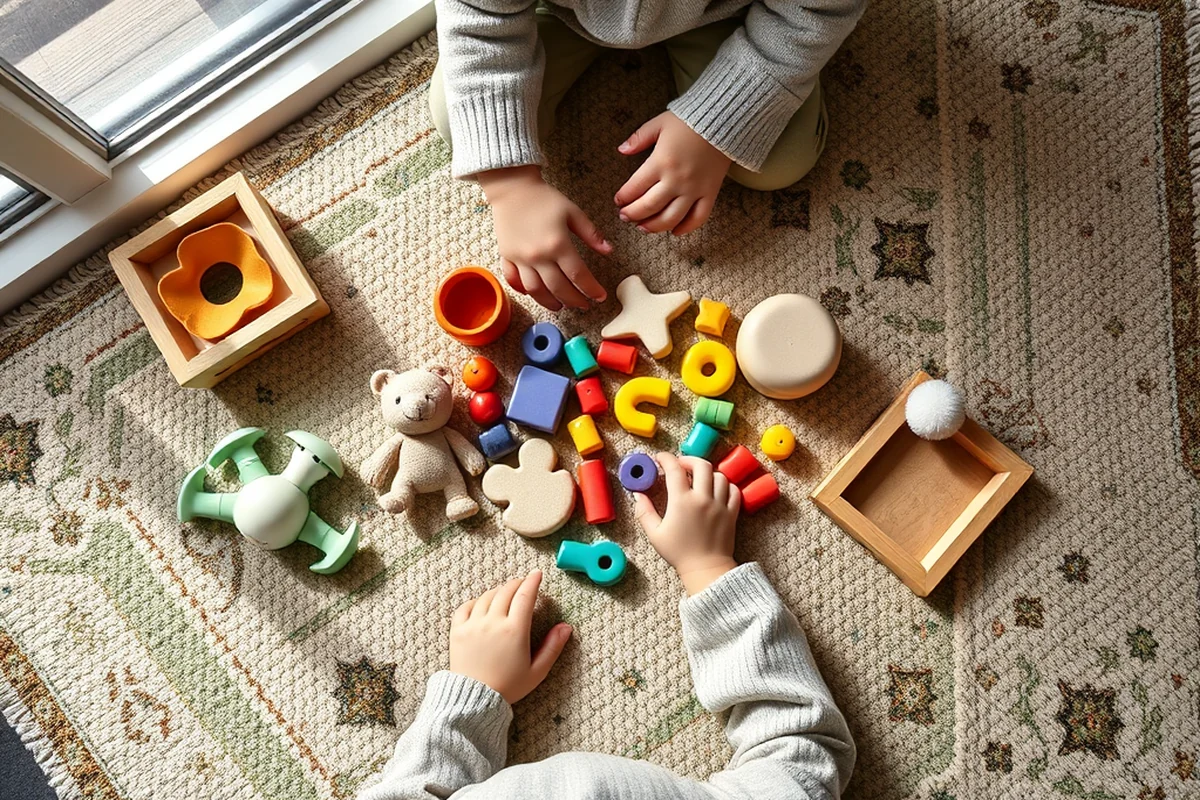
We’ve found that the best screen-free routines are the ones that feel natural and not forced. It’s not about eliminating screens entirely, but about finding a balance that works for your family. Some days we use screens for a few minutes, and other days we go completely screen-free.
We’ve also found that screen-free routines are more sustainable when they’re built around your family’s interests and strengths. If your kids love art, build a routine around that. If they love music, build a routine around that. It makes the time feel more meaningful and more enjoyable.
The goal is not to be perfect—it’s to be present. And when you find the right balance, it’s a win for your whole family.
Related: Affordable screen free activities routines schedules
How to Handle the ‘Screen-Free’ Pushback
We’ve found that kids often push back because they’re used to screens as a default. When we first tried to replace screen time with other activities, it was a struggle. But with time and patience, they began to see the value in the alternative.
We’ve also found that it’s helpful to let kids have a say in what they do. We give them a few options each day and let them choose. This helps them feel more in control and more invested in the activity.
The most important thing is to stay consistent. Screen-free time doesn’t have to be perfect—it just has to be real. And with time, your kids will come around.
🧶 Gentle Screen-Free Routine
A low-pressure, flexible approach that works best for families who are new to screen-free living.
⚡ Fast-Track Screen-Free Routine
A streamlined approach that fits into even the busiest of schedules, perfect for working parents.
🧳 Travel Screen-Free Routine
A portable, on-the-go routine that keeps kids engaged and happy even when you're away from home.
👶 Screen-Free Routine for Multiples
A flexible approach that works for families with multiple children, balancing individual and group activities.
🔄 Screen-Free Reset Routine
A weekly reset that helps families re-establish screen-free habits and re-engage with each other.
| The mistake | Why it happens | The fix |
|---|---|---|
| Trying to do too much at once | This can lead to frustration and burnout, both for you and your kids. | Start small and build up. Focus on one or two screen-free activities at a time and see what works best for your family. |
| Being too rigid with the routine | This can make your kids feel like they’re being forced to do something they don’t want to do. | Be flexible and let your kids have a say in what they do. Screen-free time should be about connection, not control. |
| Not having a backup plan | When things don’t go as planned, it can be hard to stay on track. | Have a few backup activities ready to go. This helps you stay on course even when things don’t go as expected. |
| Letting screens slip back in too quickly | This can undo all the progress you’ve made and send the wrong message to your kids. | Set clear screen time limits and stick to them. It’s not about being perfect—it’s about being consistent. |
Related: Simple practice app
Best Screen Free Activities Routines Schedules
Related: The best free calendar app
Screen-Free Routines for Toddlers: Making the Most of Limited Attention Spans
Introducing screen-free routines for toddlers can be a challenge, especially with their naturally short attention spans. I found that incorporating short, sensory-rich activities into the day—like playing with kinetic sand, exploring nature on walks, or doing simple puzzles—helps keep them engaged without the need for screens. These activities are not only fun but also support early developmental milestones, such as fine motor skills and hand-eye coordination. I’ve found that keeping sessions to 10–15 minutes at a time helps maintain their focus and prevents overwhelm.
I also discovered that mixing active and quiet activities throughout the day helps balance their energy levels. For instance, a morning of dancing to music, followed by a quiet storytime, then a messy play session with water and toys, and ending with a short nap. This rhythm helps toddlers feel secure and understand what’s coming next. I’ve noticed that this structure leads to fewer tantrums and more cooperative behavior, which is a huge win for parents trying to avoid screen-based distractions.
Another strategy I’ve used is turning everyday moments into learning opportunities. For example, counting steps while walking, naming colors while playing with blocks, or identifying shapes during a snack time. These small moments add up and keep toddlers mentally stimulated without any screen time. I’ve also found that involving them in simple household tasks, like sorting laundry or wiping surfaces, helps them feel included and gives them a sense of purpose. It’s a win-win for engagement and development.
Screen-Free Routines for School-Aged Kids: Balancing Learning and Fun
For school-age children, screen-free routines need to be more structured and purposeful, but still fun. I've found that combining academic skills with hands-on play helps keep their interest. One of the activities I’ve used is a 'math scavenger hunt,' where we look for numbers around the house, count objects, and solve simple problems. It’s a great way to reinforce learning without turning it into a chore. I also use cooking as a way to teach fractions, measurements, and following instructions—all while having fun in the kitchen.
Another strategy I've employed is outdoor learning days, where we go to the park and explore nature while practicing science skills. We collect leaves, rocks, and bugs to study later. I’ve found that these activities are not only educational but also help kids develop a love for learning and curiosity about the world. Plus, being outdoors for a few hours each day helps them stay active and reduces screen time naturally. I’ve noticed that after these days, they're more focused during school and homework time.
I also make sure to include creative activities like drawing, painting, and building with blocks or LEGO. These activities help develop problem-solving skills, creativity, and focus. I try to schedule these creative times when my kids are most alert, usually in the afternoon, and I find that they are more willing to participate and stay engaged for longer periods. I also encourage them to set their own goals for these activities, like building a specific structure or completing a drawing, which boosts their sense of accomplishment and independence.
Common Questions
How can I keep my kids entertained without screens?
What if my kids are resistant to screen-free time?
How do I handle screen-free time when we’re out of the house?
How can I make screen-free time part of our daily routine?
References
- Build New Routines | AFIRM (afirm.fpg.unc.edu)
- Creating a Self-Care Routine After College Life (alumni.capella.edu)
- Visual Supports for Routines, Schedules, and Transitions (bringingoutthebest.uncg.edu)
Cite this guide
Screenlesshome (2026). Best Screen Free Activities Routines Schedules. https://screenlesshome.com/best-screen-free-activities-routines-schedules/
Feel free to cite or share this guide.